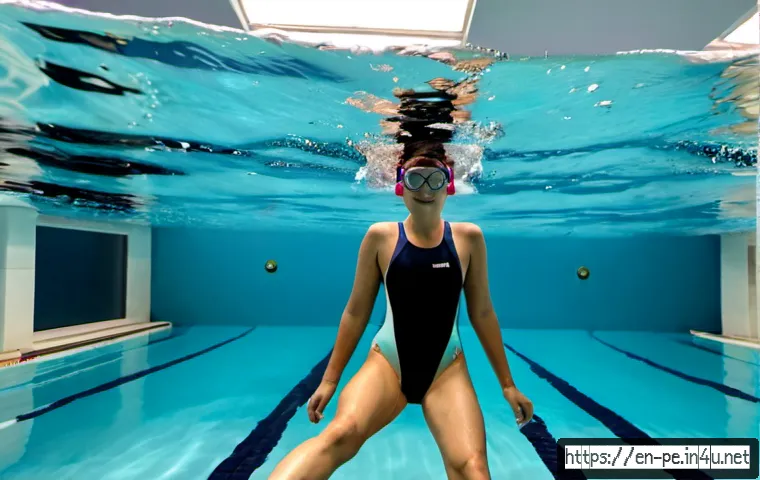
Efficient swimming starts with body balance, calm breathing, and relaxed movement—not speed or hard kicking. For most new or returning swimmers, short supervised practice sessions and simple drills build a safer foundation before longer lap swimming.
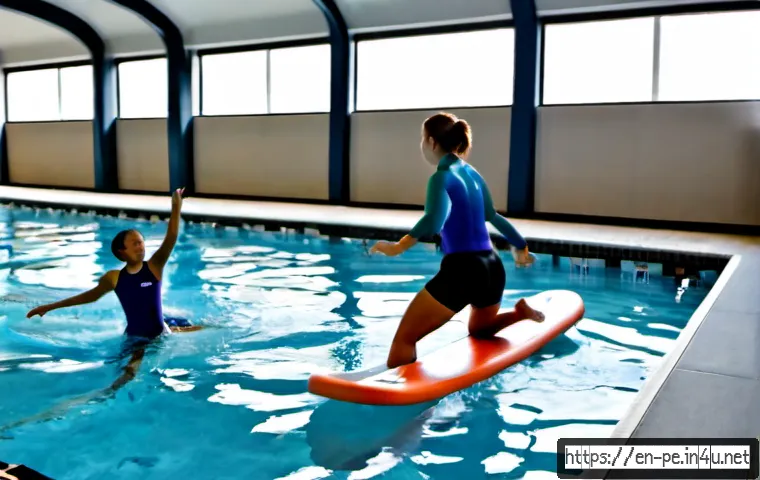
Group swim lessons can be a practical choice for shared instruction, while private coaching may be worth considering when you need personal feedback or feel stuck.
A comfortable pair of goggles and access to a suitable pool are usually more useful at the start than advanced training equipment. Choose your training path based on water confidence, feedback needs, schedule, and the total cost you can comfortably maintain.
At a Glance
- Master breathing and balance first: A horizontal body position and gradual underwater exhale can make swimming feel easier.
- Use short, repeatable drills: Practice floating, kicking, and face-in-water breathing before chasing distance or speed.
- Choose coaching by feedback needs: Solo practice suits confident beginners, while group or private swimming lessons can add structure and correction.
| Option | Feedback Level | Flexibility | Cost Consideration | Best Fit |
|---|---|---|---|---|
| Self-Guided Pool Practice | Low | High | Usually limited to pool access or membership costs | Swimmers who are comfortable in water and can practice basic drills safely |
| Group Swim Lessons | Shared instruction | Set class schedule | Compare lesson packages with pool membership requirements | Beginners who want structure and a social learning setting |
| Private Swimming Lessons | Individualized | Often more schedule-focused | Typically requires a higher coaching budget | Nervous swimmers or people needing targeted technique feedback |
| Essential Swim Gear | Not applicable | Use when needed | Start with comfortable basics before advanced equipment | Anyone practicing face-in-water drills, kicking, or regular pool sessions |
Start With Balance, Breathing, and Safety
The quickest way to make swimming feel less exhausting is to improve balance and breathing before trying to swim faster. When the body stays closer to horizontal, the legs are less likely to sink. Controlled breathing also reduces the urge to lift the head and fight the water.
The Three Skills to Practice Before Worrying About Speed
First, practice a relaxed float in a shallow, supervised pool area. Second, learn to place your face in the water while maintaining a calm, gradual exhale. Third, practice a long body line: arms extended, head neutral, and hips close to the surface. These basics support freestyle technique and make later stroke drills more productive.
A Quick Pre-Swim Safety Check for Beginners
Choose a pool setting where you can stand comfortably and where supervision is available. Check that your goggles seal comfortably without pulling the strap excessively tight. If you have medical limitations, are unsure about beginning a new exercise routine, or do not feel secure in the water, confirm the appropriate next step before training alone.
Top Summary: What to Focus on in Your First Sessions
Keep the goal simple: relax, exhale underwater, and stay long in the water. Do not judge progress only by the number of lengths completed. A short session with calm breathing and consistent body position is more useful than repeatedly struggling through poor form.
Choose the Right Learning Path: Solo Practice, Group Lessons, or Private Coaching
The best-value learning option depends on how safely you can practice and how much feedback you need. There is no single right choice for every adult swimmer. A confident beginner may progress with basic pool access and a consistent drill routine, while another swimmer may save time by getting corrections early.
Comparison Table: Cost, Feedback, Flexibility, and Best-Fit Swimmer
Use the table above as a starting point rather than assuming the lowest-cost option is always best. Self-guided practice offers flexibility, but it can be difficult to notice a lifted head, sinking hips, or tense shoulders without outside feedback. Group lessons provide shared instruction, while private swim coaching allows the instructor to focus more directly on your breathing, body position, and stroke timing.
When Paying for Lessons Provides Better Value Than Repeating Drills Alone
Swimming lessons may offer better value when fear, inconsistent breathing, or repeated fatigue prevents you from practicing effectively. They can also be useful if you keep repeating the same mistake without knowing why it happens. If you can already float, breathe calmly, and use a supervised pool safely, solo practice may be enough for early skill building.
What to Check Before Booking a Pool Program or Instructor
Before choosing a swim lesson package, check the class level, pool depth, session schedule, and whether the program is designed for adult beginners. Ask how feedback is given and whether the format is group-based or private. Also review the full monthly cost, including pool membership or access requirements, rather than comparing coaching fees alone.
Build Core Technique With Simple Pool Drills
Simple drills work best when they are brief, calm, and repeated with attention to form. Start in water where you feel secure. Increase total training volume gradually so fatigue does not turn a technique session into a survival session.
Floating and Streamline Position
Practice floating with your face in the water, then stand up when needed. For a basic streamline, extend your arms forward and keep your head in a neutral position rather than looking ahead. The aim is not to hold a perfect shape for a long time; it is to notice how a longer body line helps the hips stay closer to the surface.
Breathing Drills for Freestyle Confidence
Hold the pool wall or stand in shallow water, place your face in the water, and exhale gradually. Then lift or turn your face to breathe without rushing. Many beginners hold their breath underwater, which can make the next inhale feel urgent. A steady exhale can make the timing of that next breath easier.
Kicking, Arm Timing, and Relaxed Propulsion
A kickboard can help isolate kicking practice, but use it with care. Holding the board in a way that keeps the head too high may encourage the hips to drop. Keep kicking controlled rather than forceful, and avoid treating the legs as the only source of propulsion. Relaxed shoulders and an unhurried rhythm usually support better stroke practice than aggressive effort.
How to Structure a 20- to 30-Minute Beginner Session
Begin with a few minutes of standing, floating, and underwater exhale practice. Move to short kicking or streamline drills, then try a small number of short swimming efforts with plenty of rest. Finish by repeating the drill that felt most controlled. If your form falls apart, reduce the distance or pause instead of forcing more lengths.
Avoid the Mistakes That Make Swimming Harder
Most beginner fatigue comes from fighting the water rather than moving through it. Small technique issues can add up quickly, especially when you are learning to coordinate breathing, kicking, and arm movement at the same time.
Lifting the Head and Dropping the Hips
Looking forward to breathe often causes the hips and legs to sink. That position creates more resistance and makes each stroke feel heavier. Keep the head closer to neutral and let your body remain long in the water whenever possible.
Holding the Breath or Rushing Each Inhale
Holding your breath can lead to rushed breathing and tension. Instead, practice gradual exhalation underwater so the inhale can be shorter and calmer. If you feel panicked or cannot regain a relaxed rhythm, stop, stand in a safe area, and return to a simpler drill.
Over-Kicking, Tense Shoulders, and Training Through Poor Form
Hard kicking may feel like extra effort, but it can increase fatigue without fixing balance. Tight shoulders can also make arm recovery and breathing harder. Avoid turning every practice into an endurance test. Build training volume gradually, and prioritize a few controlled repeats over long, exhausting attempts.
When to Pause and Ask a Qualified Instructor for Help

Ask for qualified instruction if you are unable to practice safely, remain highly anxious in the water, or repeatedly lose control of your breathing. An instructor may also help when you cannot identify why your legs sink, why your timing feels rushed, or why lap swimming remains uncomfortable despite regular practice.
Adapt Training to Your Goal and Starting Point
Your starting point should determine the drill, pool setting, and learning format. A nervous beginner does not need the same session as a fitness swimmer preparing for regular lap lanes.
For Water-Anxious Beginners
Stay in a shallow, supervised area and keep sessions focused on comfort: standing, floating, putting your face in the water, and gradual exhaling. Group lessons can provide structure, while private lessons may be worth considering if individualized attention would make the process feel more manageable.
For Adults Returning After a Long Break
Return to the basics even if you swam years ago. Rebuild body position and breathing before assuming old endurance will return. Short sessions can help you assess how your technique feels without pushing through fatigue.
For Fitness Swimmers Building Endurance
Use technique as the foundation for endurance. Add volume gradually and watch for signs that your body position, breathing pattern, or kick becomes less controlled. If longer sets repeatedly cause poor form, shorten the repeats and restore quality before adding more distance.
For Swimmers Preparing to Join Lap Lanes or a Masters Program
Focus on swimming predictably and comfortably in a lane. You should be able to manage breathing without frequent stops and maintain awareness of others sharing the pool. A coached session can be useful if you want specific feedback before moving into a more structured lap-swim environment.
Selection Criteria and Comparison Summary
Choose your next step based on safety needs, feedback level, schedule, and total monthly cost. Consider these points before paying for a pool membership, a lesson package, or private coaching:
- Safety and confidence: Can you practice calmly in a shallow, supervised area?
- Feedback: Do you know what is causing your breathing or body-position problems?
- Schedule: Will fixed group lesson times help you stay consistent, or do you need flexible pool access?
- Total cost: Compare lesson fees, pool access, membership terms, and basic gear needs together.
- Equipment priority: Start with comfortable goggles and only add items such as a kickboard when they support a specific drill.
If you are comparing swim programs, review the official class details, pool rules, membership conditions, and instructor information on the relevant provider page before booking.
Best Choice if Your Priority Is Safety and Confidence
A supervised pool area and an appropriate beginner lesson format are often the strongest starting points. Select a setting where you can stand, pause, and reset without pressure to complete long lengths.
Best Choice if Your Priority Is Technique Feedback
Private coaching provides the most individualized feedback, while group swim lessons can still offer useful guidance for common beginner issues. The best fit depends on whether shared instruction addresses your specific needs.
Best Choice if Your Priority Is Lower Monthly Cost
Self-guided practice with basic gear may have the lowest ongoing cost if you already feel safe in the water and have reliable pool access. Keep in mind that lower cost is only useful if you can practice consistently and maintain sound technique.
Essential Gear Checklist Before Spending on Advanced Equipment
Start with comfortable goggles that seal without excessive strap tension. Choose swimwear that allows easy movement, and consider a kickboard only if you will use it for controlled kicking drills. Advanced training equipment is not necessary for building early confidence, breathing control, and body position.
In Closing
Swimming becomes more efficient when you stop trying to overpower the water. Build your first sessions around balance, gradual exhaling, and relaxed movement. Use lessons or coaching when safety concerns or missing feedback make independent practice less effective. The most sustainable plan is the one you can repeat calmly and consistently.
Useful Things to Know
Pool access matters as much as equipment. A suitable, supervised pool space can make beginner practice safer and easier to repeat.
Goggle comfort is practical, not cosmetic. A secure but comfortable seal can make face-in-water drills feel less intimidating.
A kickboard is a tool, not a shortcut. Use it to isolate kicking, but avoid raising your head so high that your hips drop.
Important Considerations
Progress timelines vary based on water confidence, practice frequency, coaching, and access to a supervised pool. Local lesson pricing, pool membership fees, instructor qualifications, and class availability should be checked directly with the relevant provider. If you have medical limitations or are unsure whether you need clearance before starting exercise, confirm that separately before beginning training.
Frequently Asked Questions
Q1. Are private swimming lessons worth the cost for an adult beginner?
A1. Private lessons may be worth the cost if you need individualized feedback, feel nervous in the water, or keep repeating the same breathing or body-position problems. Group lessons may be a better fit when shared instruction and a set schedule are enough.
Q2. What basic swimming equipment should I buy before starting training?
A2. Start with comfortable goggles that seal well without excessive strap tension and swimwear that allows easy movement. A kickboard can be useful for isolated kicking drills, but it is not essential for every beginner.
Q3. How many times per week should a beginner swim to improve technique safely?
A3. The right frequency depends on your confidence, recovery, schedule, and pool access. Start with manageable sessions, keep the volume gradual, and prioritize consistent technique over adding distance too quickly.