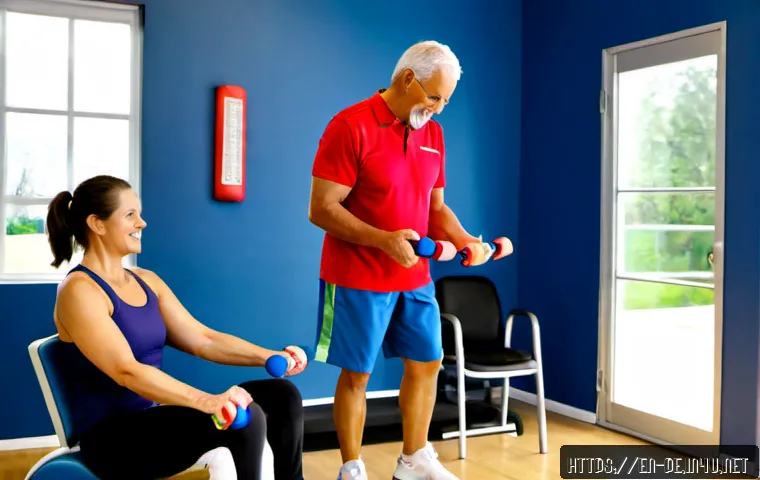
A safe senior exercise plan should match daily needs, current mobility, confidence, and available support—not copy a generic workout. A simple home routine can work for someone who moves comfortably and can exercise safely alone, while a senior fitness class, certified trainer, or supervised wellness program may be more useful when balance, pain, confidence, or consistency is a concern.
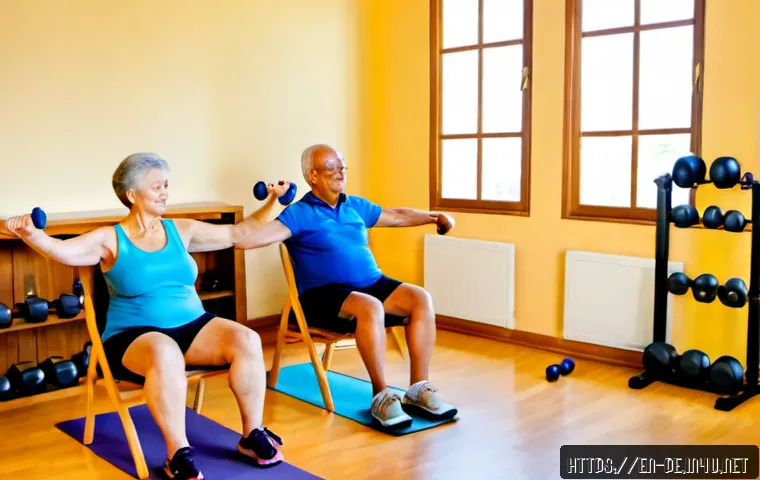
The best plan usually includes endurance, strength, balance, and flexibility in a format that feels manageable. Start with practical goals such as getting up from a chair more easily, walking comfortably, or feeling steadier at home.
Before paying for a program, compare the level of instruction, modifications, access, and ongoing commitment. Individual medical restrictions, medication effects, and fall risk should be checked with an appropriate healthcare professional when relevant.
At a Glance
- Choose the support level first: home exercise, a group class, or one-to-one supervision should fit mobility and confidence.
- Build around daily function: walking, standing, chair transfers, reaching, and balance are practical planning goals.
- Keep the plan simple: a routine that is easy to repeat is usually more useful than an overly detailed schedule.
| Program Option | May Be a Good Fit When | Value to Compare | Questions to Ask |
|---|---|---|---|
| Self-guided home routine | The person is comfortable moving independently and wants flexibility. | Low equipment needs, convenience, and repeatability. | Is there a stable chair, clear walking space, and a realistic routine? |
| Senior group exercise class | Structure, social contact, and instructor-led sessions would help motivation. | Class modifications, accessibility, location, and schedule. | Can the instructor adapt movements for different mobility levels? |
| Physical therapy-informed program | There are individual movement concerns or a need for more tailored guidance. | Individual assessment, exercise adjustments, and supervision level. | What type of professional support is offered, and what are its limits? |
| Personal training for older adults | Accountability and one-to-one coaching are priorities. | Trainer experience, session format, travel needs, and ongoing fees. | Does the trainer have experience modifying senior fitness exercises? |
Start With a Safe, Useful Weekly Movement Plan
A useful senior exercise plan starts with what the person needs to do in everyday life. Rather than focusing only on workout time, consider walking through the home, rising from a chair, carrying light items, turning safely, or maintaining confidence outdoors. The plan should feel clear enough to follow on an ordinary day, not just on a highly motivated one.
The Four Core Areas: Endurance, Strength, Balance, and Flexibility
Endurance activities can include comfortable walking or other sustained movement suited to the person. Strength work supports tasks such as standing up, lifting, and climbing steps. Balance practice focuses on steady standing, controlled weight shifts, and safe movement transitions. Flexibility can help make routine movements feel less restricted. A balanced program does not need to make every session long or difficult; it needs to include the areas that matter most.
Set Goals Based on Daily Activities, Not Just Workout Minutes
Use a goal that can be recognized in daily life. For example, a person may want to feel more secure walking to the mailbox, stand at the kitchen counter with greater comfort, or join a community activity with less worry about fatigue. These goals make it easier to choose appropriate exercises and decide whether a home plan or supervised senior fitness program offers better value.
When to Seek Individualized Guidance Before Starting
Individual guidance may be appropriate when there are concerns about falls, pain, dizziness, unusual shortness of breath, medication effects, or uncertainty about safe intensity. These signs do not identify a cause on their own, but they are reasons not to guess. A qualified healthcare professional or appropriately trained provider can help clarify what level of activity and supervision is suitable.
Compare Home Routines, Group Classes, and Professional Support
The right choice is not always the most expensive option. It is the option that provides enough support, safety, and follow-through for the person using it.
Self-Guided Plans: Lower Cost and Greater Flexibility
A self-guided routine can be practical when the exercise space is clear, instructions are easy to understand, and the person feels confident moving alone. A stable chair, comfortable footwear, and a simple walking route may be enough to begin. The main risk is choosing exercises that are too advanced or adding too many steps to remember. Written cues or a short repeatable routine can make home exercise easier to maintain.
Senior Group Exercise: Structure, Social Support, and Accessibility Questions
Senior exercise classes can provide routine, encouragement, and an opportunity to move with others. Before enrolling, check whether the class offers seated or standing options, whether the facility is accessible, and whether the pace allows for different ability levels. Transportation, parking, restroom access, and the ability to take breaks can matter as much as the class content.
One-to-One Trainers or Clinical Exercise Support: When Added Supervision May Provide Value
A certified trainer with relevant older-adult experience may provide helpful coaching, accountability, and exercise adjustments. More individualized or clinically informed support may also be worth considering when a general class does not address the person’s mobility concerns. Ask directly how the provider handles movement modifications, what credentials they hold, and when they recommend contacting a healthcare professional. Do not assume that a title alone confirms local certification, insurance, or accessibility standards.
Build Sessions That Are Easy to Follow and Adjust
A session is easier to repeat when it follows the same simple order. Consistency can reduce uncertainty and make it easier to notice whether a routine still feels appropriate.
A Simple Warm-Up, Main Activity, Balance Practice, and Cool-Down Structure
Begin with gentle movements that prepare the body for activity. Follow with a main activity such as walking or controlled strength movements. Add a short balance component only in a safe setting, with stable support available if needed. Finish with slower movement and relaxed flexibility work. The exact exercises and intensity should match the individual rather than a standard online template.
How to Progress Without Increasing Too Much Too Soon
Change one element at a time. That could mean adding a little more walking, improving control during a familiar movement, or using slightly more resistance only when the current exercise feels manageable. A fast jump in difficulty can reduce confidence and make a plan harder to continue. Steady progress is more useful than dramatic progress.
Equipment Choices: Chairs, Resistance Bands, Light Weights, and Walking Aids
Home exercise equipment should support the plan, not complicate it. A sturdy chair can be useful for seated exercise and stable support. Resistance bands and light weights may add variety for strength work when used appropriately. Walking aids should be used according to individual needs and existing guidance. Before buying fitness equipment, consider storage, grip comfort, setup difficulty, and whether it will actually be used regularly.
Prevent Common Planning Mistakes
Many exercise plans fail because they are poorly matched to the person, not because the person lacks effort. A safer plan makes room for changing energy, confidence, and daily circumstances.
Copying Workouts That Do Not Match Mobility or Confidence Levels
An online routine may look simple while still requiring more balance, joint movement, or coordination than expected. Avoid choosing a program solely because it is popular or labeled for seniors. Look for clear modifications and decide whether each movement can be performed with control in a safe space.
Ignoring Fatigue, Dizziness, Unusual Shortness of Breath, or Pain

These symptoms should not be pushed through as part of a training mindset. Stop the activity and seek appropriate guidance, especially if symptoms are new, unusual, severe, or concerning. A safe program includes permission to pause, reduce, or reassess.
Designing a Plan That Is Too Complicated to Maintain
A plan with many exercises, multiple equipment changes, and difficult scheduling may create more friction than benefit. Use a few familiar movements and a predictable routine. Caregivers and coordinators can support consistency by keeping instructions visible and preparing the space before a session begins.
Adapt the Plan to Different Living and Support Situations
Independent Older Adults Who Want to Maintain Fitness
Independent adults may prioritize variety, flexibility, and long-term consistency. A home walking routine, basic strength work, and balance practice may be enough when movement is already comfortable. A senior fitness class can add social structure if exercising alone becomes less appealing.
Older Adults Returning to Activity After a Long Break
Returning to activity often calls for a simpler starting point and more attention to confidence. Begin with familiar movements and a modest routine. If there are unanswered concerns about pain, falls, or tolerance for activity, individualized guidance may be more appropriate than a fast-paced group format.
Caregivers Planning Safe Movement Sessions at Home
Caregivers can help by choosing a clear area, keeping water and needed support nearby, and avoiding rushed transitions. Encourage rather than force participation. The goal is not to complete a perfect workout; it is to create a safe, repeatable movement opportunity that respects the person’s comfort and choices.
Senior Living and Community Program Coordinators
Coordinators should consider more than the exercise list. Review room layout, chairs, flooring, class size, access routes, instructor qualifications, and how participants can request modifications. Offering different participation options may help residents with varied mobility and confidence levels feel included.
Choosing a Program: Cost, Access, and Support Compared
Before enrolling in a class, buying home exercise equipment, or hiring a personal trainer, compare the features that affect real-world use. Consider instruction quality, mobility modifications, travel demands, scheduling, equipment needs, and ongoing fees. A lower-cost option may be valuable if it is easy to attend and safe to repeat, while paid supervision may offer value when personal coaching or closer observation is needed.
Ask whether the instructor has relevant senior fitness experience, how they adapt exercises, and what support is available during a session. Check the travel route, parking or transport arrangements, facility access, cancellation terms, and any recurring program costs. Compare local program features before enrolling, and review official provider details for current qualifications and conditions.
- Can the program be adjusted for different mobility and balance levels?
- Is the location and schedule realistic on an ongoing basis?
- Will the person understand the instructions and feel comfortable asking for help?
- Are equipment requirements simple, safe, and practical for the home?
- Does the level of supervision match the person’s confidence and current needs?
Conclusion
A good senior exercise plan is built around function, comfort, and consistency. Home routines, group classes, and one-to-one support can all have a place depending on the person’s needs. Start with a manageable structure, make changes gradually, and treat safety concerns as a reason to seek guidance rather than guess. The most sustainable plan is usually the one that fits daily life well enough to continue.
Useful Information to Keep in Mind
Keep the environment ready: clear floors, stable support, and easy-to-reach equipment can reduce barriers to starting. Track simple observations: note which activities feel easier, harder, or less comfortable over time. Review the plan regularly: transportation, confidence, and support needs can change, so the best program choice can change as well.
Important Considerations
This is general planning information, not an individual exercise prescription. Medical restrictions, fall risk, pain causes, medication effects, appropriate intensity, provider credentials, insurance, accessibility, and program costs all require individual confirmation. Stop and seek appropriate advice if activity brings concerning symptoms or if there is uncertainty about safe participation.
Frequently Asked Questions
Q1. What should a beginner senior exercise program include?
A1. A beginner plan can include comfortable endurance activity, simple strength movements, balance practice in a safe setting, and flexibility work. The best starting point depends on daily function, mobility, confidence, and any individual restrictions that need professional review.
Q2. Is a group exercise class safe for older adults with limited balance?
A2. It depends on the person and the class. Look for an instructor who can offer modifications, a setting with appropriate support, and a pace that allows participants to move safely. Individual guidance may be useful when balance concerns are significant or unclear.
Q3. When is it worth paying for a personal trainer or supervised senior fitness program?
A3. Paid support may offer value when someone needs accountability, individualized exercise adjustments, clearer instruction, or more confidence while moving. Compare the trainer’s relevant experience, modification approach, location or travel requirements, and ongoing fees before making a decision.