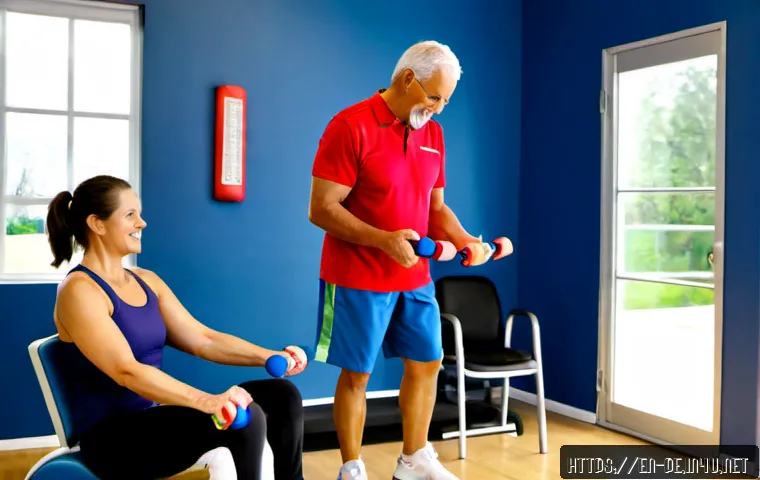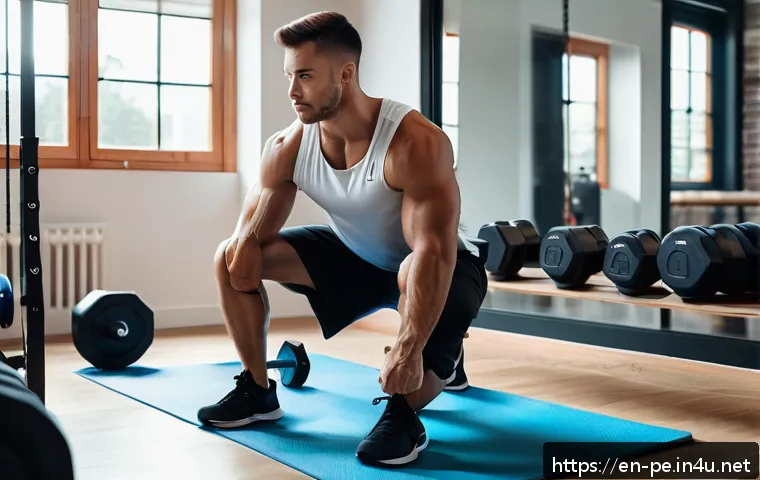
Hey there, fitness lovers! If you’ve ever been sidelined by those sudden, painful muscle cramps during a workout, you’re definitely not alone. With more people hitting the gym and exploring new fitness routines than ever before, understanding how to prevent cramps is a game-changer.
These unwelcome spasms can disrupt your flow and even set back your progress. But don’t worry—there are proven strategies to keep your muscles happy and cramps at bay.
Stick around as we dive into essential tips that can help you stay energized and pain-free throughout every sweat session.
Mastering Hydration for Muscle Health
Why Water is Your Best Workout Buddy
Staying hydrated during exercise isn’t just about quenching your thirst—it’s a vital part of keeping your muscles functioning smoothly. When you sweat, your body loses fluids and essential electrolytes that muscles need to contract and relax properly.
Without enough water, those tiny muscle fibers can misfire, leading to cramps that feel like a sudden jolt of pain. From my own experience, sipping water consistently throughout a workout keeps me energized and significantly reduces the nagging tightness in my calves and hamstrings.
It’s easy to overlook, but reaching for a bottle regularly is a simple yet powerful way to prevent those interruptions in your flow.
Balancing Electrolytes: More Than Just Sodium
Electrolytes like potassium, magnesium, and calcium play starring roles in muscle function. When these minerals dip too low—often due to intense sweating—they can trigger cramps that stop you in your tracks.
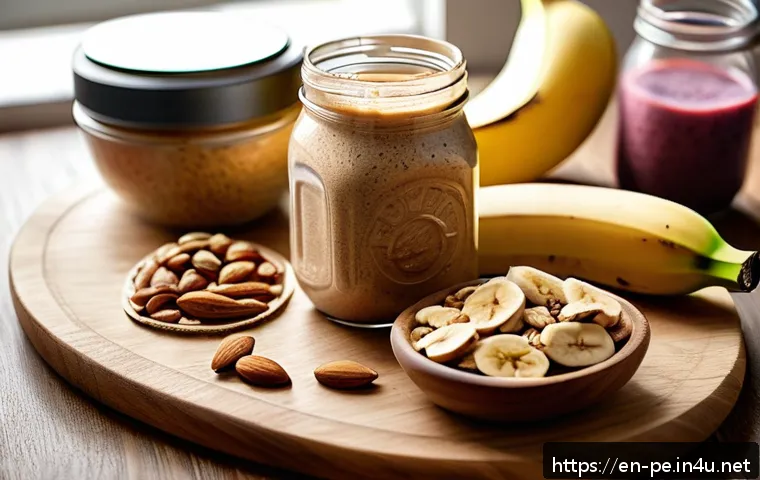
I noticed that after a particularly sweaty spin class, my legs would cramp up if I hadn’t replenished these nutrients. That’s why I started including electrolyte-rich foods like bananas, nuts, and leafy greens in my pre- and post-workout meals.
Adding a sports drink with balanced electrolytes can also help during long sessions, but be mindful of sugar content. Getting this balance right means your muscles get the fuel they need to stay loose and responsive.
Timing Your Fluid Intake for Maximum Effect
Drinking gallons of water right before a workout isn’t the answer; instead, pacing yourself is key. I find that sipping water steadily in the hours leading up to exercise, then continuing to hydrate during and after, keeps cramps at bay far better than a last-minute gulp.
Overhydration can also be a problem, diluting electrolytes and causing similar issues. The goal is consistent, moderate hydration tailored to your sweat rate and workout intensity.
Experiment with timing and quantity to find what keeps you feeling balanced and cramp-free.
Stretching and Warm-Up Techniques That Make a Difference
The Power of Dynamic Warm-Ups
Jumping straight into high-intensity movements can be a recipe for muscle cramps, especially if your muscles are cold and stiff. Dynamic warm-ups—think leg swings, arm circles, or walking lunges—gradually increase blood flow and prepare your muscles for the work ahead.
Personally, I never skip these anymore because I noticed a clear reduction in post-workout cramps when my muscles are properly warmed up. It’s like waking them up gently instead of shocking them awake.
Targeted Stretching: When and How to Do It
Stretching after your workout helps muscles relax and recover, but stretching before exercise can also reduce cramps if done correctly. Static stretching (holding a stretch) is best reserved for the cool-down phase, while dynamic stretches prime your muscles.
I’ve found that paying close attention to commonly cramp-prone areas like calves, quads, and hamstrings before and after exercise makes a huge difference.
Holding stretches too long or stretching cold muscles can backfire, so a balanced approach is essential.
Incorporating Foam Rolling into Your Routine
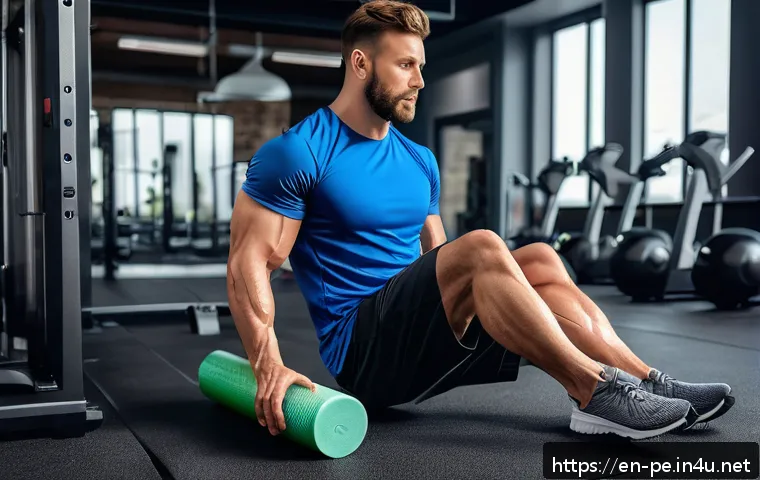
Foam rolling is a self-myofascial release technique that helps break up muscle knots and improve circulation. After a grueling leg day, foam rolling my calves and thighs has become my go-to recovery method.
Not only does it ease soreness, but it also reduces the likelihood of cramps by promoting better muscle elasticity. Even just a few minutes before and after workouts can prep your muscles for movement and speed up recovery.
Nutrition Strategies to Support Cramp-Free Workouts
Fueling with the Right Macronutrients
Your muscles need more than just water—they need quality fuel. Carbohydrates provide the energy to power through your sets, while protein aids in muscle repair and growth.
When I started paying closer attention to my meal timing and composition, I noticed my muscle fatigue and cramps diminished significantly. Skipping meals or relying on processed snacks often left me vulnerable to cramps mid-workout.
Balanced meals with whole grains, lean proteins, and healthy fats are your muscle’s best friend.
Micronutrients That Matter Most
Certain vitamins and minerals are crucial for muscle function beyond the electrolytes already mentioned. Vitamin D, for example, helps with calcium absorption, which is vital for muscle contractions.
Iron supports oxygen delivery to muscles, and deficiencies can cause fatigue and cramping. After a blood test revealed low iron, I adjusted my diet and supplement routine, and the difference in muscle endurance was remarkable.
A well-rounded diet rich in colorful fruits, vegetables, nuts, and seeds covers most bases, but sometimes supplements are necessary based on individual needs.
Snacking Smart Before and After Exercise
I used to underestimate the power of a well-timed snack. Eating something like a banana with almond butter or a small smoothie an hour before exercise helps stabilize blood sugar and provide steady energy, reducing cramp risks.
Post-workout snacks that combine protein and carbs help replenish glycogen stores and repair muscles. These habits have been game-changers for me in maintaining muscle health and avoiding those frustrating cramps.
Adjusting Workout Intensity and Rest for Muscle Recovery
Listening to Your Body’s Signals
Pushing through pain or ignoring early signs of muscle fatigue often leads to cramps and injury. I’ve learned that tuning into subtle cues—like unusual tightness or twitching—can save me from a cramp attack later.
Sometimes that means dialing back intensity, shortening a session, or taking an extra rest day. Your muscles need time to rebuild and adapt, and respecting that process is key for long-term progress.
Incorporating Active Recovery Days
Rest doesn’t always mean complete inactivity. Active recovery, such as light walking, yoga, or swimming, promotes blood flow and muscle repair without overstressing the body.
After a tough workout, these gentle movements help flush out metabolic waste and reduce stiffness, which lowers cramp risk. I find that active recovery days keep me feeling fresh and less prone to muscle spasms compared to just sitting around.
Understanding Overtraining and Its Impact
Overtraining can sneak up on you, especially when chasing fitness goals aggressively. It depletes energy reserves and disrupts electrolyte balance, making cramps more frequent and severe.
When I tracked my training load and included adequate rest, my performance improved and cramps became rare. Balancing intensity, volume, and recovery is a science and an art that every athlete should master to stay healthy and consistent.
Using Tools and Techniques to Soothe Muscles Post-Workout
Cold Therapy for Inflammation Control
Applying ice packs or taking cold baths after intense exercise can reduce inflammation and muscle soreness. I’ve experienced how cold therapy calms down tight muscles, preventing them from locking up into painful cramps later.
It’s especially useful after long runs or heavy lifting sessions. However, timing is important—too soon or too long can hinder recovery, so moderation is key.
Heat Therapy for Relaxation
Contrasting with cold, heat therapy helps relax muscles and improve circulation. Using a heating pad or warm bath a few hours after exercise can ease stiffness and promote flexibility.
I alternate between cold and heat depending on how my muscles feel, which has helped me stay cramp-free and comfortable throughout the week.
Massage and Professional Treatments
Occasional massages or visits to a physical therapist have been invaluable for me. They help release chronic muscle tightness and address imbalances that contribute to cramping.
If you’re struggling with persistent cramps, consulting a professional can provide personalized strategies and treatments that go beyond self-care.
Tracking and Adjusting Your Routine for Long-Term Success
Keeping a Workout and Nutrition Journal
Documenting your workouts, hydration, nutrition, and any cramping episodes can reveal patterns and triggers. I started journaling after a few months of unexplained cramps, and it helped me identify that skipping electrolyte intake on hot days was a culprit.
This awareness allowed me to make targeted adjustments that improved my performance and comfort.
Using Technology to Monitor Hydration and Activity
Smartwatches and fitness apps now offer hydration tracking, sweat rate estimates, and recovery reminders. I use these tools to remind myself to drink water and to manage workout intensity based on my recovery data.
These small nudges have helped me maintain balance and avoid muscle cramps caused by neglecting basic needs.
Adjusting Based on Seasonal and Environmental Factors
Hot and humid conditions increase sweat loss and electrolyte depletion, raising cramp risk. I’ve learned to modify my hydration and electrolyte intake accordingly, sometimes adding supplements or altering workout timing to cooler parts of the day.
Similarly, colder weather demands longer warm-ups to prepare muscles. Being flexible and responsive to your environment is crucial for consistent, cramp-free training.
| Prevention Strategy | Key Benefits | Personal Tips |
|---|---|---|
| Hydration & Electrolyte Balance | Maintains muscle function, prevents spasms | Drink water steadily, eat bananas and nuts |
| Proper Warm-Up & Stretching | Prepares muscles, reduces tightness | Dynamic warm-ups, foam rolling post-workout |
| Nutrition & Supplementation | Supports muscle energy & recovery | Balanced meals, vitamin D & iron checks |
| Rest & Recovery | Prevents overtraining, aids repair | Active recovery days, listen to body signals |
| Post-Workout Therapies | Reduces inflammation, promotes relaxation | Use cold packs, heat therapy, massage |
| Routine Tracking & Adjustment | Identifies triggers, improves consistency | Journal workouts, use hydration apps |
In Conclusion
Mastering hydration and muscle care is essential for avoiding cramps and enhancing workout performance. By understanding your body’s needs and applying smart strategies, you can enjoy smoother, more comfortable exercise sessions. Consistency in hydration, nutrition, and recovery truly makes a difference. Remember, small adjustments lead to big improvements over time.
Helpful Tips to Keep in Mind
1. Drink water steadily throughout the day and include electrolyte-rich foods to maintain muscle balance.
2. Always warm up dynamically before workouts and use foam rolling after to prevent tightness.
3. Prioritize balanced meals with adequate protein, carbs, and micronutrients like vitamin D and iron.
4. Listen to your body’s signals and incorporate active recovery days to avoid overtraining.
5. Use tools like hydration apps and workout journals to track progress and adjust routines effectively.
Key Takeaways for Muscle Health
Proper hydration combined with balanced electrolytes is fundamental to muscle function and cramp prevention. Warm-ups and stretching prepare muscles for activity and aid recovery. Nutrition fuels your muscles and supports endurance, while rest and recovery allow repair and adaptation. Post-workout therapies and routine tracking ensure long-term success by reducing inflammation and identifying patterns. Adapting your approach based on personal feedback and environmental factors is crucial for consistent, cramp-free training.
Frequently Asked Questions (FAQ) 📖
Q: uestionsQ1: What causes muscle cramps during workouts?
A: Muscle cramps often result from dehydration, electrolyte imbalances, or muscle fatigue. When you sweat a lot during exercise, your body loses essential minerals like potassium, magnesium, and sodium, which help regulate muscle contractions.
Additionally, pushing your muscles too hard without proper conditioning or warming up can lead to sudden spasms. From my experience, staying hydrated and gradually increasing workout intensity really helped reduce those annoying cramps.
Q: How can I prevent muscle cramps before and during exercise?
A: Prevention starts with proper hydration—drink water consistently throughout the day and consider sports drinks during intense sessions to replenish electrolytes.
Also, make sure to warm up properly with dynamic stretches and cool down afterward to relax your muscles. Incorporating magnesium-rich foods like nuts and leafy greens into your diet can support muscle function.
Personally, I found that adding a thorough warm-up routine and balanced nutrition made a big difference in keeping cramps away.
Q: What should I do if I get a cramp mid-workout?
A: If a cramp hits, stop the activity immediately and gently stretch the affected muscle. Applying pressure and massaging the cramped area can also provide relief.
Hydrate with water or an electrolyte drink to help your muscles recover. Once the pain subsides, resume your workout at a slower pace, paying close attention to your body’s signals.
I’ve learned that listening to my body and taking these quick actions helped me bounce back faster and avoid prolonged discomfort.