With youth sports evolving rapidly and more emphasis on holistic development, coaching young athletes has never been more impactful. Whether you’re a seasoned coach or just starting out, understanding how to inspire and nurture talent goes beyond drills and game plans.
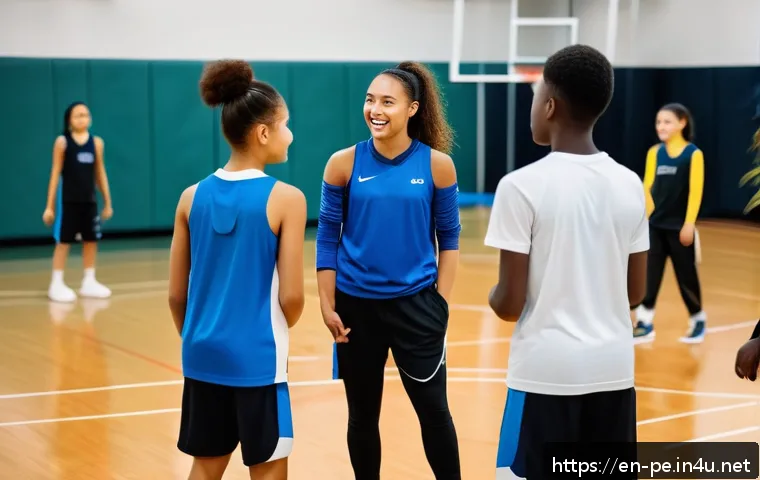
Lately, trends highlight the importance of mental resilience, teamwork, and individualized growth, making coaching a truly rewarding challenge. In this post, we’ll explore proven strategies that can help you connect with young players on a deeper level and foster their passion for the game.
Stick around if you want to unlock the secrets to creating confident, motivated athletes who thrive both on and off the field.
Building Genuine Connections Beyond the Game
Understanding Each Player’s Unique Motivation
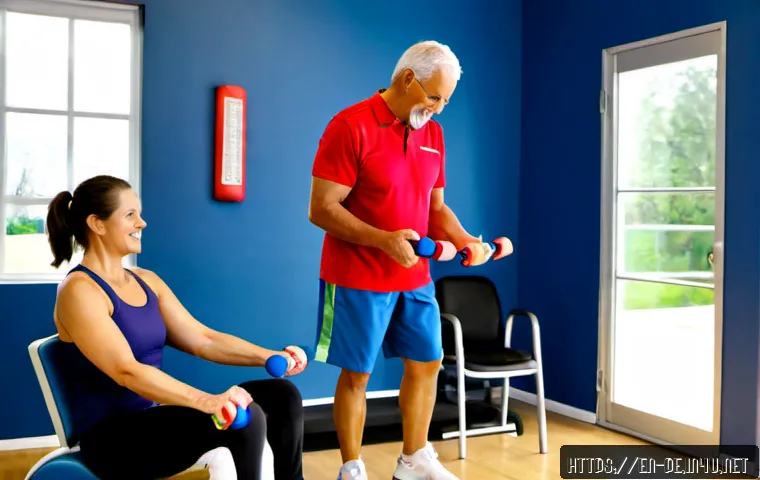
Connecting with young athletes starts with recognizing what drives them personally. I’ve noticed that when you take the time to ask kids about their interests, fears, and goals outside of sports, it opens a door to trust and respect.
For example, a shy child may not excel in loud team environments but could thrive when their individual progress is acknowledged. It’s important not to treat every player the same; tailoring your approach to fit their personalities encourages them to show up not just physically, but emotionally and mentally.
This personalized attention can transform a reluctant participant into a passionate player.
Creating a Safe Space for Expression
Kids need to feel safe expressing themselves without the fear of judgment or harsh criticism. From my experience, teams that encourage open dialogue about struggles or mistakes foster a stronger bond and resilience.
During practice, emphasizing that errors are learning opportunities rather than failures reduces anxiety and keeps motivation high. I’ve seen athletes blossom when coaches celebrate effort and improvement more than just winning.
This nurturing environment allows kids to be vulnerable and, in turn, develop confidence that extends beyond sports.
Engaging Parents as Partners
Parents often play a huge role in a child’s athletic journey, sometimes adding pressure unintentionally. By involving parents through regular communication and education about your coaching philosophy, you create a supportive network around the athlete.
I’ve found that hosting brief meetings or sending weekly updates helps align expectations and prevents mixed messages. When parents understand the focus is on growth and enjoyment, not just scoreboard results, their encouragement becomes more meaningful and less stressful for the kids.
Fostering Mental Toughness and Emotional Intelligence
Integrating Mindfulness and Focus Techniques
Mental resilience is no longer a buzzword; it’s a necessity. Introducing mindfulness exercises or simple breathing techniques before games or practices has made a noticeable difference in how young athletes manage nerves.
I’ve tried guided visualization where kids imagine successful plays or overcoming challenges, and the calm, focused energy afterward is palpable. Teaching these skills early equips them with tools to handle pressure calmly, whether during a penalty shot or a tough conversation with teammates.
Encouraging Positive Self-Talk and Reflection
One habit I recommend is encouraging players to develop positive self-talk to combat doubt and frustration. After practice, asking players what they felt went well and where they can improve shifts their mindset from criticism to constructive reflection.
This practice helps internalize a growth mindset, which I’ve seen directly boost performance and enjoyment. Kids who learn to speak kindly to themselves tend to bounce back faster after setbacks and stay engaged longer.
Building Emotional Awareness in Team Settings
Understanding emotions—both their own and others’—is vital for teamwork. During drills or games, I remind players to check in with how their teammates might be feeling, especially after mistakes or conflicts.
Role-playing scenarios or group discussions about emotions can be eye-opening for kids who might not naturally express themselves. This emotional intelligence fosters empathy, reduces conflicts, and creates a team culture where everyone feels valued and understood.
Promoting Teamwork Through Shared Leadership
Rotating Leadership Roles to Empower Players
Rather than having a fixed captain, rotating leadership positions gives each athlete a chance to develop responsibility and voice. When I implemented this, I noticed players became more engaged and supportive of one another.
Even the quieter kids gained confidence when given small leadership tasks like organizing warm-ups or leading cheers. This practice teaches that leadership isn’t just about skill but about character and contribution.
Encouraging Peer Feedback and Support
Creating opportunities for teammates to provide constructive, positive feedback helps build mutual respect. I’ve found that structured peer feedback sessions, where players share compliments and tips, improve communication and reduce misunderstandings.
Kids learn to appreciate different perspectives and develop a habit of encouraging rather than criticizing. This approach also lightens the coach’s load and fosters a collaborative atmosphere.
Setting Collective Goals for Motivation
When the whole team works toward a shared objective—like improving defense or increasing passing accuracy—it builds unity. I encourage teams to set realistic, measurable goals together, which makes achievements more meaningful.
Celebrating these milestones as a group reinforces the idea that success is a team effort. Players start to see how their individual contributions impact the larger picture, boosting commitment and pride.
Designing Practices That Inspire and Challenge
Balancing Skill Development with Fun
Kids learn best when they’re having fun, so I always try to mix drills with games or challenges that keep things lively. For instance, turning a passing drill into a friendly competition encourages focus without the pressure of failure.
From my experience, this balance keeps energy high and motivation consistent throughout practice. It also helps players associate the sport with joy, making them eager to return.
Incorporating Varied Training to Avoid Burnout
Repetition is important but can quickly lead to boredom or burnout if not managed carefully. I rotate drills and activities to engage different muscle groups and skills, keeping practices fresh.
Adding cross-training elements like agility courses or cooperative games adds excitement and develops overall athleticism. This variety helps maintain enthusiasm and reduces overuse injuries, which I’ve seen derail promising seasons.
Using Technology to Track Progress and Engagement
Leveraging apps or simple video recordings allows players to see their improvements visually. I’ve started using slow-motion videos to break down technique, which helps kids understand how small changes lead to big results.
This tech integration also enables parents to stay involved and celebrate progress at home. Tracking engagement this way turns practice into a personalized journey rather than just routine drills.
Encouraging Lifelong Values Through Sportsmanship
Modeling Respect and Integrity
Coaches set the tone for behavior both on and off the field. Demonstrating respect for referees, opponents, and teammates shows players what sportsmanship truly means.
I make it a point to praise fair play and honesty during games, even if it doesn’t always lead to winning. This focus teaches kids that character matters more than the scoreboard and builds a reputation they can carry beyond sports.
Teaching Conflict Resolution Skills
Disagreements are inevitable but can be powerful learning moments. Guiding players to express feelings calmly, listen actively, and find solutions promotes maturity and teamwork.
I’ve facilitated simple mediation exercises after disputes that have resolved tensions and strengthened bonds. These skills transfer to school, friendships, and future challenges, making sports a practical life classroom.
Celebrating Effort Over Outcome
While wins are exciting, emphasizing effort and improvement nurtures a growth mindset. I often remind players that their dedication and attitude define success more than trophies.
Recognizing hustle, teamwork, and perseverance motivates kids to keep pushing themselves, even when results don’t immediately show. This perspective builds resilience and a love for the game that lasts well into adulthood.
Effective Communication Strategies for Lasting Impact
Active Listening to Understand and Support
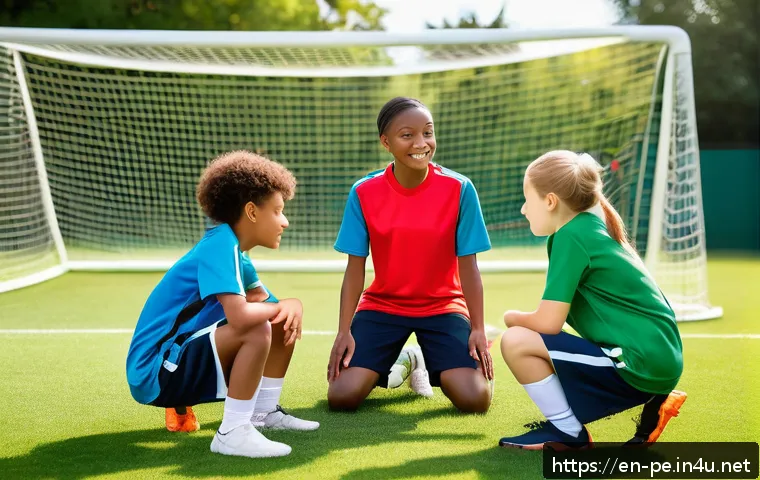
Truly hearing what young athletes say—and sometimes don’t say—helps coaches address needs effectively. I practice active listening by maintaining eye contact, asking open-ended questions, and validating feelings.
This approach makes kids feel valued and understood, encouraging openness and honesty. It also uncovers hidden challenges that might affect performance or enjoyment.
Using Positive Reinforcement to Build Confidence
Highlighting specific, positive behaviors rather than vague praise builds genuine confidence. For example, saying “I noticed how you kept your focus during that tough drill” is more impactful than just “Good job.” This technique helps players recognize their strengths and motivates them to repeat those actions.
Over time, it fosters a sense of competence and pride that fuels continuous growth.
Adapting Communication Style to Age and Personality
Different kids respond better to different communication methods. Younger athletes might need simpler language and more visual cues, while teens often appreciate direct, respectful conversations.
I’ve learned to adjust tone, volume, and timing based on each player’s temperament, which prevents misunderstandings and frustration. This flexibility shows respect for individuality and keeps lines of communication open.
| Coaching Focus | Key Strategies | Expected Benefits |
|---|---|---|
| Personalized Player Connection | One-on-one chats, recognizing individual motivators, involving parents | Increased trust, motivation, and emotional safety |
| Mental Resilience | Mindfulness exercises, positive self-talk, emotional awareness | Better focus, stress management, and emotional intelligence |
| Teamwork and Leadership | Rotating leadership, peer feedback, shared goals | Enhanced communication, responsibility, and unity |
| Engaging Practices | Fun drills, varied activities, technology integration | Higher engagement, reduced burnout, measurable progress |
| Sportsmanship and Values | Modeling respect, conflict resolution, effort recognition | Character development, maturity, lifelong positive attitudes |
| Communication | Active listening, positive reinforcement, adaptive style | Improved understanding, confidence, and coach-player rapport |
In Conclusion
Building meaningful connections with young athletes goes beyond teaching skills—it’s about fostering trust, emotional growth, and teamwork. By focusing on individual needs and creating a supportive environment, coaches can inspire players to develop both on and off the field. These approaches lead to stronger teams and lifelong positive experiences in sports.
Helpful Information to Keep in Mind
1. Every player has unique motivations—taking time to understand them builds trust and engagement.
2. Creating a safe space for expression encourages vulnerability and boosts confidence.
3. Involving parents as partners aligns expectations and supports the athlete’s journey.
4. Incorporating mindfulness and positive self-talk strengthens mental resilience and focus.
5. Rotating leadership roles and encouraging peer feedback promote responsibility and team unity.
Key Takeaways
Personalized coaching that acknowledges each athlete’s individuality fosters deeper connections and motivation. Mental toughness is cultivated through mindfulness and constructive reflection, while teamwork thrives when leadership and communication are shared. Engaging practices balanced with fun and variety prevent burnout and maintain enthusiasm. Finally, emphasizing sportsmanship and positive communication builds character that extends far beyond the game.
Frequently Asked Questions (FAQ) 📖
Q: How can I effectively build mental resilience in young athletes?
A: Building mental resilience starts with creating a supportive environment where mistakes are seen as learning opportunities, not failures. I’ve found that encouraging athletes to set small, achievable goals helps them gain confidence step-by-step.
Incorporating mindfulness exercises or simple breathing techniques before games can also calm nerves and improve focus. Remember, resilience isn’t about avoiding setbacks—it’s about teaching kids how to bounce back stronger each time.
Q: What are some practical ways to foster teamwork among youth players?
A: Teamwork thrives when players feel valued and connected. One approach that worked well for me was organizing off-field activities like team-building games or group discussions about shared goals.
On the field, rotating positions allows kids to appreciate each other’s roles, which naturally builds empathy. Celebrating collective successes rather than just individual achievements also strengthens the team bond, making everyone feel like an important piece of the puzzle.
Q: How can I tailor coaching to support each player’s individual growth?
A: Every young athlete is unique, so personalized coaching means paying attention to their strengths, weaknesses, and personal interests. I recommend having regular one-on-one chats to understand their motivations and challenges.
Adjust drills or feedback to suit their learning style—some kids respond better to visual cues, others to verbal encouragement. This tailored approach not only improves skills but also boosts their enthusiasm and trust in you as a coach.