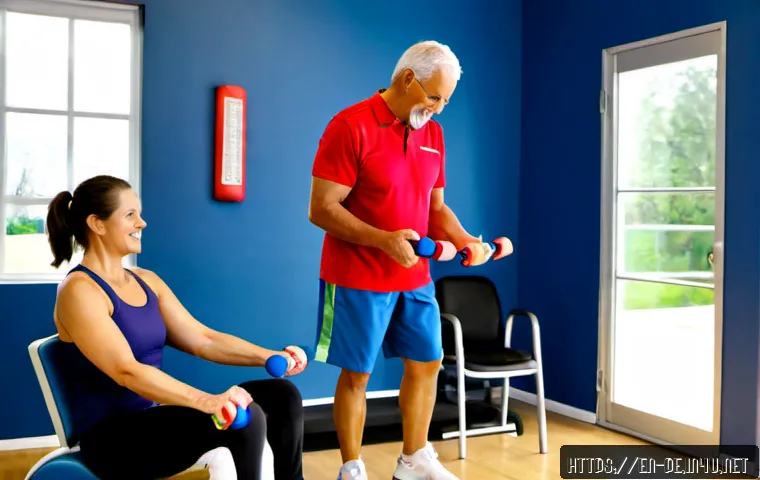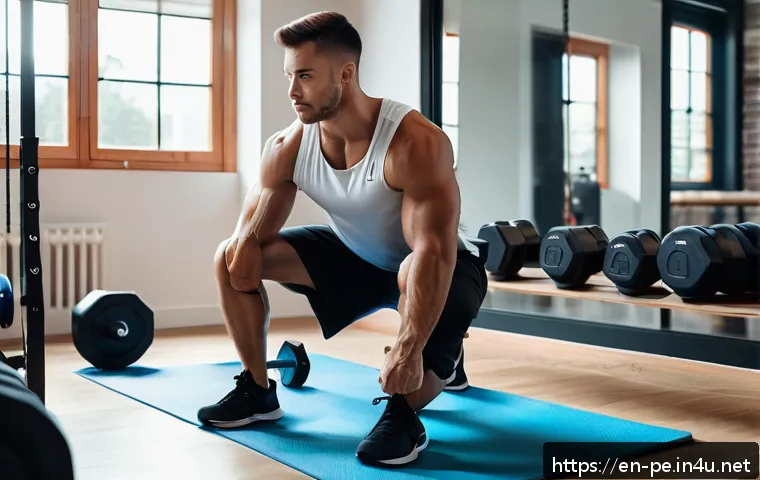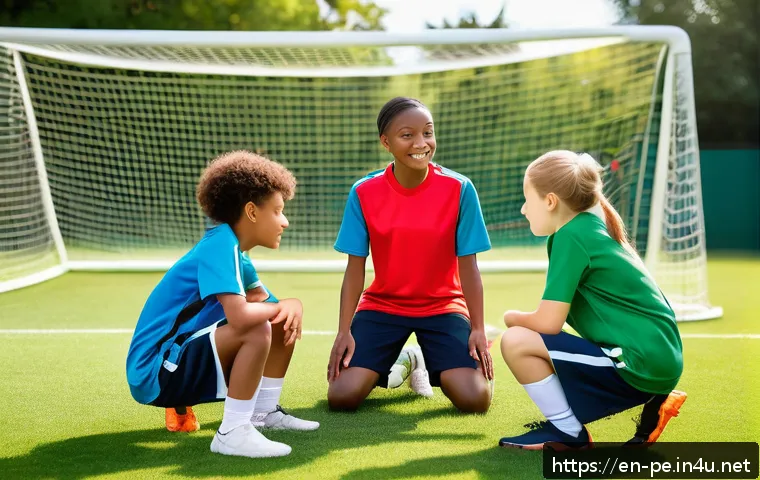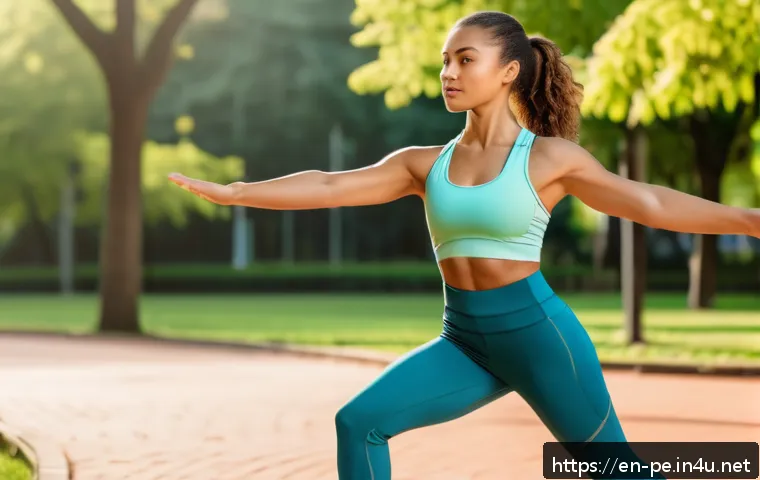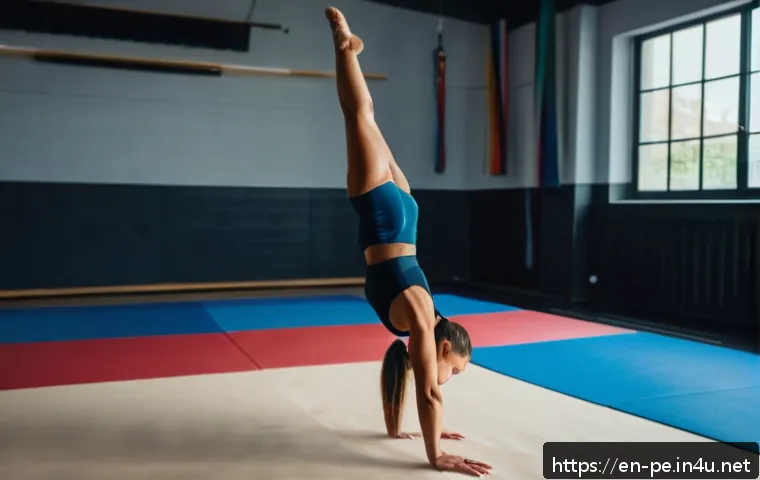
Lately, more people are turning to gymnastics not just as a sport but as a fun way to stay active and improve body control. Whether you’re a beginner or just looking to refine your skills, mastering the basics safely is key to long-term progress and avoiding setbacks.
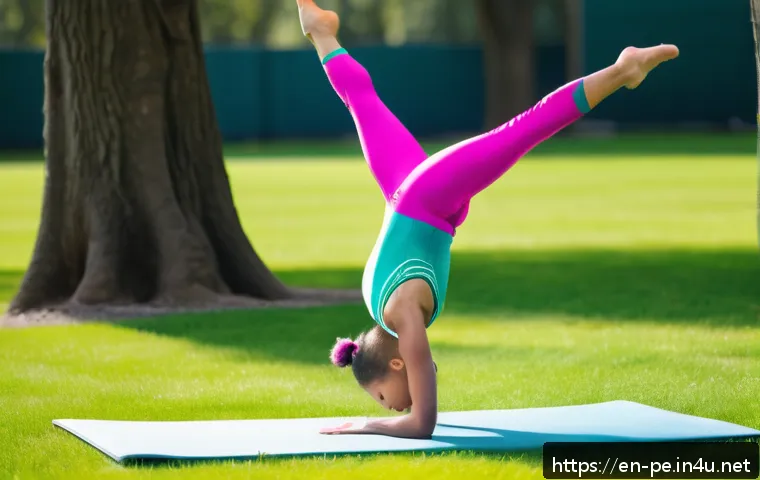
In this post, I’ll share essential techniques that I’ve personally tested, along with practical injury prevention tips that make a real difference. If you’ve ever felt nervous about trying flips or handstands, stick around—this guide will build your confidence while keeping safety front and center.
Let’s dive into the fundamentals that can transform your gymnastics journey!
Building a Strong Foundation with Body Awareness
Understanding Your Center of Gravity
Getting a solid grip on your center of gravity is a game changer in gymnastics. When I first started, I often felt off-balance during simple moves like squats or lunges.
What helped me was focusing on how my weight shifted with every step or position change. Try standing with your feet shoulder-width apart and slowly lean forward, backward, and side to side.
Notice where your weight feels most stable—this is your natural balance point. Mastering this awareness not only improves your posture but also makes complex moves like handstands or cartwheels feel less intimidating.
Your body learns to adjust before you even realize it, which is crucial for smooth, controlled execution.
Engaging Core Muscles for Control
One thing I quickly learned is that a strong core acts like the command center for every gymnastics move. Without it, you might feel wobbly or unable to hold positions long enough to build confidence.
To get started, try simple exercises like planks or hollow holds, focusing on tightening your abdominal muscles without holding your breath. I noticed that when my core was engaged, even basic balance moves felt steadier.
It’s not just about strength but also about control—your core helps regulate your body’s position mid-air or while transitioning between moves. Regularly practicing this builds a solid base for more advanced skills down the road.
Fine-Tuning Joint Mobility
Flexibility is often misunderstood as just being able to stretch far, but it’s really about having healthy, mobile joints that move fluidly. Early on, I found that tight hips or shoulders limited my range of motion and made some gymnastics moves frustrating.
Incorporating dynamic stretches, like leg swings or arm circles, into my warm-up routine helped tremendously. These exercises prepare your joints by increasing blood flow and reducing stiffness.
Over time, you’ll notice improved ease in movements such as bridges or handstands, and this can significantly reduce the risk of strains or sprains.
Safe Progression Strategies for Skill Development
Breaking Skills into Manageable Steps
When I was first learning flips, the idea of doing a full backflip was overwhelming. What made a huge difference was breaking the skill down into smaller, manageable parts—like mastering the jump, then the tuck, and finally the rotation.
Each part becomes a mini goal, and celebrating these small wins keeps motivation high. This step-by-step approach also allows you to build muscle memory gradually, which feels more natural and reduces the chance of injury.
Remember, rushing to the final move too soon often leads to frustration or worse, accidents.
Using Spotting and Support Wisely
Nobody learns gymnastics in isolation, and having a spotter or coach to assist is invaluable. I can’t stress enough how having someone guide your body safely during new skills boosted my confidence.
Spotting provides that safety net while you focus on technique without the fear of falling. If you’re training at home, using padded mats or gymnastics blocks can act as physical support.
Just make sure to gradually reduce assistance as you gain control—this transition is key to building independence in your skills.
Incorporating Consistent Rest and Recovery
It might sound boring, but rest days are as crucial as training sessions. Early in my gymnastics journey, I ignored signs of fatigue and pushed through soreness, only to end up with minor injuries.
Giving your muscles time to recover helps prevent overuse injuries and keeps your performance sharp. Techniques like gentle stretching, foam rolling, and even light walking on rest days aid recovery.
Think of rest as part of your training plan—not a break from progress, but a vital component of it.
Mastering Balance and Coordination Techniques
Practicing Controlled Movements
Controlled movement is the secret sauce behind those fluid gymnastics routines you admire. When I practiced, I focused on slowing down each motion to feel exactly what my muscles were doing.
For example, during a handstand, instead of rushing into the pose, I learned to engage my fingers and wrists to adjust tiny shifts in balance. This level of precision builds neural connections between your brain and muscles, making your movements smoother and more deliberate.
Over time, this control becomes second nature, turning shaky attempts into polished moves.
Enhancing Proprioception Through Drills
Proprioception, or your body’s ability to sense its position in space, is essential in gymnastics. I found balance beams and wobble boards excellent tools to improve this sense.
Start with simple drills like standing on one foot with eyes closed or walking heel-to-toe along a straight line. These exercises train your nervous system to react faster and more accurately to changes in position.
It’s a subtle skill but one that pays off big when performing flips or holds, where precision is everything.
Developing Hand-Eye Coordination
Many gymnastics moves require seamless hand-eye coordination, especially when transitioning between elements or catching yourself during a fall. I practiced this by juggling soft balls or catching tossed objects, which might seem unrelated but actually sharpened my reflexes.
The more you train this coordination, the quicker your hands react to maintain balance or adjust during dynamic moves. It’s a fun way to complement your gymnastics routine and adds an element of play that keeps training enjoyable.
Practical Injury Prevention Tips That Work
Warming Up with Purpose
A rushed or skipped warm-up can be a recipe for injury. Early in my experience, I underestimated warming up, and it led to tight muscles and awkward landings.
A purposeful warm-up should gradually increase your heart rate and loosen your muscles. I like starting with light jogging or jumping jacks, followed by dynamic stretches targeting key areas like wrists, ankles, and shoulders.
This routine primes your body for the demands of gymnastics and reduces the chance of strains, sprains, or joint stress.
Listening to Your Body’s Signals
One of the most valuable lessons I learned was to pay close attention to pain or discomfort signals. Gymnastics pushes your limits, but persistent aches or sharp pains are red flags, not badges of honor.
When you feel something off, it’s better to pause or modify your training rather than pushing through. Early intervention can prevent minor issues from becoming serious injuries.
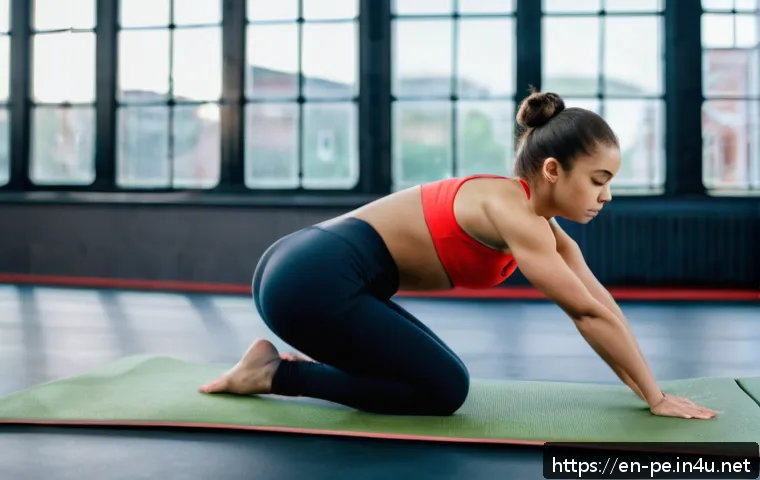
Over time, you develop a better sense of what is normal muscle fatigue and what requires rest or medical advice.
Choosing the Right Gear and Environment
Proper equipment and surroundings play a huge role in safety. I made a point to invest in quality mats, grips, and supportive footwear. Mats should be thick enough to cushion falls but firm enough to maintain stability.
If you train outdoors, be mindful of uneven surfaces or slippery spots. Creating a safe environment helps you focus on technique without worrying about external hazards.
Remember, the right gear is an investment in your progress and well-being.
Tracking Progress and Staying Motivated
Setting Realistic and Measurable Goals
Goal-setting is a powerful motivator. Instead of vague objectives like “get better at flips,” I started setting specific targets such as “hold a handstand for 10 seconds” or “complete a cartwheel with proper form.” These measurable goals give you clear milestones and a sense of achievement as you check them off.
Breaking long-term ambitions into short-term tasks keeps your training focused and rewarding, which makes sticking to your routine easier.
Keeping a Training Journal
Logging your workouts, skills practiced, and how you feel physically and mentally can reveal patterns you might miss otherwise. For me, writing down what worked and what didn’t helped adjust my training approach over time.
It also serves as a reminder of how far you’ve come when motivation dips. Include notes on rest days, injuries, or breakthroughs—this holistic view supports smarter progress and injury prevention.
Celebrating Small Wins and Learning from Setbacks
Gymnastics is full of ups and downs. Early on, I learned that celebrating small victories, like nailing a new move or improving flexibility, keeps spirits high.
At the same time, setbacks—like falls or missed attempts—are inevitable. Instead of getting discouraged, I treated these moments as learning opportunities.
This mindset shift transforms challenges into stepping stones rather than roadblocks, making your gymnastics journey more enjoyable and sustainable.
Essential Gymnastics Movement Breakdown
| Movement | Key Focus | Common Mistakes | Tips for Improvement |
|---|---|---|---|
| Handstand | Balance, wrist strength, core engagement | Arching back, bent elbows, flared fingers | Engage core, press through fingertips, keep arms straight |
| Cartwheel | Body alignment, hand placement, hip rotation | Misaligned hands, lack of momentum, stiff legs | Reach hands wide, generate momentum with hips, keep legs straight |
| Forward Roll | Chin tuck, smooth roll, controlled landing | Head hitting ground, stiff neck, uncontrolled landing | Tuck chin tightly, roll over shoulders, land softly on feet |
| Bridge | Back flexibility, arm strength, shoulder mobility | Poor foot placement, weak arms, tight shoulders | Feet hip-width apart, push through hands, stretch shoulders regularly |
| Handstand Forward Roll | Controlled descent, shoulder flexibility, safe landing | Loss of balance, stiff shoulders, uncontrolled roll | Practice shoulder openers, keep body tight, roll smoothly over back |
Creating a Consistent Practice Routine
Balancing Skill Work and Conditioning
When I started training, I realized that focusing solely on skills without conditioning left me vulnerable to fatigue and injury. A balanced routine includes both skill practice and strength or flexibility training.
For example, after drilling handstands, spending time on core exercises or leg stretches enhances overall performance. Conditioning days can be less intense but should still target areas that support your gymnastics goals.
This approach builds resilience and keeps your body prepared for the demands of each skill.
Scheduling Regular Check-Ins
Consistency is easier to maintain when you have scheduled check-ins with yourself or a coach. These sessions help evaluate progress, address difficulties, and adjust goals.
I found that weekly reviews kept me accountable and allowed me to celebrate improvements or identify areas needing extra attention. Even simple video recordings of your practice can provide insights you might miss in the moment.
These check-ins transform training from a random activity into a purposeful journey.
Incorporating Variety to Stay Engaged
Repetition is necessary for mastery, but monotony can kill motivation. I mix up my routines by trying different apparatus, incorporating fun drills, or cross-training with activities like yoga or dance.
This variety challenges your body in new ways and keeps practice exciting. Plus, it often improves overall coordination and flexibility, which directly benefits your gymnastics skills.
Keeping things fresh makes it easier to stick with your routine long term.
Conclusion
Building a strong foundation in gymnastics starts with body awareness and progresses through safe, consistent practice. By understanding your center of gravity, engaging your core, and focusing on controlled movements, you set yourself up for success. Remember, patience and listening to your body are just as important as dedication. With these principles, your gymnastics journey becomes both rewarding and sustainable.
Helpful Tips to Keep in Mind
1. Always warm up thoroughly to prepare your muscles and joints, reducing injury risk.
2. Break down complex skills into smaller steps to build confidence and muscle memory.
3. Use spotting and proper equipment to train safely, especially when learning new moves.
4. Track your progress with a journal to stay motivated and identify areas for improvement.
5. Incorporate rest and recovery into your routine to maintain long-term performance and prevent burnout.
Key Takeaways
Developing a strong gymnastics practice requires a balance between skill development, conditioning, and recovery. Prioritize body awareness and control to master movements safely and effectively. Setting realistic goals and celebrating small achievements will help maintain motivation. Always listen to your body’s signals to avoid injuries, and create a supportive environment with the right gear and guidance. Consistency, variety, and mindful training pave the way for lasting progress and enjoyment in gymnastics.
Frequently Asked Questions (FAQ) 📖
Q: uestionsQ1: How can beginners safely start learning gymnastics without risking injury?
A: Starting gymnastics safely means focusing on proper warm-ups, stretching, and mastering foundational movements like basic rolls, handstands against a wall, and controlled jumps.
Personally, I found that investing time in flexibility and strength training before attempting more complex skills drastically reduced my injury risk.
Also, practicing under supervision or with a spotter can help you correct form early on and avoid bad habits that might lead to strains or falls.
Q: What are the most effective injury prevention tips for gymnasts at any skill level?
A: From my experience, the key injury prevention tips include listening to your body and not pushing through pain, maintaining balanced muscle strength around joints, and consistently warming up and cooling down.
I always make sure to hydrate well and get enough rest, as fatigue can increase injury chances. Using proper equipment like mats and supportive footwear also plays a big role in keeping you safe during practice.
Q: How do I build confidence to try challenging moves like flips or handstands?
A: Confidence builds gradually by breaking down difficult moves into smaller, manageable steps. For example, before attempting a full flip, I worked on tuck jumps and backward rolls repeatedly until I felt comfortable.
Visualizing success and celebrating small milestones helped me stay motivated. Don’t rush—consistent practice combined with positive self-talk and support from fellow gymnasts or coaches can transform fear into excitement.