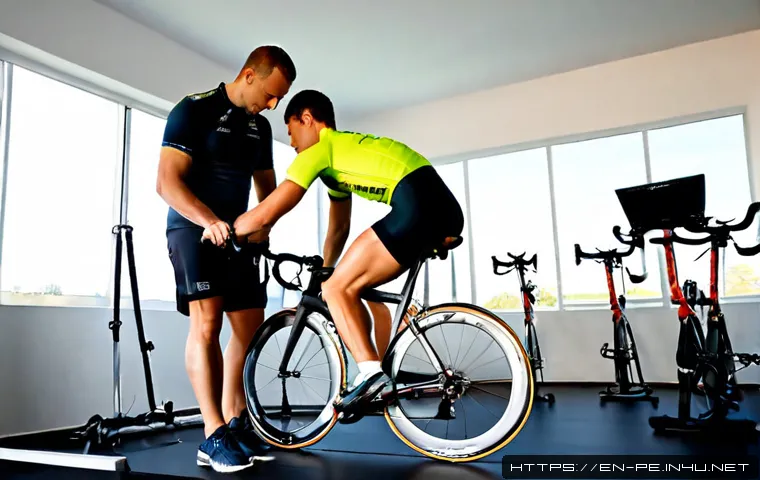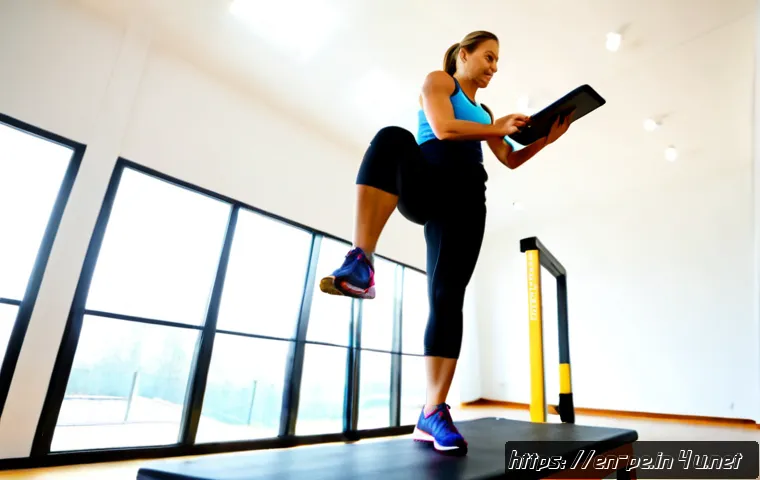
A useful fitness assessment measures more than one number: start with a safe, repeatable baseline for cardio, strength, endurance, mobility, balance, and, where relevant, body composition.
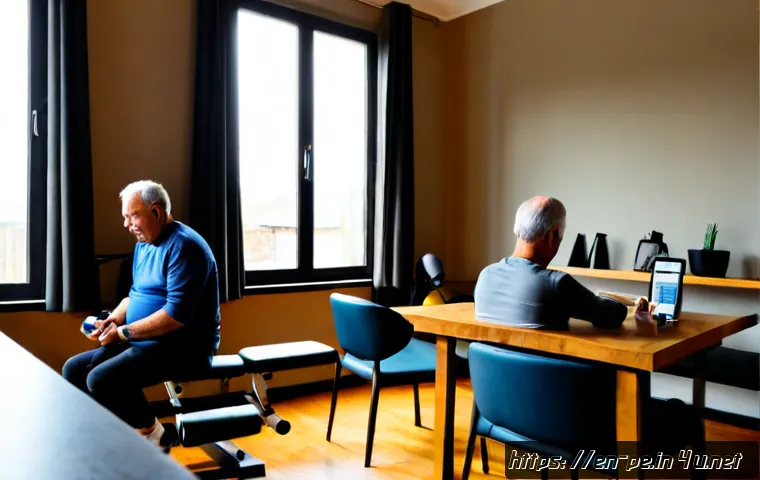
The best option depends on your goal, experience, available equipment, and whether any symptoms or health concerns require professional guidance. Home tests can be practical for tracking personal change, while a gym assessment or personal trainer can add form checks and a structured training plan.
Wearables are helpful for observing trends in heart rate, pace, sleep, and activity, but their estimates should not be treated as precise clinical measurements.
If you have pain, dizziness, chest discomfort, unusual shortness of breath, or a known medical condition, get appropriate guidance before attempting strenuous testing.
The most valuable result is usually not a single “good” or “bad” score, but a clear trend measured under similar conditions over time.
At a Glance
- For a home baseline: choose simple, repeatable walking, bodyweight, mobility, and balance checks that match your current ability.
- For coaching and exercise planning: a gym fitness assessment or personal trainer assessment can add form observation, goal setting, and structured retesting.
- For symptoms or higher-risk situations: avoid strenuous self-testing and consider clinician-supervised exercise testing or medical guidance first.
| Assessment Option | Cost Level | Convenience | Data Quality | Best Fit |
|---|---|---|---|---|
| At-home fitness tests | Usually low | High | Useful when the protocol and conditions stay consistent | Beginners building a baseline or tracking routine progress |
| Gym assessment | Varies by facility | Moderate | Can include structured testing and equipment-based measurements | People joining a fitness center or restarting a program |
| Personal trainer assessment | Varies by trainer and service | Moderate | Useful for form checks, test selection, and training guidance | People who want accountability or a goal-specific exercise plan |
| Wearable-assisted tracking | Device and subscription costs vary | High | Helpful for trends; individual estimates can vary | People who want ongoing heart rate, pace, sleep, or activity data |
| Clinical exercise testing | Varies by provider and location | Lower | Higher-level supervision for appropriate situations | People with symptoms, medical concerns, or a need for supervised testing |
What a Fitness Assessment Should Tell You
A fitness assessment should help you make a better next decision. It can show where you are starting, which abilities support your goal, and which areas may need a more gradual approach. It should not be used to define your worth, diagnose a medical condition, or reduce your health to one score.
The Five Areas Worth Measuring
Fitness is multidimensional. A practical assessment often includes cardiorespiratory endurance, muscular strength, muscular endurance, mobility or flexibility, and balance. Body composition may also be relevant, but it is separate from fitness performance and should be interpreted carefully.
For example, someone may have strong walking endurance but limited mobility, or good muscular strength but low confidence with balance. That is why a broad baseline is usually more useful than chasing a single measurement.
A Quick Answer: Start With a Safe Baseline and Track Change Over Time
If you are returning to exercise or building a new routine, begin with tests you can repeat safely. Use the same route, equipment, load, rest period, and general setup whenever possible. A repeatable protocol gives your future results meaning.
A simple baseline may include a timed walking effort, a controlled bodyweight movement, a mobility check, and a balance screen. The goal is not to push to an all-out limit. The goal is to record a starting point you can compare later.
Why One Score Cannot Define Overall Fitness
A low resting heart rate, a fast walking pace, a high repetition count, or a wearable fitness estimate can each provide one piece of information. They are not interchangeable. A body mass index result also does not directly measure body fat percentage, muscle mass, or fitness level.
Use scores in context: your training goal, prior activity level, recovery, health history, medication use, and exact testing method all matter. A number without context can be misleading.
Compare Home Tests, Gym Assessments, Wearables, and Clinical Testing
The right assessment level is the one that gives you useful information without adding unnecessary risk, cost, or complexity. Consider whether you need convenience, coaching, ongoing data, or a more supervised setting.
At-Home Testing: Low Cost and Useful for Repeatable Baselines
At-home fitness tests are often the easiest place to begin. You may only need clear floor space, supportive footwear, a stable chair or wall for support, a way to track time, and a notebook or fitness assessment log.
Home testing works best when you keep conditions similar. Test at a similar time of day when possible, use the same walking route or stepping setup, and avoid changing multiple variables at once. If a movement causes pain, stop rather than trying to complete the test.
Gym and Personal Trainer Assessments: Coaching, Form Checks, and Structured Plans
A fitness center assessment or personal training consultation may be helpful if you are unsure how to test safely, want feedback on movement form, or need a plan that fits a specific goal. A qualified coach can help select tests that are appropriate for your experience level and adjust resistance, range of motion, or exercise choices.
Before paying for a gym assessment package, ask what the assessment includes, whether retesting is part of the service, how results are recorded, and how the findings will shape your exercise plan. A useful service should explain the purpose of each test rather than simply handing you a list of scores.
Wearables: Useful Trend Data, With Limits on Precision
Fitness trackers and smartwatches can make regular tracking easier. They may help you notice patterns in heart rate, pace, sleep, and activity. For many people, that ongoing record is more actionable than an occasional single test.
Still, wearable estimates can vary by device, fit, movement type, and individual factors. Treat calorie, recovery, body-fat, and VO2 max-style estimates as trend information, not exact personal measurements. Review wearable features based on the metrics you will actually use, battery needs, comfort, and whether the app makes it easy to compare your own history.
Clinical Exercise Testing: When Higher-Level Supervision May Be Appropriate
Clinical or clinician-supervised exercise testing may be more appropriate when symptoms, a known medical condition, injury concerns, pregnancy, or other health factors make strenuous testing uncertain. It may also be relevant when a person needs a level of supervision not offered by a standard gym assessment.
This is not a routine requirement for everyone starting exercise. It is a setting to consider when safety questions come before performance questions.
Comparison Table: Cost, Accuracy, Convenience, and Best Use Case
The table above is a starting filter rather than a ranking. A low-cost home test can be highly useful when repeated consistently. A more expensive service may be worthwhile when it provides the supervision, technique feedback, or individualized context that you genuinely need.
Practical Tests for Cardio, Strength, Mobility, and Balance
Choose only the tests that fit your goal and current condition. More tests are not automatically better. A short, consistent assessment is easier to repeat and interpret than a long testing session that leaves you overly fatigued.
Cardio Options: Walking, Stepping, and Paced Distance Tests
Resting heart rate, submaximal walking or stepping tests, and timed distance tests can offer practical indicators of cardiovascular fitness. They measure different things, so do not compare one result directly with another method.
A walking test may suit someone beginning a routine because it is familiar and easy to repeat. A stepping test may be convenient indoors but can feel more demanding depending on the setup. A paced distance test can work for people who already walk, run, cycle, or train consistently. Use the same protocol each time, and stop if you develop pain, dizziness, chest discomfort, or unusual shortness of breath.
Strength and Muscular Endurance Options: Controlled Bodyweight and Resistance Tests
Strength assessments can use repetitions at a controlled load, grip strength, bodyweight movements, or supervised maximal testing. The best choice depends on your experience, confidence with technique, and safety needs.
For a home baseline, controlled bodyweight movements may be more practical than testing a maximal lift. Record the exercise variation, range of motion, load if used, repetition pace, and rest period. A trainer can help if you want resistance testing but are not sure whether your form and loading are appropriate.
Muscular endurance is not the same as maximal strength. A repetition-based test may show how long you can maintain controlled work, while a heavier supervised test may serve a different purpose.
Mobility and Balance Checks: Simple Screens With Clear Stopping Rules
Mobility checks can look at how comfortably you move through a chosen range, while balance checks can show how steady you are in a controlled position. Use a clear, uncluttered space and keep a stable support nearby. Do not turn a balance screen into a fall risk.
Record whether you needed support, whether one side felt different from the other, and whether discomfort appeared. Pain is not a mobility score to push through. If a movement is painful or you are concerned about a sudden change in balance, seek appropriate professional guidance.
Record Results in a Consistent Fitness Assessment Log
Your log can be simple. Include the date, test name, protocol, equipment, result, effort notes, sleep, recent illness, stress level, and any unusual conditions. This makes your results far easier to interpret later.
For example, a slower walking result after poor sleep or while recovering from illness may not represent a loss of fitness. Notes help separate a temporary off day from a possible training trend.
How to Interpret Results Without Misreading Them
The most useful interpretation begins with the question: “Compared with my own starting point, what is changing?” This approach is usually more practical than labeling a result good or bad in isolation.

Compare Your Result With Your Own Prior Baseline First
Compare the same test with the same setup over several weeks or months. Look for changes that align with your training, recovery, and daily function. You may notice that walking feels easier, controlled repetitions improve, or a mobility movement becomes more comfortable before a single score changes dramatically.
Use Reference Ranges Carefully and Match Them to the Exact Test Protocol
Reference ranges can be useful only when they match the exact protocol, population, and context. A score from one walking test cannot automatically be compared with a different route, pace, device, or test format. Age, health history, medication use, and professional context can also affect how a result should be understood.
Look for Meaningful Trends Instead of Day-to-Day Fluctuations
One result is less informative than a trend. A wearable heart rate reading, pace estimate, or sleep value may shift from day to day. Repeated measurements under similar conditions are more useful for deciding whether your current exercise plan is helping.
What Can Affect a Score: Sleep, Hydration, Illness, Stress, and Test Conditions
Sleep, hydration, illness, stress, recent activity, surface conditions, footwear, equipment, and time of day can all influence a result. Do not overreact to a single lower score. Instead, review your notes and repeat the assessment when you are reasonably recovered and conditions are more consistent.
Safety Checks and Common Assessment Mistakes
Fitness testing should support training, not become a test of toughness. A sensible assessment plan includes clear stopping rules and enough recovery to keep testing from interfering with exercise itself.
When to Pause and Seek Medical or Qualified Professional Guidance
Pause strenuous testing and seek appropriate guidance if you experience pain, dizziness, chest discomfort, unusual shortness of breath, or if you have a known medical condition that may affect exercise safety. These concerns require individual context that a generic online test cannot provide.
Why Maximal Tests Are Not the Default Option for Everyone
Supervised maximal testing may have a place for experienced individuals or specific performance settings, but it is not the default choice for everyone. If you are new to training, returning after time away, managing an injury, or uncertain about your health status, a submaximal or technique-focused assessment is often the more sensible starting point.
Mistakes That Make Results Unreliable
- Changing the route, equipment, exercise variation, or pace between tests.
- Testing while ill, severely fatigued, or unusually stressed without noting it.
- Comparing results from different protocols as though they measure the same thing.
- Using a wearable estimate as a diagnosis or exact measurement.
- Choosing a test because it is popular rather than because it matches your goal.
- Pushing through pain or unstable balance to finish a test.
How Often to Reassess Without Turning Testing Into Overtraining
Reassess often enough to see a trend, but not so often that testing replaces training or creates unnecessary fatigue. The right interval depends on the test, your training plan, and your recovery. For most goals, comparing results over several weeks or months is more useful than trying to prove progress every few days.
Choosing the Right Assessment Option for Your Goal
Your assessment should match the decision you need to make next. Start with the least complicated option that can answer your question safely and clearly.
Best Choice for Starting an Exercise Routine
A simple at-home baseline or introductory gym assessment can work well. Focus on comfortable cardio capacity, controlled bodyweight movement, basic mobility, and safe balance. The main purpose is to choose a realistic starting level for your exercise routine.
Best Choice for Weight-Management and General Health Goals
For general health and weight-management goals, track behaviors and capabilities rather than relying on one body composition number. Walking capacity, activity patterns, strength progress, sleep trends, and consistency may be more useful for shaping your plan. Remember that BMI does not directly measure body fat percentage, muscle mass, or fitness level.
Best Choice for Performance-Focused Training
If your goal is performance, use tests that resemble the demands of your activity. A coach or personal trainer may help identify relevant cardio, strength, endurance, mobility, or technique measures. This can reduce the chance of spending time on metrics that do not support your sport or training objective.
Best Choice When Pain, Symptoms, or Health Concerns Are Involved
When pain, symptoms, or health concerns are involved, do not use a hard self-test to “see what happens.” Professional screening or clinician-supervised testing may be the more suitable route. Safety and appropriate context matter more than collecting a score quickly.
Selection Criteria and Comparison Summary Before Paying for an Assessment
Before choosing a fitness tracker, gym assessment, personal trainer, or clinical service, ask whether the option provides information you can actually use. Consider the testing protocol, supervision level, repeatability, form feedback, data access, and whether a clear follow-up plan is included.
Selection Criteria and Comparison Summary
Use these checkpoints before choosing an assessment option:
- Goal: Are you starting exercise, improving general fitness, managing body weight, or training for performance?
- Safety: Do symptoms, pain, injury, pregnancy, or a medical condition make professional guidance more appropriate?
- Repeatability: Can you repeat the same protocol, with similar equipment and conditions?
- Support: Do you need form checks, accountability, or a structured training plan from a qualified coach?
- Data usefulness: Will wearable metrics or body composition estimates help you make decisions, or add confusion?
- Service details: Does the assessment explain what is measured, how results are interpreted, and what happens next?
Compare local assessment packages, review wearable features, or ask a trainer which tests fit your goal before committing to a service. Check the official service details for current inclusions, qualifications, and conditions.
Final Thoughts
A good fitness assessment gives you a starting point and a practical next step. Keep the process simple, repeatable, and tied to your actual goal. Track trends rather than judging yourself by one result. If safety is uncertain, choose guidance over guesswork.
Useful Things to Know
1. Cardio, strength, endurance, mobility, balance, and body composition are related but separate areas.
2. Consistent test conditions matter as much as the test itself when you compare progress.
3. Fitness trackers are often most useful for observing personal patterns over time.
4. A qualified trainer can add movement feedback and help connect test results to a realistic program.
5. A lower score on one day may reflect recovery or conditions rather than a meaningful loss of fitness.
Important Notes
This information is general and cannot determine whether a particular result is healthy, risky, or appropriate for you. Interpretation depends on the exact protocol, age, health history, medication use, current symptoms, and professional context. Consumer wearable estimates and body composition outputs may vary, and maximal exercise testing is not appropriate for every individual.
Frequently Asked Questions
Q1. What is the best way to assess fitness at home without expensive equipment?
A1. Start with a small set of repeatable checks: a comfortable walking, stepping, or paced distance test for cardio; a controlled bodyweight movement for muscular endurance; and simple mobility and balance screens with stable support nearby. Record the protocol and conditions so you can compare the same tests later. Stop if you have pain, dizziness, chest discomfort, or unusual shortness of breath.
Q2. Are gym fitness assessments worth paying for compared with a smartwatch or app?
A2. It depends on what you need. A smartwatch or app can be convenient for tracking ongoing trends in heart rate, pace, sleep, and activity. A gym assessment or personal trainer may be more useful if you need form feedback, individualized test selection, help interpreting results, or a structured exercise plan. Ask what tests are included and how the results will be used before paying.
Q3. How often should I repeat a fitness assessment to see real progress?
A3. Repeat assessments on a schedule that allows time for training adaptation and keeps testing from becoming exhausting. Trends over several weeks or months are generally more informative than day-to-day comparisons. Use the same protocol, equipment, and conditions whenever possible, and note factors such as illness, poor sleep, stress, or unusual fatigue.