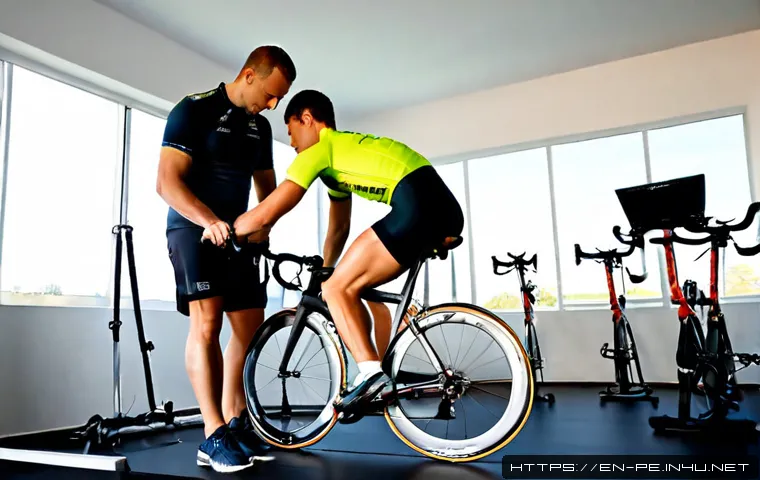
Start with the basics yourself if the issue is clearly related to saddle stability, saddle height, fore-aft position, or cleat comfort—and change only one variable at a time.
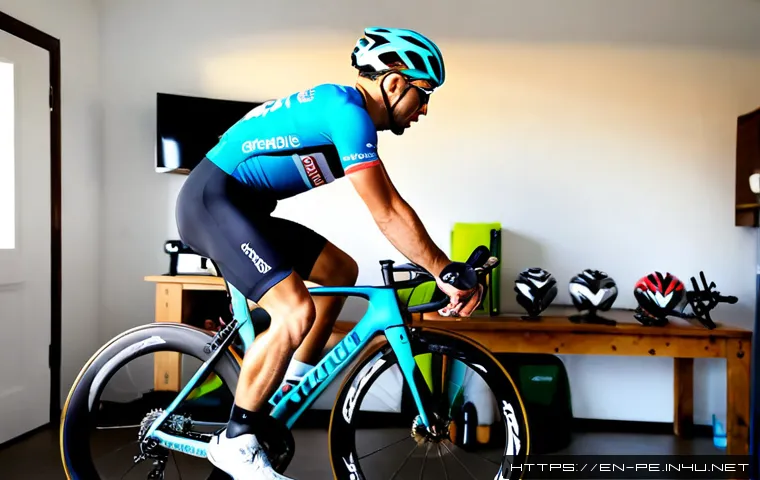
Book a professional bike fit when discomfort persists, your riding goals are more demanding, you are returning from injury, or you may need a component change rather than another adjustment.
A good position balances comfort, control, power transfer, and the ability to repeat that position over normal rides. It is not about copying the lowest or longest setup seen on another rider’s bike.
Comparing fit service scope before booking can help you decide whether a simple shop adjustment or a comprehensive assessment offers better value.
At a Glance
- Start with stable basics: check saddle security, saddle position, and cleat setup before replacing parts.
- Adjustments interact: moving the saddle can change effective handlebar reach and the pressure felt at the hands or knees.
- Persistent pain or numbness needs attention: it should not be accepted as a normal part of cycling, and a professional bike fitting may be useful.
| Option | Typical Scope | Best For | Questions to Ask About Price |
|---|---|---|---|
| Self-adjustment | Small changes to saddle position, handlebar setup, or cleat alignment, tested on normal rides. | Riders with a stable bike and a simple, identifiable comfort concern. | What tools, compatible parts, or replacement hardware might be needed? |
| Shop fitting | A practical position review and basic adjustment support, depending on the shop. | Riders who want help setting up a new bike, saddle, shoes, or handlebars. | What adjustments are included, and is there follow-up support after the first ride? |
| Comprehensive professional bike fit | May include movement assessment, on-bike position analysis, and recommendations for adjustments or component changes. | Riders with persistent discomfort, performance goals, injury history, or repeated setup problems. | What is included in the session, what recommendations may involve extra cost, and how are follow-ups handled? |
What a Good Bike Position Should Achieve
The Four Priorities: Comfort, Control, Efficiency, and Repeatability
A useful bike fit is not built around one “perfect” measurement. Its purpose is to create a position you can use reliably while maintaining comfort, control, efficient pedaling, and sustainable power transfer. These priorities matter together. A position that feels efficient for a few minutes but creates hand pressure or unstable steering during a longer ride is not a complete solution.
Think about the rides you actually do. A commuter may value visibility and confident braking. An endurance rider may need a position that remains comfortable for extended time. A performance-oriented road rider may accept a more aerodynamic posture only if it remains controlled and repeatable.
Why the “Lowest and Longest” Position Is Not Automatically Faster
A low handlebar and long reach can look aggressive, but appearance does not confirm suitability. If the position makes you shift excessively on the saddle, lock your arms, overload your hands, or lose control on uneven roads, the trade-off may not be worthwhile. A position must be stable enough to let you steer, breathe, pedal, and change hand positions naturally.
More aerodynamic is not automatically more useful if it cannot be held consistently. Bike geometry, flexibility, riding discipline, typical ride duration, and injury history all affect what a rider can sustain.
Three Quick Checks Before Changing Any Component
- Check whether the saddle, seatpost, handlebars, and pedals are secure before interpreting a comfort issue as a fit problem.
- Notice when the issue appears: immediately, after time in the saddle, only while climbing, or only in one hand position.
- Write down your current setup and the change you make. Without a simple record, it is easy to change several variables and lose the cause of improvement or discomfort.
Do not replace a saddle, stem, handlebar, or shoe simply because another rider recommends it. First identify whether the current position can be adjusted safely and whether the part is compatible with your bicycle.
The Main Fit Variables and How They Work Together
Saddle Height and Pedaling Range
Saddle height affects how your legs move through the pedal stroke and how stable you feel while seated. It can also influence pressure at the hips, knees, feet, and hands. The right setting is individual, so a measurement that works for one cyclist should not be treated as a universal target.
When reviewing saddle height, focus on your pedaling range and your ability to stay settled on the saddle. A change should be small and followed by normal riding rather than judged only while stationary. If a saddle-height change creates a new issue at the handlebars or knees, review the full setup instead of continuing to raise or lower the saddle repeatedly.
Saddle Fore-Aft Position and Balance Over the Bike
Saddle fore-aft position influences how balanced you feel over the bicycle. It also changes your effective reach to the handlebars. Sliding the saddle can alter perceived hand pressure, knee comfort, and the way your weight is supported between saddle, pedals, and bars.
For that reason, saddle fore-aft should not be treated as a separate cosmetic adjustment. If you move the saddle, reassess your reach before deciding that you need a new stem or handlebar. A cockpit change may be appropriate, but only after the saddle is positioned for stable pedaling and seated support.
Reach, Stack, and Handlebar Drop
Reach describes how far you extend toward the handlebars. Stack and handlebar drop influence how much your torso lowers from the saddle toward the front of the bike. Together, these factors shape posture, breathing room, steering control, and pressure through the hands.
Too much reach or drop may feel demanding, while too little may create a cramped sensation. There is no single setup that suits every rider. Consider your flexibility, bike geometry, normal terrain, and whether your rides are short trips, long endurance days, gravel routes, or performance-focused road sessions.
A stem or handlebar replacement can be a sensible component upgrade when the current adjustment range cannot support a stable position. Before ordering a part, check compatibility before replacing parts, including the bicycle’s cockpit standards and the intended use of the bike.
Cleat Position, Foot Stability, and Knee Tracking
Cleat setup affects foot comfort, knee tracking, and pedaling feel. A cleat that leaves the foot feeling unstable or repeatedly pushes the knee into an uncomfortable path deserves attention. Shoes, pedals, and cleats operate as one interface, so inspect all three rather than assuming the cleat alone is responsible.
Small cleat changes can have noticeable effects. Mark the starting position before making an adjustment, then test the result during regular rides. If there is persistent numbness, pain, or recurring overuse symptoms, avoid treating it as an expected cycling consequence. Bike position can be one factor, but training load, injury, and medical factors may also need consideration.
Self-Adjustment vs Professional Fitting: Value, Scope, and Cost Questions
Adjustments Most Riders Can Test Safely in Small Increments
Many riders can begin with low-cost setup checks. These may include confirming saddle stability, making a small saddle-height or fore-aft adjustment, checking handlebar alignment, and reviewing cleat security and foot comfort. The key is to change one variable at a time.
This approach is especially useful when you have a recently purchased bicycle, a known change in equipment, or a position that feels close but not settled. Keep the original position documented so you can return to it if the result is worse.
When a Shop Fit or Independent Fitter Can Be Worth Paying For
A shop fitting or independent professional bike fitting can offer stronger value when the problem is not simple, when several adjustments seem connected, or when you are considering costly components. A professional session may include movement assessment, on-bike position analysis, and recommendations for adjustments or equipment changes.
Consider booking a fitting service if you have recurring discomfort, cannot find a stable position through careful testing, are returning from injury, or are preparing for longer or more performance-focused riding. The value is not only in changing a measurement. It is in having a structured process for deciding what should be adjusted first and what should not be changed without evidence.
What to Ask Before Comparing Fitting Packages
- Does the session include an assessment away from the bike as well as an on-bike position analysis?
- Which adjustments can be made during the appointment?
- Are cleats, shoes, saddle position, and handlebar setup included in the review?
- How are component recommendations handled if a new saddle, stem, handlebar, crank, or shoe is suggested?
- Is follow-up support available after you test the changes on normal rides?
Professional bike fitting cost, appointment length, and follow-up policies vary by provider. Compare session scope before booking rather than assuming that two services with similar names include the same work.
When Component Replacement Is More Sensible Than Forcing the Position
Adjustment has limits. A new saddle may be worth considering when the current shape does not provide stable support. A stem or handlebar may be relevant when the existing cockpit cannot achieve an appropriate reach or drop. Shoes or cleat hardware may deserve review when the pedal interface does not support comfortable foot stability.
However, no single component can be guaranteed to solve discomfort. Do not let a product recommendation replace an assessment of saddle position, cleat setup, riding goals, and bicycle geometry. A well-scoped fitting service can help separate a true equipment limitation from an adjustment issue.
A Safe Order for Applying Bike Fit Changes
Start With Saddle Stability and Height
Begin with the foundation of the seated position. Confirm that the saddle is secure and aligned as intended. Then assess saddle height through normal pedaling rather than relying on another rider’s measurement. The goal is a position that supports controlled, repeatable movement.
Refine Fore-Aft Position Before Changing Cockpit Length
Once saddle height is reasonably settled, review fore-aft position and overall balance. Because this adjustment changes effective reach, it should come before deciding that the handlebars are too far away or too close. After moving the saddle, reassess how your hands, shoulders, and upper body feel on the bars.

Recheck Cleats, Shoes, and Pedal Interface
Next, review the connection between your feet and the pedals. Make sure cleats are secure and that the foot feels stable through regular pedaling. If a cleat change affects knee tracking or pedaling feel, do not immediately change saddle height again. Give the revised interface a fair, controlled test.
Test Changes Across Several Normal Rides
A short spin can reveal an obvious problem, but it may not show whether a position remains sustainable. Test a change during the kinds of rides you normally do, including the terrain and hand positions you use most. Record what changed and when discomfort appeared.
If several areas become worse, return to the last stable setup rather than layering on more changes. This is the point where a professional bike fit may be more efficient than continued trial and error.
Fit Priorities for Different Types of Riders
Commuters and Casual Riders: Visibility, Control, and Pressure Relief
Commuters and casual riders often benefit from a position that supports clear sightlines, easy steering, confident braking, and manageable pressure through the hands and saddle. The most aggressive posture is rarely the priority. Focus on a setup that feels predictable in regular clothing, varied traffic conditions, and repeated starts and stops.
Endurance and Gravel Riders: Sustainable Comfort Over Long Hours
For endurance and gravel riding, a position must remain usable as fatigue builds. Long-duration comfort, stable support on changing surfaces, and the ability to move between hand positions matter greatly. Check whether your saddle, bars, shoes, and cleats allow you to maintain control without repeatedly shifting to escape pressure.
Road and Performance Riders: Aerodynamic Trade-Offs Without Sacrificing Stability
Road and performance riders may pursue a lower, more aerodynamic position, but it should not compromise stability or repeatability. A fast-looking setup can become less useful if it causes excessive hand pressure, unstable hips, or an inability to hold the posture through normal efforts. A professional fitting can be useful when performance goals and comfort limits need to be weighed together.
Riders Returning From Injury or Managing Recurring Discomfort
Riders returning from injury or experiencing recurring discomfort should avoid assuming that a single fit change explains everything. Flexibility, injury history, training load, bike position, and medical factors can overlap. Persistent numbness, pain, or overuse symptoms should not be normalized; consider appropriate professional assessment alongside a careful bike setup review.
Choosing a Fit Service and Component Upgrade: Comparison Summary
A Booking Checklist for Professional Bike Fitting
Before booking, compare the fitter’s stated process with your actual concern. Look for clarity about movement assessment, on-bike analysis, adjustments included, component recommendations, and follow-up support. Explain your bike type, usual riding duration, discipline, injury history where relevant, and the exact situations in which discomfort occurs.
When to Consider a Saddle, Stem, Handlebar, Crank, or Shoe Change
Consider a component change when the current part limits a stable position or cannot be adjusted appropriately for your riding needs. A saddle may be considered for support and pressure concerns; a stem or handlebar for reach and drop limitations; a shoe or cleat interface for foot stability; and other parts only after a careful review of the full position.
Check compatibility before replacing parts. Confirm that a recommended component works with your bicycle and that its intended adjustment addresses the issue identified during the fitting process.
Red Flags: Rushed Assessments, One-Size-Fits-All Positions, and Unsupported Claims
Be cautious with services that promise a universal ideal position, rush immediately to a component sale, or make unsupported claims that one product will resolve every problem. A useful fitting discussion should connect recommendations to your body, bicycle, riding style, and goals. It should also acknowledge uncertainty when discomfort could involve factors beyond bike position.
Selection Criteria and Comparison Summary
Use these checks before spending on a fitting service or upgrade:
- Choose self-adjustment when the concern is simple, the bike is secure, and you can test one small change at a time.
- Choose a shop fit when you need practical setup help for a new bicycle, saddle, shoes, or cockpit component.
- Choose a comprehensive professional bike fit when symptoms persist, several variables interact, or a costly component decision is approaching.
- Compare fitting packages by assessment scope, on-bike analysis, included adjustments, component advice, and follow-up options.
- Do not purchase a saddle, stem, handlebar, crank, or shoe until you understand what limitation it is intended to address.
Compare session scope before booking, and review official product details and compatibility information before replacing parts.
Final Thoughts
Bike fitting theory is most useful when it leads to a calm, structured process rather than constant changes. Start with a stable saddle, review height and fore-aft position, then assess reach, handlebar drop, and cleat setup as connected variables. Keep your riding goals in view, because a practical commuter position and a performance road position may prioritize different trade-offs. If discomfort remains persistent or the next step involves expensive equipment, a professional bike fitting can provide a more informed path forward.
Useful Things to Know
1. A saddle adjustment can change perceived reach to the handlebars.
2. Cleat position can influence foot comfort, knee tracking, and pedaling feel.
3. The best setup is one you can repeat comfortably across your normal rides, not one copied from another cyclist.
4. A fitting recommendation and a component purchase are separate decisions; ask what problem the part is intended to solve.
Important Notes
Individual fit measurements cannot be determined from general guidance alone. Pain, numbness, and recurring overuse symptoms may not be caused solely by bike position, as training load, injury, and medical factors can also contribute. Local fitting prices, appointment length, included adjustments, and follow-up policies should be confirmed directly with the provider before booking.
Frequently Asked Questions
Q1. How much does a professional bike fit usually cost, and what should be included?
A1. Professional bike fitting cost varies by location, fitter, session scope, and follow-up policy. Ask whether the service includes movement assessment, on-bike position analysis, cleat and shoe review, adjustments during the session, component recommendations, and any follow-up support. Compare what is included rather than relying on price alone.
Q2. Can I adjust my own saddle height and handlebar position safely?
A2. Many riders can test small adjustments safely when the bicycle is secure and only one variable is changed at a time. Start with saddle stability and height, then review fore-aft position before making major cockpit decisions. Record the original position and test each change across normal rides.
Q3. Is a professional bike fit worth it for a recreational cyclist?
A3. It can be worthwhile for a recreational cyclist with persistent discomfort, recurring setup problems, longer riding goals, an injury history, or an upcoming component purchase. If the issue is simple and the bike has a broad adjustment range, careful self-adjustment may be enough. The best value depends on the complexity of the problem and the scope of the fitting service.