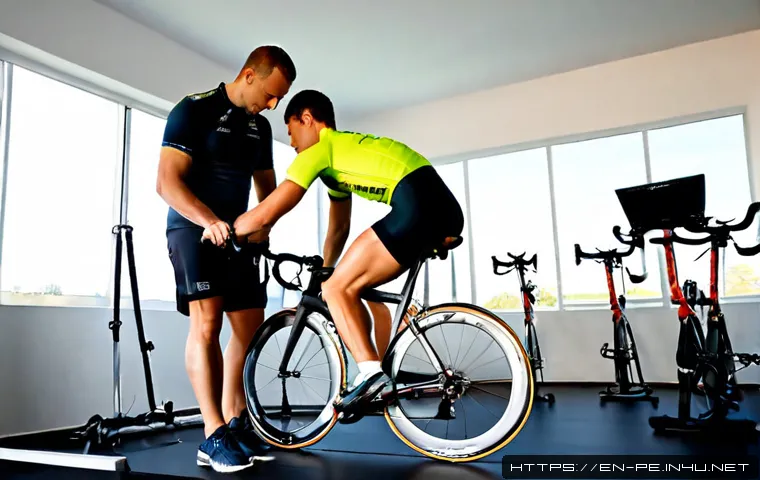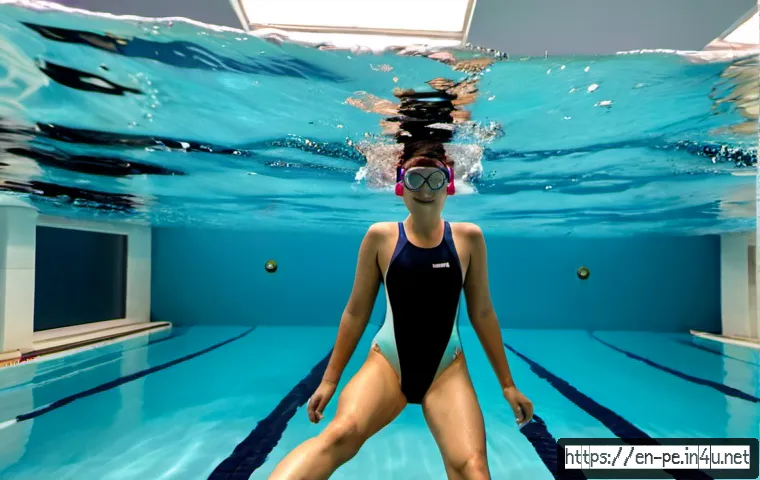
The most reliable way to build cardiorespiratory fitness is to choose an activity you can repeat consistently, keep most sessions manageable, and increase duration, frequency, or intensity gradually.
Walking, running, cycling, swimming, rowing, and dance-based workouts can all improve aerobic fitness when they fit your body, schedule, and access to equipment.
Beginners usually benefit most from easy, repeatable sessions, while busy adults may prefer short structured workouts and performance-focused exercisers can add intervals after building a base.
A gym membership, fitness tracker, heart-rate monitor, training app, or coach can be useful when it solves a specific problem such as weather, pacing, accountability, or technique.
The best setup is not necessarily the most expensive one; it is the one you will use safely and regularly.
At a Glance
- Beginners: Start with a repeatable, comfortable activity such as walking, easy cycling, or swimming.
- Busy adults: Use shorter planned sessions and simple intensity cues instead of trying to make every workout hard.
- Performance-focused users: Build an easy aerobic base first, then add structured intervals with recovery.
| Cardio Option | Impact Level | Cost and Access | Convenience | Tracking Needs |
|---|---|---|---|---|
| Walking and running | Walking is generally lower impact; running has greater impact. | Usually low cost; footwear may matter. | Flexible for outdoor schedules. | Optional fitness tracker or heart-rate monitor. |
| Cycling | Lower-impact option for many people. | Requires a bike or indoor cycling access. | Useful indoors or outdoors, depending on setup. | Helpful for pacing and effort control. |
| Swimming and rowing | Often lower impact, with technique considerations. | May require pool, machine, or facility access. | Depends on location and available equipment. | Perceived effort can be especially useful. |
| Gym cardio machines | Varies by machine and setup. | Gym membership or facility access required. | Useful when weather or safety limits outdoor exercise. | Machine displays and wearables can support pacing. |
| Coached sessions | Depends on the activity and plan. | Paid coaching or class cost. | Scheduled support can improve accountability. | Coach feedback may guide intensity and technique. |
The Fastest Way to Improve Aerobic Capacity Safely
The fastest practical route is usually not an all-out workout. It is a routine you can repeat, recover from, and gradually progress. Cardiorespiratory fitness reflects how effectively the heart, lungs, blood vessels, and muscles support sustained activity, so regular exposure matters more than occasional heroic sessions.
Start with a repeatable activity you can sustain
Choose the activity with the fewest barriers. Walking may work well if you need flexibility and low cost. Cycling, swimming, rowing, or gym cardio machines may suit people looking for a lower-impact alternative or a weather-proof option. Dance-based exercise can also be a practical choice when enjoyment makes consistency easier.
Choose convenience over perfection at first. A simple outdoor route, a nearby gym treadmill, a stationary bike, or a pool session can all be effective when used consistently.
Use the talk test and perceived exertion to find the right effort
The talk test is a practical starting point. During moderate activity, you can generally speak in short sentences. During vigorous activity, sustained conversation becomes difficult. You can also use a perceived exertion scale by noticing whether the session feels easy, manageable, challenging, or very hard.
A heart-rate monitor or fitness tracker can provide extra feedback, especially when you tend to start too fast. Still, device data should support your judgment rather than replace it. A number on a screen cannot account for every health factor, medication, injury, or recovery issue.
Build consistency before adding hard intervals
Hard intervals can have a place, but they are not the first requirement for improved aerobic fitness. Establish regular easy or moderate sessions first. Once that pattern feels sustainable, one structured interval session can be added while leaving room for recovery.
Avoid making every workout a test. Demanding interval sessions and long endurance workouts both require rest to support adaptation.
Compare Cardio Options by Impact, Cost, and Convenience
Walking and running: low cost, flexible scheduling, different impact levels
Walking is accessible, requires little planning, and can fit into daily routines. Running can be equally flexible but creates more impact, so footwear, surface choice, and gradual progression deserve attention. If you are deciding between the two, choose the version you can do comfortably and consistently rather than forcing a faster progression.
Cycling, swimming, and rowing: lower-impact alternatives with equipment considerations
Cycling can work outdoors, on a stationary bike, or through a gym membership. Swimming may appeal to people who prefer a lower-impact activity, although pool access and comfort in the water matter. Rowing machines offer another full-body cardio option, but setup and technique affect comfort.
Before buying home fitness equipment, consider storage, access, comfort, and realistic use frequency. Equipment that is difficult to set up or uncomfortable to use may not solve the consistency problem.
Gym machines, classes, apps, and coaching: when paid support adds practical value
Gym access can be valuable when weather, traffic, safety, or limited outdoor space disrupts your routine. Treadmills, stationary bikes, ellipticals, rowers, and other cardio machines also make it easier to control pace and duration. Group classes may help if a fixed time and shared structure keep you engaged.
A training app can be useful when you need workout planning, pacing prompts, or a record of completed sessions. Personal fitness coaching may add value when you need technique feedback, accountability, or sport-specific planning. Paid support is most useful when it addresses a clear obstacle, not simply because it appears more advanced.
What a heart-rate monitor or fitness tracker can—and cannot—help you measure
A heart-rate monitor can help you notice whether your effort is rising above the level you intended. A fitness tracker or training app can also help record sessions and reveal whether you are actually being consistent. These tools can be useful for pacing, but they cannot guarantee fitness results or replace medical advice.
Choose a wearable for intensity feedback and tracking, not motivation alone. If you already know when to train and enjoy your routine, a simple watch or no device at all may be enough.
A Progressive Weekly Training Structure
The beginner foundation: easy sessions and gradual duration increases
A beginner foundation centers on sessions that feel manageable enough to repeat. Start with an activity and duration that fit your current condition, then make gradual changes over time. You may increase training duration, frequency, or intensity, but changing all three at once can create unnecessary overload.
For a returning exerciser, walking, easy cycling, or comfortable pool work can be a practical base. The immediate goal is not to chase a performance number. It is to create a stable routine.
Adding one structured interval session after a base is established
After you have established a consistent base, one structured interval workout can add variety. Use clear periods of more challenging effort separated by easier recovery periods. Keep the rest of the week largely manageable so the harder session does not turn into repeated fatigue.
Intervals should be purposeful, not constant. If you are unable to recover between sessions, reduce the intensity, duration, or frequency of challenging work.
How to balance easy, moderate, and challenging days
Easy days support regular movement and recovery. Moderate days can be useful when you can still control your effort with the talk test. Challenging days should be used carefully and followed by recovery. This balance is often more sustainable than trying to maintain vigorous effort every time you exercise.
Recovery signals that suggest reducing intensity or volume

Rest and recovery are part of training, not missed training. Consider reducing intensity or volume when demanding sessions leave you unable to recover well, when persistent pain appears, or when your usual exercise feels unusually difficult. A lighter session, easy walk, or rest day may be more useful than forcing another hard workout.
Common Mistakes That Limit Endurance Gains
Training hard every session instead of building an aerobic base
Many people assume breathlessness equals progress. In reality, hard sessions without enough easier work can make training difficult to sustain. Build your routine around repeatable aerobic activity, then add challenge when your base is established.
Increasing distance, speed, and frequency at the same time
Progress is easier to manage when one variable changes at a time. For example, you might add time to a walking routine before adding speed, or increase bike frequency before introducing more demanding intervals. Gradual changes can help reduce overload from abrupt training jumps.
Ignoring footwear, bike fit, or machine setup
Comfort affects adherence. Walking or running footwear, bike fit, and the setup of gym cardio machines can influence whether an activity feels manageable. If equipment repeatedly causes discomfort, review the fit or setup before assuming you simply need to push harder.
Pushing through chest discomfort, faintness, unusual breathlessness, or persistent pain
Stop and seek appropriate guidance rather than treating concerning symptoms as a normal training challenge. People with major health conditions, concerning symptoms, or long periods of inactivity may need individualized clearance before starting vigorous exercise.
Adapt the Plan to Your Schedule and Starting Point
A low-impact route for people returning after inactivity
Start with comfortable walking, easy cycling, swimming, or another activity you can recover from easily. Use the talk test to keep most sessions controlled. Build the habit first, then decide whether longer sessions, a gym routine, or a fitness tracker would make the next step easier.
A time-efficient approach for busy workers
Short planned sessions can be more realistic than waiting for a large open block of time. Choose a nearby route, home equipment, or a gym location that reduces setup time. A training app can help if planning is the barrier, but a simple repeating schedule may be all you need.
A performance-focused route for recreational runners, cyclists, and athletes
Use easy aerobic work as the foundation, then add structured intensity after the base is established. A heart-rate monitor may help with effort control, while coaching can be worth considering if technique, pacing, or sport-specific programming is the main limitation. More data is only useful when it leads to better decisions.
When professional coaching or clinical guidance may be worth considering
Consider qualified coaching when you need accountability, technique feedback, or a plan tailored to a particular sport. Consider clinical guidance before vigorous training if you have concerning symptoms, major health conditions, or have been inactive for a long time. Individual health history, medications, injuries, current fitness, and goals all affect the safest starting point.
Choosing Your Training Setup: Value and Comparison Summary
Choose free or low-cost options when consistency is the main barrier and walking, running, or simple outdoor cycling fits your routine. Consider gym access when weather, safety, predictable equipment, or activity variety affects whether you train. Choose a heart-rate monitor if you need intensity feedback, not motivation alone. Consider a fitness tracker or training app when pacing and progress tracking are the missing pieces. Consider a qualified coach when technique, accountability, or sport-specific planning is needed.
Before purchasing equipment, a gym membership, a wearable, or coaching, ask: Will this make training easier to repeat? Does it address a real barrier? Can I use it comfortably? Does it fit my preferred activity? Review the official details and terms on the relevant provider page before choosing a paid option.
Final Thoughts
Cardiorespiratory fitness improves through regular, sustained activity that matches your starting point. Walking, running, cycling, swimming, rowing, gym machines, and classes can all work. Begin with manageable effort, progress gradually, and protect recovery after long or demanding sessions. The best training plan is one you can continue without turning every workout into a struggle.
Useful Things to Know
1. The talk test is a simple way to estimate effort without equipment.
2. Moderate activity generally allows short sentences, while vigorous activity makes sustained conversation difficult.
3. A fitness tracker can record patterns, but consistent training habits matter more than collecting data.
4. Comfort, access, and scheduling are valid reasons to choose one cardio option over another.
Important Notes
This information is general and cannot identify the safest intensity, weekly volume, or progression for an individual. Health history, medications, injuries, current fitness, and personal goals can change what is appropriate. Heart-rate monitors, apps, and coaching services may be helpful tools, but no device or service can guarantee a specific fitness, weight-loss, calorie-burn, or performance outcome. Seek individualized guidance before vigorous exercise if you have concerning symptoms, major health conditions, or a long period of inactivity.
Frequently Asked Questions
Q1. How many days per week should I train to improve aerobic fitness?
A1. The right frequency depends on your health history, current fitness, injuries, schedule, and goals. Start with a repeatable pattern you can recover from, then make gradual changes rather than abruptly adding more sessions and intensity at once.
Q2. Is walking enough to improve cardiorespiratory fitness, or do I need to run?
A2. Walking can improve aerobic capacity when performed consistently. Running is not required. Choose walking, running, cycling, swimming, rowing, or another aerobic activity based on comfort, access, impact tolerance, and your ability to maintain the routine.
Q3. Is a heart-rate monitor worth buying for cardio training?
A3. A heart-rate monitor may be worth considering if you need help controlling workout intensity or tracking patterns over time. It is less useful if the main issue is finding time, enjoying exercise, or maintaining a routine. It can support decisions, but it does not replace perceived effort, the talk test, or medical guidance.