Adaptive sports can support strength, mobility, confidence, and social participation alongside rehabilitation exercise. Learn how to choose suitable activities, assess safety needs, compare programs and equipment, and know when professional guidance is worth the cost.
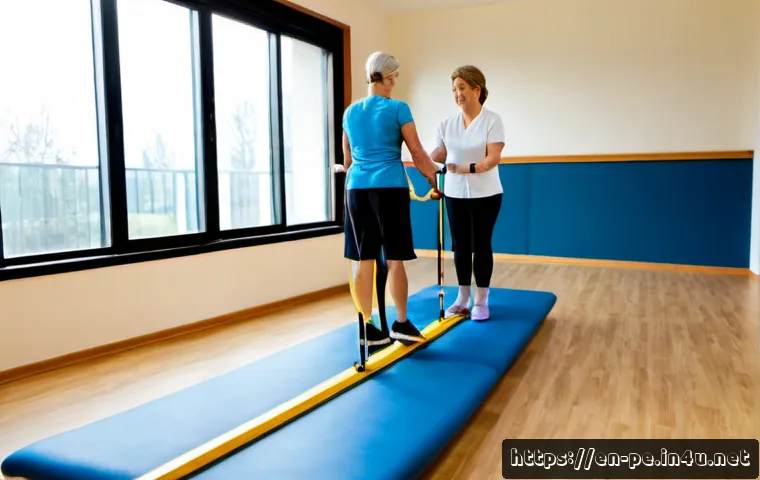
Adaptive sports can complement rehabilitation exercise when the activity matches your goals, comfort, access needs, and available support. The best choice is rarely the most intense sport; it is the option you can do safely and consistently. Rehabilitation exercise usually focuses on functional goals, while sport can add motivation, social participation, and variety. A community program, accessible gym, home plan, or rehabilitation clinic may each fit different stages of recovery. Before paying for coaching, equipment, or a membership, compare accessibility, staff support, travel demands, and fitting services. If symptoms, mobility needs, or equipment pressure points are unclear, individualized professional guidance may be worth considering.
At a Glance
- Adaptive sports change rules, equipment, environments, or support so people with different disabilities can participate.
- Rehabilitation exercise is commonly individualized around function, symptoms, mobility, and medical guidance.
- Choose based on safety, access, comfort, support, and enjoyment—not on intensity or a “beginner” label alone.
| Option | What It Usually Provides | Accessibility Checks | Cost Questions to Ask |
|---|---|---|---|
| Community adaptive sports program | Sport participation, peer connection, and coaching that may be activity-specific | Ask about transportation access, changing areas, staff training, communication support, and emergency planning. | Ask about session fees, equipment rental, coaching, travel, and trial-session options. |
| Rehabilitation clinic | Individualized rehabilitation exercise and assessment around functional goals | Confirm transfer support, appointment access, equipment availability, and whether the setting suits your needs. | Ask about assessment fees, follow-up visits, coverage confirmation, and home-plan support. |
| Accessible gym | Flexible strength, conditioning, or fitness access with varying levels of staff support | Check entrances, equipment layout, accessible restrooms, staff availability, and emergency procedures. | Ask about membership terms, orientation sessions, personal training, and cancellation conditions. |
| Home-based exercise plan | Convenience, familiar surroundings, and flexible pacing | Consider space, transfer safety, supervision needs, communication tools, and equipment storage. | Compare basic equipment, delivery, setup, maintenance, and professional review if needed. |
The Short Answer: Adaptive Sports Can Complement Rehabilitation When the Activity Fits Your Goals
Rehabilitation Exercise Builds Function; Sport Adds Participation, Motivation, and Community
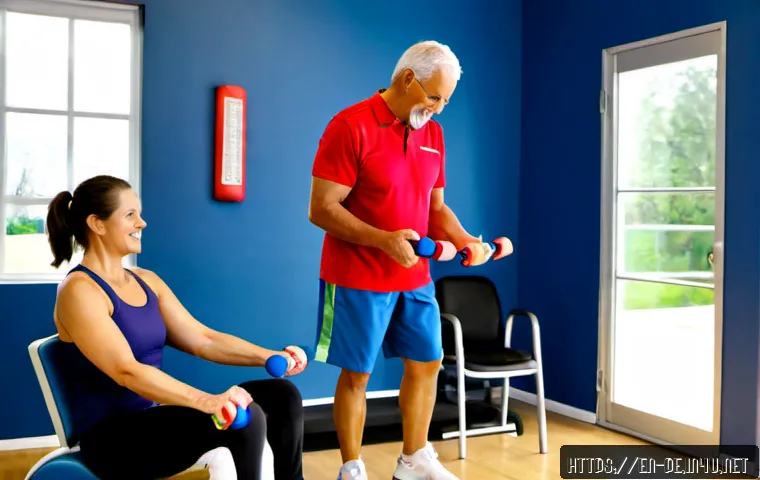
Rehabilitation-focused exercise is commonly organized around practical functional goals, symptoms, mobility, and medical guidance. Adaptive sport has a different emphasis: participation, skill, enjoyment, and connection with other people. These paths can work well together. For example, a person may use a rehabilitation exercise plan to address a specific movement goal while joining an adaptive fitness program for regular activity and community participation.
The key is not to assume that sport replaces rehabilitation or that rehabilitation must be boring. A suitable activity can support cardiovascular fitness, muscular strength, balance, mood, and community participation when it is appropriately adapted. However, the right balance depends on the individual and may change over time.
Start With Safety, Comfort, and Consistency Rather Than Performance Targets
A manageable routine is often more useful than a demanding plan that creates pain flare-ups, fatigue, pressure points, or access barriers. Start by identifying what matters most: moving more comfortably, improving confidence in a group setting, building endurance, or simply finding an activity you enjoy. Then choose a pace that leaves room for recovery.
When to Seek Guidance From a Rehabilitation or Movement Professional
Professional guidance may add value when symptoms are changing, transfers are difficult, fatigue is hard to predict, or an activity requires specialized positioning or equipment. It can also be useful before purchasing custom adaptive equipment. An assessment does not guarantee a particular outcome, but it can help clarify functional goals, safety considerations, and whether a sport or exercise format needs adjustment.
Compare Your Options: Therapy, Adaptive Sports Programs, Accessible Gyms, and Home Exercise
What Each Option Is Designed to Provide
A rehabilitation clinic may be the strongest fit when you need an individualized exercise approach linked to current functional needs. An adaptive sports program may be more appealing when participation, skill-building, and social contact are central goals. An accessible gym can offer regular fitness access, while a home-based plan may reduce travel and scheduling barriers.
Support Level, Scheduling Flexibility, and Accessibility Differences
“Accessible” should mean more than an entry ramp. Ask whether the full experience works: transportation arrival, entrance routes, changing facilities, communication, equipment setup, staff support, and emergency planning. A program with excellent coaching may still be impractical if transfers, personal care needs, or travel arrangements are not supported.
Cost Questions to Ask Before Booking an Assessment, Class, or Membership
Costs can vary by provider, location, coverage, customization, and service level. Before committing, ask what is included in the fee and what may be separate. Useful questions include whether equipment rental is available, whether coaching is included, whether an assessment is required, and whether fitting, repair, or maintenance support is offered for adaptive equipment.
How to Select an Activity That Matches Mobility, Energy, and Personal Goals
Choosing for Strength, Balance, Endurance, Coordination, or Confidence
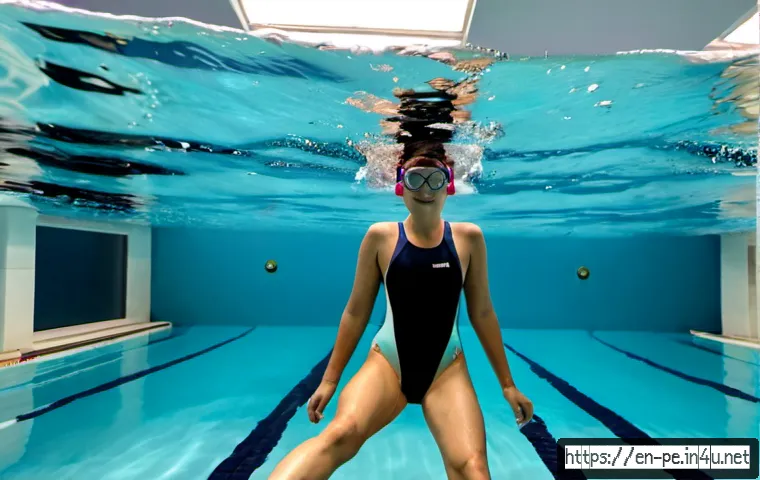
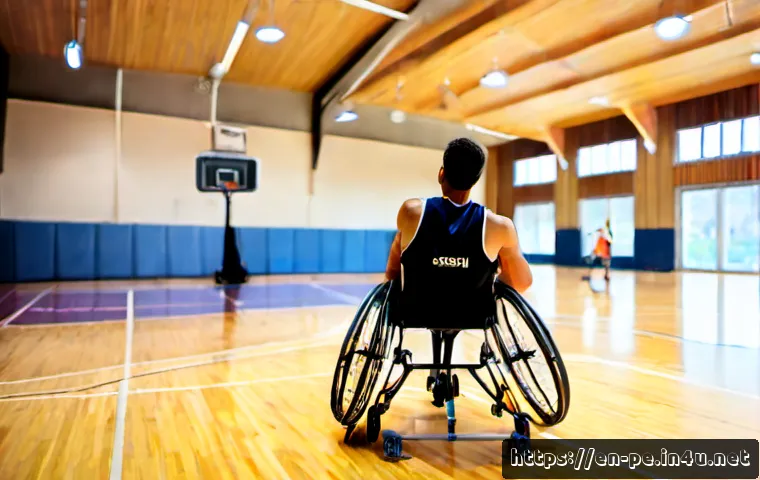
Match the activity to the outcome you care about most. Seated fitness or adapted yoga may suit someone seeking controlled movement, flexibility, or body awareness. Handcycling may appeal to someone who wants outdoor endurance activity. Swimming can be adapted in different ways, while wheelchair sports may offer skill practice, conditioning, and team participation. No format is automatically right for every body or every stage of rehabilitation.
Examples of Adaptable Activities
Adaptive options can include wheelchair sports, seated exercise, swimming, handcycling, adaptive yoga, and visually guided activities. The adaptation may involve a different rule, instructor cue, support person, equipment setup, or physical environment. Ask the program exactly how it adapts the session rather than relying on a broad description.
How Communication, Sensory, Cognitive, or Fatigue-Related Needs Can Affect the Choice
Communication style, sensory environment, instructions, fatigue, and recovery time can affect whether an activity feels workable. Ask whether staff can explain exercises in a preferred format, offer clear visual or verbal cues, allow pacing breaks, or adjust the session setup. A good program welcomes these questions before enrollment.
Safety Steps and Common Mistakes to Avoid
Build Intensity Gradually and Plan Recovery Time
A common mistake is trying to match another participant’s pace. Build activity gradually, allow recovery time, and pay attention to how you feel during and after sessions. Pain flare-ups, unusual fatigue, or reduced control are reasons to consider changing the plan or seeking qualified guidance.
Check Equipment Fit, Skin Protection, Hydration, and Pain Signals
Adaptive equipment may need fitting, maintenance, and adjustment for comfort, control, and injury prevention. Check for pressure points, skin irritation, loose components, and changes in how the equipment feels. Bring water when appropriate, plan for hydration, and do not ignore pain simply because a class or game is continuing.
Confirm Facility Access, Transfer Support, Staff Training, and Emergency Procedures
Before attending, request an accessibility walkthrough. Confirm the route from arrival to activity space, changing facilities, accessible restrooms, available transfer support, staff training, and emergency procedures. It is better to ask directly than to arrive and discover a barrier that could have been clarified in advance.
Do Not Assume a “Beginner” Class Is Automatically Accessible or Medically Appropriate
A beginner class may only refer to sport skill level. It does not automatically mean the facility can meet mobility, communication, fatigue, sensory, or equipment needs. Ask how the class is adapted and whether the instructor can modify participation safely.

Choosing Equipment and Professional Support Without Overspending
When Standard Equipment With Simple Modifications May Be Enough
For some activities, standard equipment with simple modifications or a rental option may be a sensible starting point. This can help you learn whether you enjoy the activity before making a larger commitment. Confirm that the setup is comfortable and controllable, and do not treat a low-cost option as automatically suitable if it creates pressure, poor positioning, or unsafe handling.
When a Professional Fitting, Therapy Evaluation, or Specialist Coach May Add Value
Professional fitting or specialist support may be worth considering when equipment affects posture, skin protection, control, transfers, or injury prevention. It may also help when a sport has technical demands that are difficult to learn through general fitness instruction. The value is not in buying the most complex item; it is in identifying a setup that fits your needs and can be maintained.
Questions to Compare Equipment Suppliers, Rental Options, Repairs, Warranties, and Training
Ask whether the provider offers a fitting process, adjustment appointments, repair support, maintenance guidance, and training on safe use. If rental is available, ask what condition the equipment is in and whether adjustments can be made. When comparing suppliers, compare fitting and maintenance support, not only the initial purchase price.
Selection Criteria and Comparison Summary
A Decision Checklist: Goal, Accessibility, Safety Support, Travel, Cost, and Enjoyment
Before choosing a rehabilitation service, accessible gym, adaptive sports program, or equipment provider, check these points:
- Goal: Does the activity match your current functional, fitness, or participation goal?
- Accessibility: Can you use the full facility, not just enter the building?
- Safety support: Are staff, equipment, pacing options, and emergency procedures appropriate?
- Travel and energy: Is the journey realistic alongside your energy and recovery needs?
- Cost: Have you asked about assessments, rentals, maintenance, coaching, and membership conditions?
- Enjoyment: Would you realistically want to return?
How to Arrange a Trial Session Before Committing
Ask for a trial session before purchasing a package, membership, or specialized equipment when possible. Use the visit to assess access, communication, staff responsiveness, equipment comfort, and the amount of recovery the activity requires. Official program information and detailed conditions should be reviewed directly on the provider’s page or through their staff.
Signs That an Activity Should Be Adjusted, Paused, or Reviewed With a Qualified Professional
Consider adjusting or pausing when there is recurring pain, skin irritation, equipment-related pressure, falls, difficulty controlling the equipment, unexpected fatigue, or a change in symptoms. These signs do not identify a cause on their own, but they are practical reasons to reassess the activity, setup, or level of support.
Closing Thoughts
Adaptive sports and rehabilitation exercise do not have to compete. One can support functional goals while the other adds enjoyment, confidence, and participation. Start with an option that feels accessible and manageable, then build from there. The strongest choice is one that respects your safety needs while giving you a real reason to keep moving.
Useful Things to Know
Accessibility is a full experience: transportation, changing areas, staff communication, equipment setup, and emergency planning all matter.
Equipment needs follow-up: fit can change, and maintenance or adjustment may be needed for comfort and control.
A trial can prevent a poor purchase: test a program or rental setup before committing when that option is available.
Important Considerations
This information is general and cannot determine which sport, intensity, equipment setup, or rehabilitation plan is safe for a specific person. Program accessibility, staff qualifications, insurance acceptance, and exact costs require direct confirmation with the provider. Adaptive sports participation does not guarantee improvement for a particular diagnosis, pain condition, or rehabilitation outcome.
Frequently Asked Questions
Q1. Are adaptive sports safe during rehabilitation?
A1. They may be appropriate when the activity is adapted to the person’s goals, symptoms, mobility, comfort, and support needs. Risks can include overuse injuries, falls, skin irritation, dehydration, pain flare-ups, and equipment pressure points. If safety needs or symptoms are unclear, a rehabilitation or movement professional can help assess whether changes are needed.
Q2. How much do adaptive sports programs and equipment usually cost?
A2. Costs vary by location, provider, coverage, equipment customization, transportation, coaching, and maintenance needs. Ask for a clear list of fees before booking, including assessments, memberships, rentals, repairs, fitting, and any required support services.
Q3. What should I ask an accessible gym or adaptive sports program before joining?
A3. Ask about full facility access, changing areas, staff training, communication support, transfer assistance, emergency procedures, equipment availability, trial sessions, and how the activity is adapted. Request an accessibility walkthrough and ask whether the program can address your specific equipment, pacing, and support needs.