
Hey everyone! If you’re anything like me, you know that heart-sinking moment when an injury suddenly pulls you away from the sports or activities you absolutely love.
Trust me, I’ve been there – staring at my running shoes or my basketball, feeling that gnawing frustration and just wishing I could fast-forward straight back to full performance.
For so long, the focus was just on getting rid of the pain. But we’ve learned a lot, haven’t we? Simply “feeling fine” physically doesn’t mean you’re truly ready to jump back into action without risking another setback.
That’s where the incredible evolution of “Return to Sport” programs comes in! Forget the old, generic recovery plans. Today, it’s all about a sophisticated, personalized journey.
We’re talking cutting-edge approaches that blend physical healing with vital mental resilience, leveraging smart tech like wearables and even virtual reality to rebuild confidence and strength.
It’s not just about patching you up; it’s about understanding your unique body, your sport, and your mind, using data-driven insights and a truly holistic perspective to ensure you don’t just return, but come back stronger, more capable, and genuinely ready to conquer your goals.
Ready to uncover the secrets to an epic comeback? Let’s dive right in!
Beyond the Band-Aid: The Holistic Comeback Journey
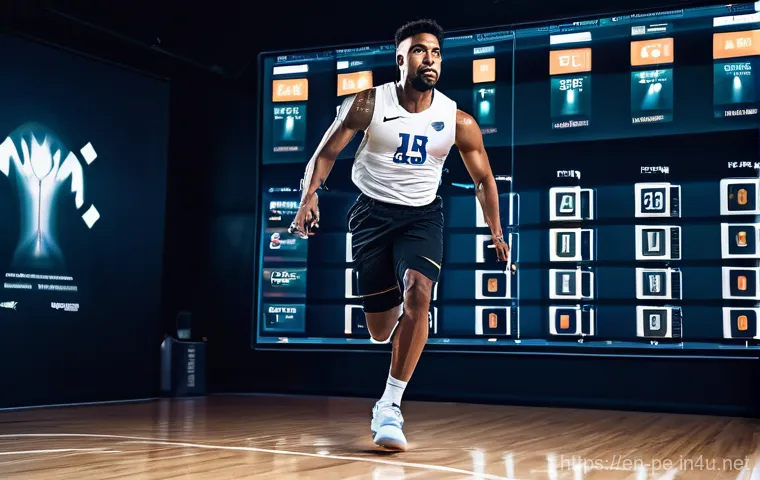
You know that feeling, right? You’ve picked yourself up after an injury, done your physical therapy, and the pain is mostly gone. You feel “good enough.” But let me tell you from personal experience, that’s often just the tip of the iceberg. The old way of thinking was simply about making the pain disappear, like a magic trick. But I’ve learned, and seen countless others learn, that true recovery, the kind that lasts and prevents future setbacks, is a deeply holistic endeavor. It’s not just about patching up a torn muscle or a twisted joint; it’s about meticulously rebuilding every single aspect of your physical and mental game. I remember rushing back to my soccer league too soon after a hamstring strain, feeling fine until that first explosive sprint where I felt a familiar twinge. It was utterly deflating. That experience taught me the hard way that a comprehensive approach, one that considers your entire being—body, mind, and spirit—is absolutely non-negotiable for a truly successful return. This is where modern “Return to Sport” programs really shine, moving beyond mere symptom relief to foster resilience and prepare you for peak performance, ensuring you don’t just get back in the game, but come back stronger and smarter than ever before.
Understanding Your Body’s Unique Blueprint
Every injury is unique, and frankly, so is every body. What worked for your teammate’s ACL recovery might not be the exact path for yours, even if it’s the same injury! I’ve seen this firsthand. My friend, a long-distance runner, bounced back from a stress fracture with a different set of exercises and timelines than I did after my ankle sprain, despite both being lower limb issues. The best return-to-sport programs start with a deep dive into your specific injury, your biomechanics, your sport’s demands, and even your past injury history. They look at how your body moves, identifies any compensatory patterns you might have developed, and pinpoints areas of weakness or imbalance that could have contributed to the injury in the first place. It’s like having a master mechanic diagnose your high-performance car – they don’t just fix the broken part; they tune the entire engine to ensure it runs optimally. This personalized assessment is the bedrock upon which a truly effective and sustainable recovery plan is built, saving you from the frustrating cycle of re-injury that so many athletes unfortunately fall into. Trust me, investing time in understanding your unique blueprint pays dividends.
Building Mental Fortitude: The Unseen Battle
We often talk about the physical scars of injury, but what about the invisible ones? The fear of re-injury, the loss of confidence, the frustration of being sidelined – these mental hurdles can sometimes be tougher to overcome than the physical pain itself. I distinctly recall the anxiety creeping in when I was cleared to run after my ankle injury. Every step felt tentative, every twist of the foot brought a wave of dread, even though my physical therapist assured me I was strong enough. This is where the psychological component of modern return-to-sport programs becomes absolutely invaluable. They integrate mental skills training, visualization techniques, and progressive exposure to sport-specific movements to systematically rebuild your confidence. It’s about retraining your brain just as much as your body, helping you trust your movements again and re-embrace the joy of your sport without that nagging fear. Learning to manage performance anxiety and rebuild that mental edge is just as critical as regaining physical strength, if not more so, for a truly successful and lasting comeback. It’s about feeling whole again, not just physically but mentally.
Smart Tech, Smarter Recovery: Leveraging Innovation
Honestly, the advancements in sports recovery technology blow my mind. When I first started playing, it felt like recovery was mostly just ice, rest, and some basic exercises. Now? We’ve got a whole arsenal of cutting-edge gadgets and software that make the return-to-sport journey not just safer, but incredibly precise and empowering. I remember my physiotherapist using specialized sensors during my knee rehab. They weren’t just guessing; they were measuring my muscle activation, joint angles, and ground reaction forces in real-time. This isn’t just fancy equipment; it’s about getting real data, tangible metrics that remove the guesswork and help us understand exactly where we are in our recovery. This data-driven approach means therapists can tailor exercises with unprecedented accuracy, track progress objectively, and most importantly, give you concrete proof that you’re getting stronger. It makes the entire process feel more like a scientific mission than a vague hope, which, for someone like me who loves to see tangible results, is incredibly motivating. It truly transforms what used to be a subjective feeling into an objective reality, pushing the boundaries of what’s possible in injury recovery and comeback performance.
Wearables and Biometric Feedback
Oh, the power of wearables! It’s incredible how much insight these devices offer, not just for training, but especially for recovery. I’ve found that using my smartwatch and even some more advanced sensors during my return-to-sport helped immensely. They track everything from my heart rate variability, which is a fantastic indicator of recovery status, to my sleep quality and even subtle changes in my gait patterns. This constant stream of biometric data provides a personalized snapshot of my body’s readiness. If my HRV is low, it’s a clear signal that maybe I need to dial back the intensity for the day, or focus more on active recovery. It’s like having a silent coach constantly monitoring your internal state, preventing you from pushing too hard too soon. For athletes returning from injury, this feedback is gold. It helps you, your coaches, and your medical team make informed decisions, ensuring that every step forward is supported by objective data, significantly reducing the risk of overtraining or re-injury. It’s about listening to your body, but with the added intelligence of data.
Virtual Reality and Gamified Rehabilitation
Speaking of innovation, let’s talk about virtual reality (VR) in rehab! I was skeptical at first, but experiencing it changed my perspective completely. Imagine doing your balance exercises in a virtual forest or performing sport-specific drills in a simulated game environment. It transforms monotonous exercises into engaging, immersive experiences. For someone like me, who finds traditional rehab a bit, well, repetitive, gamified VR makes the sessions fly by. More than just fun, it provides a safe, controlled environment to challenge your coordination, proprioception, and reaction time without the high-stakes risk of a real-game scenario. It’s perfect for bridging that gap between clinic exercises and actual sport. The immediate feedback, the sense of achievement from “leveling up” in a virtual game, and the ability to gradually increase complexity, all contribute to not only physical gains but also a huge boost in mental engagement and confidence. It makes the grind feel less like work and more like play, which is precisely what you need when you’re trying to recapture your love for the game after an injury.
The Unsung Heroes: Your Personalized Recovery Team
When you’re sidelined with an injury, it’s easy to feel isolated, like it’s just you against the world. But one of the biggest revelations I had during my own recovery journeys was realizing just how crucial a diverse and dedicated recovery team is. It’s not just about seeing one doctor; it’s a symphony of professionals, all playing their part to get you back to where you need to be. From the moment of injury to the final clearance to return to play, having a coordinated team makes all the difference. I remember my initial panic after my shoulder injury, but then my sports medicine doctor connected me with a physiotherapist who specialized in overhead athletes, a strength and conditioning coach who understood movement patterns, and even a sports psychologist who helped me navigate the mental hurdles. Each person brought a unique skill set to the table, and they communicated constantly, ensuring that every aspect of my recovery was covered. This multidisciplinary approach ensures that you’re not just getting fragmented advice but a cohesive, integrated plan tailored specifically for your needs. It’s like having a pit crew for your body, all working seamlessly to get you back on the track faster and safer.
The Dynamic Duo: Physiotherapists and Athletic Trainers
If there’s a dynamic duo in the world of return-to-sport, it’s definitely the physiotherapist and the athletic trainer. These are the folks who are in the trenches with you, day in and day out. My physiotherapist was instrumental in getting my range of motion back and correcting muscle imbalances that I didn’t even know I had. They guided me through the initial phases of healing, prescribing specific exercises to strengthen the injured area and surrounding muscles, always pushing me just enough without overdoing it. Then, as I progressed, my athletic trainer stepped in, focusing on sport-specific drills and conditioning to prepare me for the demands of my activity. They worked hand-in-hand, ensuring a smooth transition from foundational rehab to performance training. The beauty of this collaboration is that it provides a continuous, progressive pathway. It’s not just about fixing the immediate problem; it’s about rebuilding your body to be more resilient than before. They’re the ones who give you the tools and teach you how to use them, transforming a seemingly impossible comeback into a tangible reality.
Strength and Conditioning Coaches: Beyond the Basics
While physiotherapists mend, strength and conditioning coaches fortify. After my initial rehab, my S&C coach became my new best friend (sometimes my worst enemy, pushing me just when I thought I had nothing left!). Their role extends far beyond just lifting weights. They design programs that focus on power, agility, speed, and endurance, all while ensuring that my movements are biomechanically sound and safe. It’s about optimizing performance and minimizing the risk of future injuries. They translate the foundational strength gained in physical therapy into functional, sport-specific movements. For instance, after my knee injury, my S&C coach didn’t just have me doing squats; they had me performing plyometrics, lateral shuffles, and change-of-direction drills, all carefully progressed to mimic the demands of basketball. This targeted approach ensures that your body is not only strong but also ready to handle the unpredictable, high-intensity movements that your sport demands. It’s an essential bridge from feeling “healed” to feeling “game-ready,” giving you that crucial edge when you step back onto the field or court.
Navigating the Bumps: Listening to Your Body’s Cues
One of the most profound lessons I’ve learned throughout my athletic life, especially during injury comebacks, is the absolute necessity of truly listening to your body. We often get caught up in timelines and prescribed protocols, eager to rush back to what we love. I’ve been there, trust me, pushing through a “minor ache” only for it to escalate into something more serious, setting me back even further. It’s a frustrating cycle that can easily be avoided with a deeper connection to your physical self. Modern return-to-sport programs emphasize this awareness, teaching you to differentiate between muscle soreness and actual pain, between beneficial fatigue and the warning signs of impending trouble. It’s about building a partnership with your body, where you respect its signals and adjust your training accordingly, rather than just forcing it through a predetermined plan. This isn’t weakness; it’s wisdom. This mindful approach to recovery not only accelerates healing but also empowers you to take a more active role in your own well-being, fostering a sustainable relationship with your sport that can last a lifetime, long after the immediate injury is a distant memory. It’s truly a game-changer for long-term athletic health.
Differentiating Pain from Soreness
This is probably the trickiest part for any athlete, myself included. When you’re pushing your limits, some level of discomfort is expected – that burning sensation during a tough workout, or the delayed onset muscle soreness (DOMS) the next day. I remember the constant internal debate during my rehab: “Is this good pain, or bad pain?” My physical therapist constantly reminded me: soreness usually feels like a dull ache across a muscle group and often improves with movement. Pain, especially sharp, shooting, or persistent pain in a specific joint or area, is your body screaming for attention. Learning to accurately interpret these signals is a skill. We often use a 0-10 pain scale, but it’s more nuanced than just a number. It’s about how the pain feels, when it appears, and if it changes with different movements. Ignoring those sharp twinges or that nagging joint pain is a recipe for disaster. I’ve learned the hard way that a little caution early on can prevent weeks or months of further setbacks. Trust your gut, but also trust the objective feedback your body is giving you. It’s your most important sensor.
The Art of Progressive Loading and Deloading
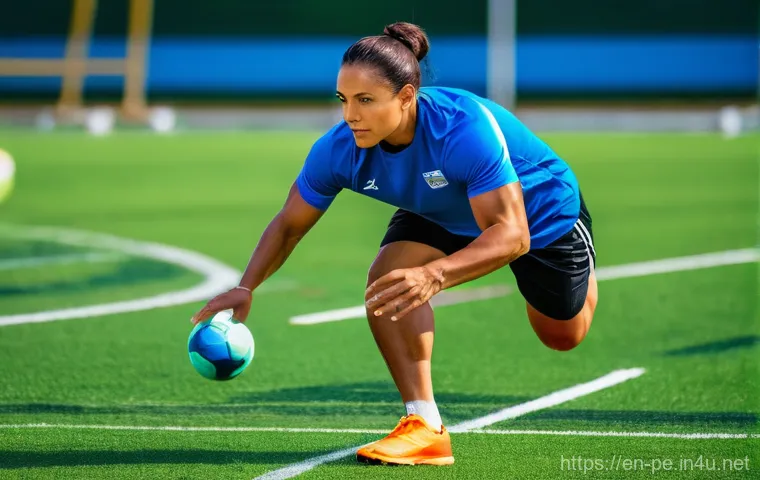
Recovery isn’t a linear climb; it’s more like a dance with your body. One day you feel fantastic and can push harder, the next you might feel sluggish or have a slight flare-up. This is where the art of progressive loading, and critically, deloading, comes into play. It’s about systematically increasing the demands on your body as it adapts and strengthens, but also knowing when to pull back and allow for recovery. I’ve found that working closely with my coaches on this has been invaluable. We’d set clear, measurable goals for each week, whether it was increasing my running distance, lifting heavier weights, or adding more intense sport-specific drills. But if I woke up feeling overly fatigued or experienced any new niggles, we wouldn’t hesitate to dial it back, incorporate an active recovery day, or switch to lower-impact activities. This flexibility and responsiveness are key. It’s not about sticking rigidly to a plan, but rather about adapting the plan to your body’s daily feedback. This strategic ebb and flow prevents plateaus, minimizes injury risk, and ultimately builds a stronger, more resilient you. It’s truly a testament to responsive and intelligent training.
Fueling Your Phoenix: Nutrition and Lifestyle for Peak Performance
Okay, let’s get real about something that often gets overlooked when we talk about injury recovery and return to sport: what you put into your body and how you live your life outside of training. I used to think of nutrition as just “fueling up” for a workout, and sleep as something I could skimp on. Boy, was I wrong! When I was rehabbing my knee, my nutritionist became just as important as my physical therapist. They explained how specific nutrients, like collagen for connective tissue repair or anti-inflammatory foods, could literally accelerate my healing process. It suddenly clicked that my plate wasn’t just about calories; it was about medicine, building blocks, and performance enhancers. And sleep? That’s when your body does its most crucial repair work! Ignoring these fundamental pillars is like trying to build a skyscraper on a shaky foundation. Modern return-to-sport protocols aren’t just about movement; they’re about optimizing your entire biological system. Integrating a focused nutritional strategy and prioritizing restorative lifestyle habits, like quality sleep and stress management, can dramatically enhance your recovery, boost your energy levels, and fortify your body against future injuries. It’s about creating an internal environment where healing and performance can truly thrive, giving you that extra edge on your comeback journey.
The Power Plate: Targeted Nutrition for Healing
When you’re recovering from an injury, your body’s nutritional demands change dramatically. It’s not just about eating “healthy”; it’s about eating *smart* and *specifically* for repair and regeneration. For example, during my Achilles tendonitis recovery, my nutritionist emphasized foods rich in Vitamin C for collagen synthesis, and protein for muscle repair, making sure I hit specific macronutrient targets daily. I also focused heavily on anti-inflammatory foods like berries, leafy greens, and omega-3 rich fish to help calm down internal inflammation. We even looked at supplements, like specific amino acids, to support tissue repair. It’s about providing your body with the exact building blocks it needs, right when it needs them most. Think of it as providing premium-grade materials for a major construction project. This targeted approach ensures that your body isn’t just surviving, but actively rebuilding and regenerating at an optimal pace. Trust me, paying attention to what’s on your plate can make a noticeable difference in how quickly and effectively you heal, impacting everything from reducing swelling to strengthening new tissue. It’s a fundamental, often underestimated, component of a successful comeback.
Rest, Recovery, and Mental Recharge
In our high-performance culture, “grind” is often glorified, but I’ve learned that true performance isn’t just about how hard you train; it’s about how effectively you recover. Especially during an injury comeback, rest and recovery are non-negotiable. I mean, quality sleep is literally when your body releases growth hormones and repairs muscle tissue. I found that aiming for 7-9 hours of uninterrupted sleep became as crucial as any rehab exercise. Beyond just sleep, active recovery, like gentle walks or foam rolling, helps improve blood flow and reduce soreness. And let’s not forget the mental side: stress can significantly impede healing. Incorporating mindfulness, meditation, or even just dedicating time to hobbies outside of sport can dramatically reduce stress levels and aid in overall recovery. It’s about creating a holistic recovery ecosystem. I started practicing short meditation sessions and found they not only helped with stress but also improved my focus during rehab exercises. It’s about giving your body and mind the space they need to heal and recharge, ensuring you return to your sport not just physically ready, but mentally refreshed and eager to perform. This holistic approach ensures sustainable success.
Setting Your Sights: Defining Success Beyond the Finish Line
After going through the emotional and physical rollercoaster of injury, the finish line – getting back to your sport – feels like the ultimate victory. And it absolutely is! But from my own experiences, I’ve come to realize that a truly successful return to sport isn’t just about stepping back onto the field or court. It’s about what comes *after* that. It’s about redefining what success means to you, pushing past your previous limits, and developing a deeper appreciation for your body and your capabilities. I vividly remember the day I finally played a full 90-minute soccer match after my knee surgery. That feeling of running, jumping, and competing without pain was exhilarating. But the real success wasn’t just playing; it was realizing how much more resilient I had become, how much more I understood my body, and how much more determined I was to prevent future injuries. This perspective shift is incredibly empowering. It moves you beyond simply “recovering” to actively “thriving” in your sport, often leading to a stronger, smarter, and more strategic version of yourself. It’s about leveraging the injury experience not as a setback, but as a springboard for unprecedented growth and peak performance. It’s about crafting a lasting narrative of triumph, not just a temporary comeback.
Reclaiming Your Edge: Performance Optimization Post-Injury
When you’re finally cleared to return to sport, the journey doesn’t end; it transitions into a new phase: performance optimization. It’s not just about getting back to your previous level, but about aiming to surpass it. I personally found that my injury forced me to address underlying weaknesses and inefficiencies in my movement patterns that I had previously ignored. With the guidance of my S&C coach, we used this as an opportunity to rebuild my foundation, enhance my biomechanics, and increase my overall athletic capacity. We focused on targeted strength training to fortify vulnerable areas, improved my core stability, and worked on agility drills that made me quicker and more reactive than before. This post-injury period is a golden opportunity to fine-tune your body and technique. It’s about translating all the hard work from rehab into tangible performance gains, reducing the risk of re-injury, and discovering new levels of strength and skill. Many athletes, myself included, find that they actually come back stronger and perform better *after* a well-managed return-to-sport program because they’ve built a more robust and intelligent athletic foundation.
Long-Term Injury Prevention and Athletic Longevity
The biggest takeaway from my injury experiences, and frankly, what I try to impress upon anyone going through similar struggles, is that the lessons learned during a comeback are invaluable for long-term athletic longevity. A truly successful return to sport program instills a mindset of proactive injury prevention. It’s about understanding your body’s limits, recognizing early warning signs, and maintaining a consistent regimen of prehab exercises, mobility work, and proper recovery. It’s not just about getting back for one season; it’s about extending your athletic career for years to come. I’ve personally integrated daily stretching and foam rolling, regular check-ins with my physio for ‘tune-ups,’ and a much more disciplined approach to sleep and nutrition. These aren’t just things I do when I’m injured; they’re integral parts of my routine now. This proactive approach helps build resilience, reduces the risk of future injuries, and ultimately allows you to continue enjoying the sports you love for much longer. It’s about protecting your passion and ensuring your body can keep up with your spirit of competition and adventure.
| Phase of Return to Sport | Key Focus Area | Typical Activities/Goals |
|---|---|---|
| Acute Healing & Protection | Pain & Swelling Management, Tissue Repair | Rest, Ice, Compression, Elevation, Gentle Mobility, Pain-Free Range of Motion |
| Foundational Rehabilitation | Restoring Basic Strength, Flexibility, & Proprioception | Therapeutic Exercises, Light Resistance Training, Balance Drills, Gait Retraining |
| Functional & Sport-Specific Training | Building Sport-Specific Strength, Power, Agility, & Endurance | Plyometrics, Agility Drills, Sprinting, Controlled Sport Drills, Gradual Increase in Intensity |
| Gradual Return to Play | Integration into Team Training, Controlled Scrimmages, Monitoring Performance | Partial Practice, Non-Contact Drills, Progressive Increase in Duration and Intensity of Play |
| Full Return to Competition | Resumption of Full Competitive Participation & Performance Optimization | Full Game Participation, Ongoing Strength & Conditioning, Injury Prevention Strategies |
Wrapping Things Up
So, there you have it – my complete take on making a comeback that truly lasts. Through my own ups and downs, I’ve learned that it’s about so much more than just patching up a physical injury; it’s a holistic journey that rebuilds you from the inside out. Embrace the process, trust your medical team, and truly listen to your amazing body. Your dedication now will undoubtedly lead to a stronger, smarter, and more resilient you, ready to conquer any challenge ahead. Here’s to your triumphant return!
Handy Tips You’ll Appreciate
1. Patience is Your Power Play: Resist the urge to rush back. Healing takes time, and respecting your body’s natural timeline is key to preventing re-injury. Trust the process, even when it feels slow.
2. Prioritize Your Sleep: Think of quality sleep as your ultimate recovery tool. Aim for 7-9 hours every night; it’s when your body repairs and rejuvenates, making it non-negotiable for a strong comeback.
3. Nourish from Within: Fuel your body with nutrient-dense foods that support healing – plenty of protein, anti-inflammatory fruits and vegetables, and healthy fats. Your diet is a powerful ally in recovery.
4. Strengthen Your Mind: Don’t neglect the mental game. Use visualization, mindfulness, and positive affirmations to rebuild confidence and overcome the fear of re-injury. A resilient mind is a strong foundation.
5. Lean on Your Support Crew: Build a diverse team of professionals – physical therapists, coaches, doctors, and even friends and family. Their expertise and emotional support are invaluable for a successful journey.
Key Takeaways
Returning from injury is a marathon, not a sprint. It demands a truly holistic approach that extends beyond just physical rehabilitation to encompass mental fortitude, smart technology utilization, a dedicated support team, and a profound understanding of your body’s unique signals. By prioritizing targeted nutrition, adequate rest, and a proactive mindset towards long-term prevention, you empower yourself not only to come back, but to come back better, stronger, and with a renewed passion for your sport. This journey is a chance to redefine your limits and build a foundation for lasting athletic success.
Frequently Asked Questions (FAQ) 📖
Q: What exactly is a “Return to Sport” (RTS) program, and how is it different from just regular physical therapy?
A: Oh, this is such a common question, and it’s where a lot of people get tripped up! Think of it this way: regular physical therapy is absolutely crucial for the initial healing phase.
It focuses on getting rid of the pain, restoring basic mobility, and building foundational strength after an injury or surgery. It’s like getting your car fixed so it can drive on the road again.
But a “Return to Sport” program? That’s the specialized, high-octane training that comes after that initial healing. From what I’ve seen and experienced, RTS goes way beyond just being “pain-free.” It’s a comprehensive, systematic, and often multidisciplinary approach specifically designed to get you back to your peak athletic performance and minimize the risk of re-injury.
We’re talking sport-specific drills, advanced strength and conditioning tailored to your exact demands, and objective testing that uses real data to ensure your body isn’t just healed, but truly ready for the intense, unpredictable movements of your sport.
It’s the difference between driving your car around the block and putting it on a race track!
Q: I’m physically feeling much better, but I’m still so scared of getting re-injured. Why is the mental side of recovery so important in these new programs?
A: I totally get this! That nagging fear of re-injury is a huge, often underestimated, hurdle for so many athletes. I’ve felt it myself – that split-second hesitation, that whisper of doubt when you’re about to make a crucial move.
Modern RTS programs recognize that physical recovery is only half the battle. Your mental and emotional state can seriously impact your performance and even increase your risk of re-injury if not addressed.
That’s why these programs incorporate psychological readiness as a vital component. We’re talking techniques like visualization, where you mentally rehearse successful plays, or goal-setting to build confidence step-by-step.
Some cutting-edge programs even use virtual reality to simulate game-like scenarios in a safe, controlled environment, helping you build trust in your body and overcome that anxiety.
It’s all about empowering you to trust your body again, so when you step back onto the field or court, your mind is as ready as your muscles. Your head needs to be as strong as your hamstrings, right?
Q: How do these “Return to Sport” programs actually help me come back stronger and not just “the same” as before my injury?
A: This is where the magic really happens, and it’s what truly excites me about the evolution of sports rehabilitation! The goal isn’t just to rewind time to pre-injury levels; it’s to use this opportunity to build a better you.
Based on what I’ve witnessed and the incredible advancements out there, modern RTS programs leverage a “holistic approach” and “data-driven insights” to identify and address weaknesses that might have contributed to your initial injury.
This means advanced diagnostic tools to pinpoint exactly where you need work, followed by highly individualized strength, conditioning, and neuromuscular re-education programs.
For example, they might use force plates to analyze your jumping mechanics or wearables to monitor muscle activity and fatigue levels, giving you and your team objective data to track progress.
By focusing on improving your biomechanics, enhancing agility, speed, and endurance through progressive, sport-specific exercises, and even integrating advanced recovery techniques, these programs essentially re-engineer your performance.
You’re not just healing; you’re actively optimizing your body, building greater resilience, and sharpening your skills, often coming back more robust and capable than you were before.
It’s truly a chance for an epic comeback!