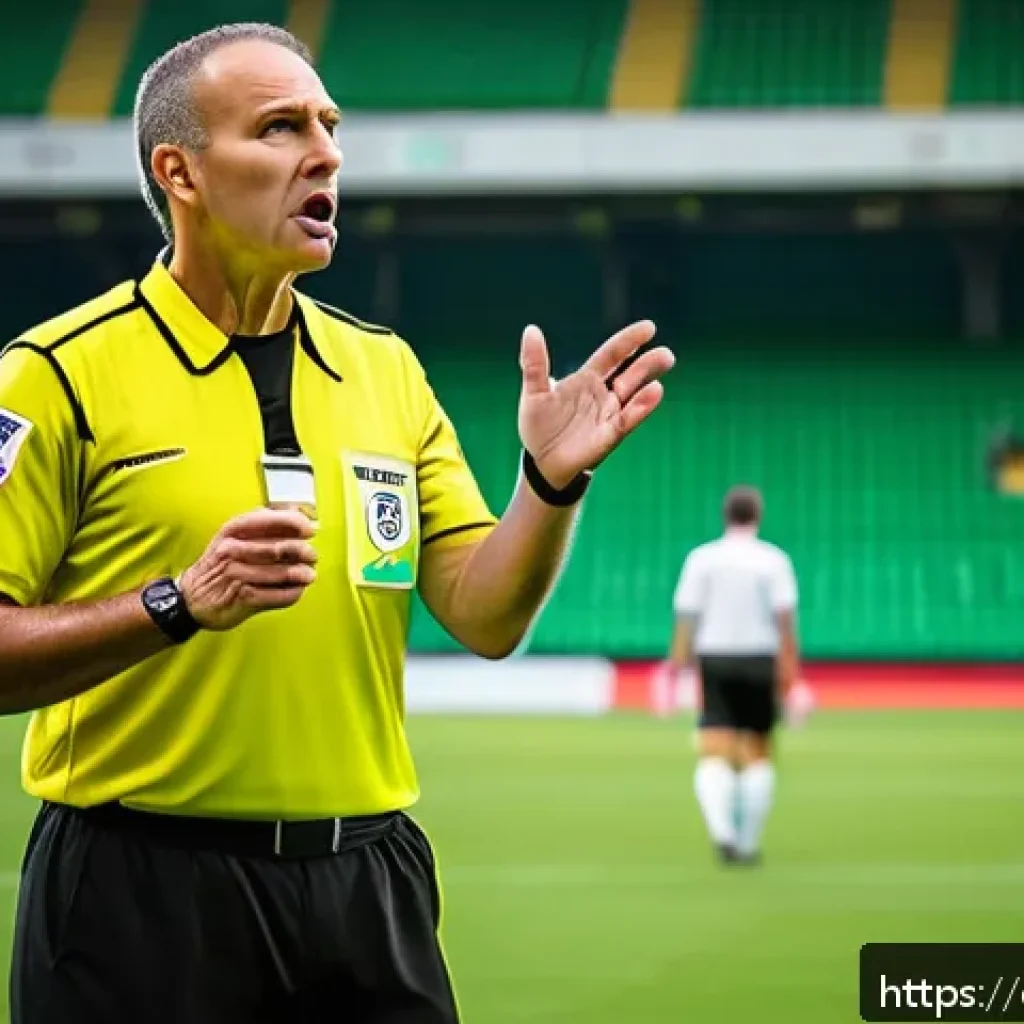
In the fast-paced world of sports, referees play an often underappreciated yet absolutely vital role in maintaining fairness and flow. As recent high-profile games have shown, their decisions can spark intense debate, highlighting just how crucial their presence is on the field.
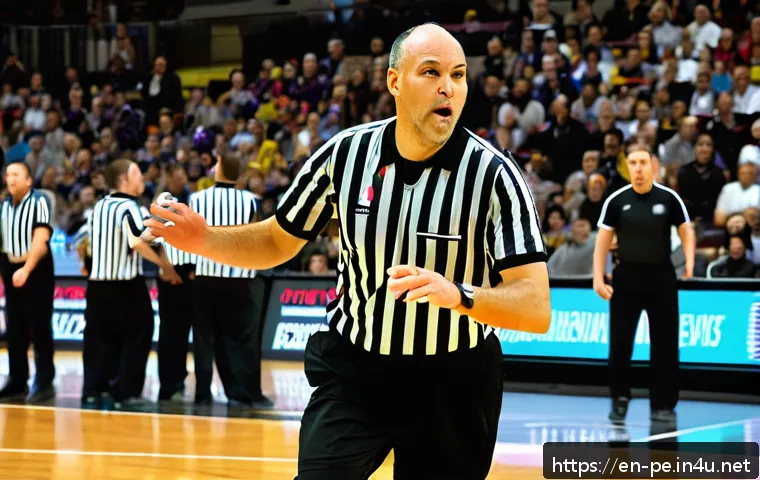
Whether it’s a nail-biting soccer match or a high-stakes basketball playoff, understanding the rules and responsibilities of referees adds a whole new layer to the excitement.
Join me as we dive into the fascinating world of sports officials and uncover what it truly takes to master the game from their perspective. This insight might just change how you watch your favorite sports forever.
The Subtle Art of Reading the Game
Anticipating Play to Stay One Step Ahead
The best referees I’ve watched don’t just react to what’s happening—they anticipate it. It’s almost like they’re playing a mental chess game, predicting players’ moves before they unfold.
This skill comes from countless hours of watching game footage, understanding player tendencies, and having an intuitive feel for the rhythm of the sport.
For example, in soccer, a referee might notice subtle body language signaling a potential foul or dive, allowing them to position themselves perfectly to make an informed call.
This proactive approach not only keeps the game flowing but also minimizes interruptions that frustrate fans and players alike.
Balancing Objectivity with Human Judgment
No matter how well-trained, referees are human, and their judgments sometimes walk a fine line between strict rule enforcement and situational understanding.
For instance, in basketball, a referee might let a slight physical contact slide during a fast break to maintain the game’s momentum, while calling a similar contact earlier in the game when tensions are lower.
This balance requires deep knowledge of the rulebook combined with an appreciation for the game’s spirit. Referees who master this balance earn respect from players and coaches, even when their calls are controversial.
Positioning as a Tactical Advantage
Where a referee stands on the field or court dramatically impacts their ability to see and interpret plays accurately. I’ve noticed in professional matches that referees constantly adjust their positioning to get the best angle, sometimes sprinting across the pitch or court just to avoid blind spots.
This isn’t random—it’s a calculated tactic to reduce errors. In fast-paced games like hockey or rugby, this movement is even more critical, as the action can switch directions in a split second.
Proper positioning helps referees maintain control, ensuring calls are based on the clearest possible view.
Communication Beyond the Whistle
Using Body Language to Command Respect
When a referee blows the whistle, it’s not just about stopping play—it’s a signal that commands attention. But beyond that sharp sound, referees use body language to assert authority and convey decisions clearly.
A firm stance, eye contact, and purposeful gestures can calm heated moments or clarify ambiguous calls. I’ve seen referees who avoid confrontation by using calm, non-threatening gestures that de-escalate player frustrations.
This subtle communication often prevents small disagreements from turning into full-blown disputes, preserving the game’s flow and fairness.
Verbal Clarity and Tone Control
The words a referee chooses and the tone they use can make a huge difference in how their decisions are received. Saying “Watch your step” in a friendly tone can feel like a helpful reminder, whereas a sharp “That’s a foul!” can ignite tempers.
I’ve personally witnessed referees who master this verbal nuance, using clear but neutral language that commands respect without provoking players or coaches.
This skill is especially crucial in high-stakes matches where emotions run high and every call is scrutinized.
Teamwork with Assistant Officials
Referees rarely work alone; they rely heavily on their assistants to cover blind spots and confirm calls. Effective communication between these officials often happens silently through hand signals and eye contact, but sometimes quick verbal exchanges are necessary.
I remember a basketball playoff game where the head referee and line judges flawlessly coordinated a complex out-of-bounds call, preventing confusion and ensuring the right decision was made under pressure.
This kind of seamless teamwork is the backbone of accurate officiating.
Mastering Technology Integration
Using Video Assistance Without Losing Flow
With the rise of Video Assistant Referee (VAR) and instant replay technologies, referees have new tools to enhance decision accuracy. However, integrating these tools without disrupting the game’s natural rhythm is a challenge.
From my experience watching games, the most skilled referees use technology sparingly, only calling for reviews in clear-cut situations. They communicate clearly with players and fans about the process, minimizing frustration.
It’s a delicate dance between tradition and innovation, but done right, it adds a layer of fairness without killing momentum.
Training for Tech-Savvy Officiating
Modern referees must be adept not only in physical and mental skills but also in handling technological equipment. Training now includes mastering replay systems, communication headsets, and even wearable sensors that track positioning.
I’ve talked to referees who spend hours practicing with these tools to avoid fumbling during live games. This blend of classic officiating wisdom with tech know-how is shaping the new generation of sports officials who can confidently navigate both the human and digital elements of the game.
Managing Fan Expectations Around Tech
Fans today expect transparency and accuracy from referees, especially when technology is involved. When a VAR decision takes too long or seems questionable, the crowd’s frustration can be palpable.
Referees who can communicate the reasons behind their tech-based decisions, sometimes even using stadium announcements or social media updates, help bridge this gap.
From what I’ve observed, this openness builds trust and reduces backlash, making fans feel more engaged and respected.
Physical and Mental Conditioning Beyond the Game
Endurance to Keep Up With Elite Athletes
Referees at the highest levels often run as much as the players themselves, sometimes covering 8 to 10 kilometers in a single match. This physical demand requires intense cardiovascular fitness and strength training.
I’ve seen referees incorporate interval training, agility drills, and strength workouts into their routines just to maintain the pace of professional games.
Without this conditioning, even the most knowledgeable referee could miss critical moments simply because they’re out of position or winded.
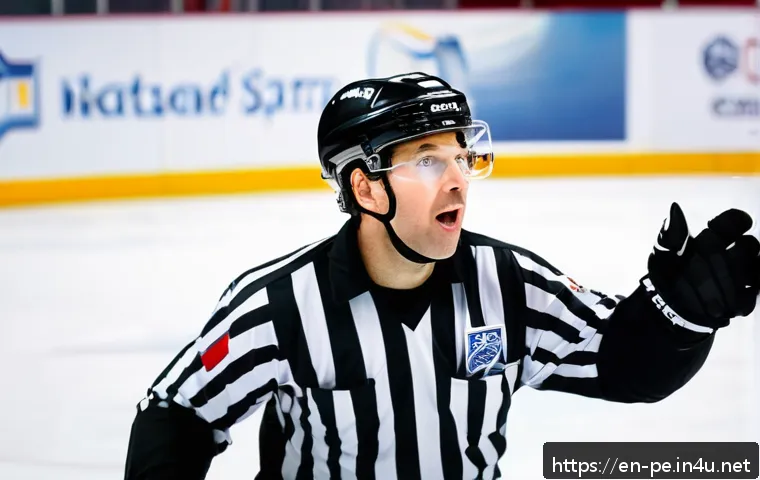
Building Mental Toughness Under Pressure
Handling constant scrutiny from players, coaches, and fans takes serious mental grit. I once heard a veteran referee describe how they mentally prepare by visualizing scenarios and developing coping strategies for hostile environments.
Maintaining focus despite jeers, sudden shifts in momentum, or controversial calls is essential. Meditation, breathing exercises, and mental rehearsals are becoming common tools referees use to stay calm and sharp in pressure-cooker moments.
Recovery and Injury Prevention
Just like athletes, referees face risks of injury, especially in contact sports. I’ve followed referees who invest heavily in recovery techniques such as physiotherapy, stretching routines, and nutrition plans to keep their bodies in peak condition.
Preventing injuries ensures they remain consistent and reliable throughout a grueling season. This behind-the-scenes care is often overlooked but is vital for longevity and performance at the top level.
Decoding the Rulebook: More Than Black and White
Contextual Interpretation of Rules
While rules provide a framework, their interpretation often depends on context. A handball in soccer during a defensive scramble isn’t judged the same as an intentional handball to stop a goal-scoring opportunity.
I’ve noticed referees applying this nuanced understanding to keep the game fair yet fluid. This flexibility requires deep experience and a strong sense of fairness, ensuring players don’t exploit loopholes while the game’s spirit remains intact.
Continuous Education and Rule Updates
Sports rules evolve to keep pace with changing play styles and safety concerns. Referees must stay updated through regular workshops, seminars, and testing.
I’ve seen referees discuss new rules among themselves eagerly, sharing interpretations and practical applications. This commitment to learning ensures that officiating standards remain high and consistent, which ultimately benefits the entire sporting community.
Handling Controversial Calls with Confidence
Every referee faces moments where their decisions will be questioned or criticized. What sets top officials apart is their confidence and clarity when making tough calls.
I’ve witnessed referees calmly explain their reasoning post-match in interviews, showing transparency and professionalism. This approach helps maintain respect and demonstrates that officiating is a thoughtful, principled role—not just arbitrary rule enforcement.
Table: Comparison of Referee Responsibilities Across Popular Sports
| Sport | Primary Responsibilities | Use of Technology | Physical Demands | Communication Style |
|---|---|---|---|---|
| Soccer | Enforce fouls, offsides, manage player conduct | VAR for goal/penalty decisions | High endurance, covering 10+ km | Whistle, cards, hand signals, calm verbal warnings |
| Basketball | Call fouls, violations, manage game flow | Instant replay for last-second calls | Agility and quick sprints | Verbal clarity, hand signals, whistle blasts |
| American Football | Spot fouls, manage complex plays | Replay review booth extensively used | Short bursts, positional movement | Hand signals, whistle, headset communication |
| Hockey | Monitor penalties, offsides, puck in/out of play | Video review for goals/penalties | High-intensity skating endurance | Whistle, hand signals, brief verbal commands |
| Rugby | Enforce tackles, offsides, scrum management | Television match official (TMO) support | Endurance and strength | Whistle, hand signals, verbal explanations |
The Emotional Landscape of Officiating
Handling Criticism and Public Scrutiny
Referees often find themselves in the hot seat, criticized by fans and analysts alike. From what I’ve experienced watching post-match discussions, referees who develop thick skin while remaining open to constructive feedback fare best.
It’s a tricky balance—ignoring toxic comments but learning from legitimate critiques. Some referees even engage with fans on social media thoughtfully, which helps humanize their role and build goodwill.
Building Rapport with Players and Coaches
Officiating isn’t just about rules—it’s about relationships. I’ve seen referees build mutual respect by being approachable, listening to concerns, and explaining calls when appropriate.
This doesn’t mean bending rules but fostering an environment where players feel heard. Such rapport often leads to smoother games with fewer disputes, showing that empathy is as important as enforcement.
Finding Passion Amidst Pressure
Despite the challenges, many referees share a deep passion for the sports they officiate. This love for the game fuels their dedication and resilience.
I once interviewed a retired official who said that every match, no matter how stressful, reminded them why they started—because they wanted to be part of the sport’s heartbeat.
That passion shines through in their commitment to fairness, professionalism, and continuous improvement.
In Conclusion
Officiating is an art that combines sharp anticipation, clear communication, and physical endurance. The best referees don’t just enforce rules—they understand the game’s rhythm and manage its emotional flow. Embracing technology and continuous learning ensures they stay ahead in an evolving sports landscape. Ultimately, passion and professionalism make all the difference in delivering fair and engaging contests.
Helpful Insights to Remember
1. Anticipating plays allows referees to position themselves optimally, reducing errors and keeping the game smooth.
2. Balancing strict rule enforcement with situational judgment earns respect and maintains the sport’s spirit.
3. Effective communication, both verbal and non-verbal, helps diffuse tensions and clarifies decisions.
4. Integrating technology like VAR or instant replay should enhance fairness without disrupting game flow.
5. Physical fitness and mental resilience are essential to keep up with elite athletes and handle pressure confidently.
Key Takeaways for Referees
Mastering officiating requires more than rule knowledge—it demands adaptability, clear communication, and emotional intelligence. Proactive positioning and anticipation reduce mistakes, while respectful interactions with players and coaches build trust. Embracing technology thoughtfully and investing in physical and mental conditioning ensures referees perform at their best. Above all, maintaining passion and professionalism under pressure shapes great officials who contribute positively to the sport’s integrity and excitement.
Frequently Asked Questions (FAQ) 📖
Q: uestions about Sports RefereesQ1: Why do referees sometimes make controversial decisions during important games?
A: Referees have to make split-second judgments under intense pressure, often with limited camera angles or obstructed views. Their primary goal is to enforce the rules fairly, but the fast pace of the game and human limitations mean mistakes can happen.
What’s crucial is their commitment to impartiality and consistency, which keeps the game moving and fair overall. From my experience watching live matches, even the best referees occasionally face tough calls that spark debate—but that’s part of the sport’s drama.
Q: How do referees prepare to officiate high-stakes matches?
A: Referees undergo rigorous physical training to keep up with athletes and detailed study of the latest rule changes. They also review game footage to analyze common scenarios and work closely with assistant referees to improve communication.
Before big games, mental preparation is key—they focus on staying calm and confident, knowing their decisions can impact the outcome. I’ve read interviews where referees emphasize how much focus and resilience this role demands, which often goes unnoticed by fans.
Q: Can understanding referee responsibilities enhance how fans enjoy sports?
A: Absolutely. Knowing what referees have to monitor—like fouls, offside rules, or time management—adds depth to watching any game. It shifts your perspective from just rooting for a team to appreciating the complex balance referees maintain to keep the contest fair and exciting.
Personally, after learning more about their challenges, I find myself more patient and respectful during contentious moments, which makes the whole viewing experience richer and less frustrating.