Lately, wellness trends have been buzzing with the debate between Yoga and Pilates, each promising unique benefits for both mind and body. Whether you’re aiming to boost flexibility, build core strength, or find mental calm, choosing the right practice can feel overwhelming.
Having tried both myself, I know how transformative each can be depending on your goals. In this post, we’ll dive into the key differences and help you decide which path aligns best with your personal wellness journey.
Stick around—you might just discover the perfect fit to elevate your health and happiness.
Understanding the Foundations of Movement
The Core Philosophy Behind Each Practice
Yoga and Pilates both emphasize body awareness, but their origins and intentions differ greatly. Yoga, rooted in ancient Indian philosophy, integrates physical postures with breath control and meditation, aiming to unify mind, body, and spirit.
Pilates, developed in the 20th century by Joseph Pilates, focuses primarily on strengthening the core muscles to improve posture, flexibility, and overall body conditioning.
When I first explored these practices, I noticed yoga felt more like a moving meditation, encouraging introspection, while Pilates was more about precise muscle engagement and alignment.
This fundamental difference shapes how each practice influences your physical and mental health.
Movement Styles and Techniques
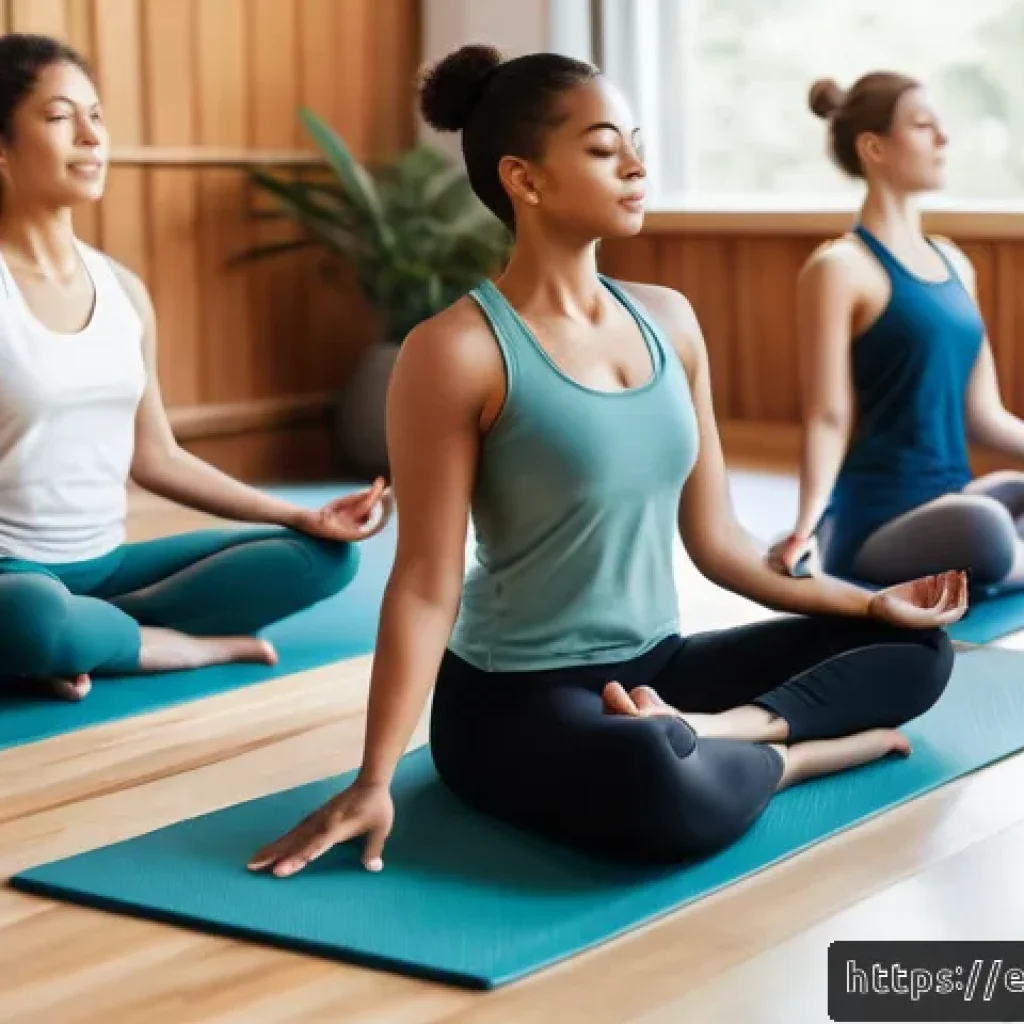
Yoga typically involves flowing sequences or holding static poses that stretch and strengthen muscles while promoting relaxation. It often requires adapting postures to suit individual flexibility and balance levels.
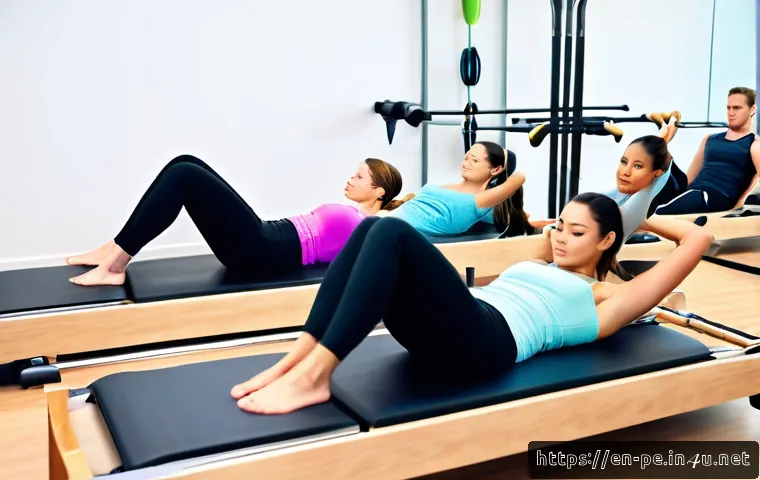
Pilates, on the other hand, emphasizes controlled, repetitive movements that target deep muscles, especially in the abdomen and lower back. The use of specialized equipment like reformers adds resistance and variety, which I found particularly helpful for building strength without bulk.
Both methods improve flexibility, but yoga tends to encourage a wider range of motion, whereas Pilates hones in on stability and muscular control.
Breathing Patterns and Their Effects
Breathwork plays a crucial role in both practices but in distinct ways. Yoga incorporates various pranayama techniques, focusing on deep, rhythmic breathing to calm the nervous system and enhance energy flow.
While practicing yoga, I often felt my mind slowing down, a direct result of this breath-mind connection. Pilates uses a specific breathing method—lateral thoracic breathing—that supports core engagement and helps maintain spinal stability during exercises.
This breathing style felt more functional and performance-oriented to me, aiding in muscle activation and endurance.
Physical Benefits Beyond Flexibility
Strength and Muscle Tone
Pilates is renowned for sculpting and strengthening the core muscles, which include the abdominals, lower back, hips, and glutes. From personal experience, I noticed a remarkable improvement in my posture and reduced lower back discomfort after consistent Pilates sessions.
Yoga, while also building strength, targets a broader muscle spectrum through weight-bearing postures like planks and warrior poses. This full-body approach not only tones muscles but also improves balance and coordination.
Depending on your fitness goals, Pilates might be the better choice for core-focused strength, while yoga offers a more holistic muscular engagement.
Enhancing Flexibility and Joint Health
Flexibility is a hallmark benefit of yoga due to its extensive stretching sequences. I found that regular yoga practice gradually loosened tight areas like hips and hamstrings, which had felt stubbornly stiff before.
Pilates also improves flexibility but in a more functional way, emphasizing controlled lengthening of muscles while maintaining strength. Additionally, Pilates exercises often promote joint stability, which can prevent injuries by strengthening the muscles around vulnerable joints.
Both practices contribute to healthier movement patterns, but yoga leans more toward increasing range of motion.
Improving Posture and Alignment
One of the standout benefits I gained from Pilates was a noticeable correction in posture. The focus on core strength and spinal alignment helps counteract the effects of prolonged sitting or poor ergonomic habits.
Yoga also supports posture correction but does so by releasing tension and encouraging mindful body awareness. For instance, poses that open the chest and stretch the back muscles can alleviate rounded shoulders.
Combining both practices can be a powerful way to achieve balanced posture and reduce chronic discomfort.
Mental Wellness and Stress Management
Mindfulness and Meditation Elements
Yoga’s deep connection to mindfulness and meditation makes it particularly effective for stress reduction. I often ended my yoga sessions with a few minutes of guided relaxation or silent meditation, which left me feeling calmer and more centered.
The slow, deliberate movements paired with breath awareness help quiet the mind and release tension. Pilates, while less focused on meditation, encourages concentration on body mechanics and breathing, which can also promote mental clarity and reduce anxiety, albeit in a more task-oriented way.
Energy Levels and Mood Enhancement
Practicing yoga regularly boosted my energy throughout the day, thanks to the combination of gentle stretching and breath control. It felt like a reset button for my nervous system, especially on stressful days.
Pilates workouts, with their emphasis on muscular engagement, gave me a sense of accomplishment and invigoration. The precise, controlled nature of Pilates helped me channel energy positively, which was great for motivation and mood.
Both practices can uplift mental well-being, but the route they take—whether through relaxation or activation—differs.
Building a Sustainable Mind-Body Connection
Sustainability in wellness comes from practices that keep you engaged and feeling balanced. Yoga’s holistic approach nurtures a long-term connection to your body and mind, encouraging self-compassion and patience.
Pilates cultivates body awareness through meticulous form and control, fostering respect for physical limits and strengths. From my experience, combining these two methods or alternating between them helped me maintain enthusiasm and benefit from both relaxation and strength-building aspects.
Practical Considerations for Choosing Your Practice
Accessibility and Learning Curve
Yoga studios and online classes are widely available, with options ranging from beginner-friendly to advanced. Its adaptability makes it accessible regardless of fitness level or age.
Pilates may require more specialized instruction, especially when using equipment like reformers, which can mean higher costs or limited availability.
Initially, I found Pilates technique slightly more challenging to master due to the precision required, but once familiar, it became a deeply rewarding practice.
Time Commitment and Frequency
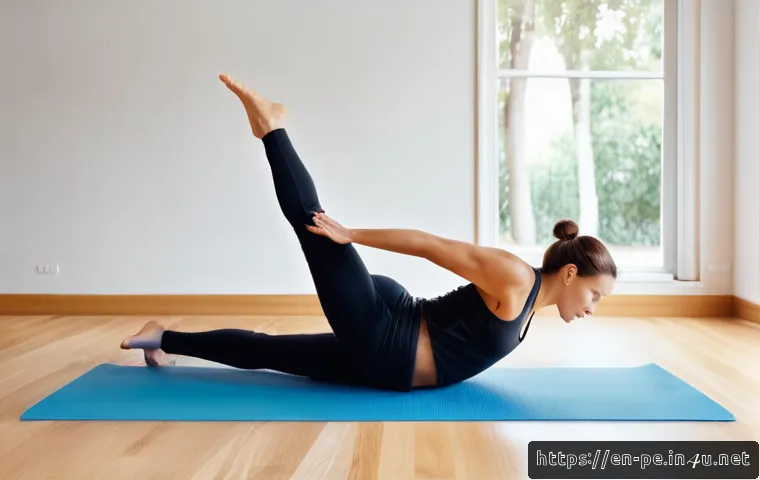
Yoga sessions can vary widely in length, from quick 15-minute flows to hour-long classes, making it easier to fit into a busy schedule. Pilates workouts often demand focused sessions of at least 45 minutes for meaningful results, especially if using machines.
Personally, shorter yoga sessions worked well for daily practice, while Pilates felt best when scheduled two to three times a week for strength gains.
Your lifestyle and time availability might steer your choice accordingly.
Cost and Equipment Needs
Yoga generally requires minimal equipment—just a mat and comfortable clothing—making it a cost-effective wellness option. Pilates, particularly classical Pilates, often involves specialized apparatus that can increase the initial investment.
However, mat-based Pilates classes are also widely available and less expensive. Considering my budget and preferences, I started with mat Pilates and gradually incorporated equipment-based sessions as I progressed.
Comparing Yoga and Pilates: A Quick Reference Guide
| Aspect | Yoga | Pilates |
|---|---|---|
| Origin | Ancient Indian philosophy | 20th-century physical fitness method |
| Primary Focus | Mind-body-spirit integration | Core strength and muscular control |
| Movement Style | Flowing sequences and static holds | Controlled, repetitive movements |
| Breathing Technique | Pranayama (varied breath control) | Lateral thoracic breathing |
| Mental Benefits | Mindfulness, stress reduction | Concentration, body awareness |
| Equipment | Minimal (mat) | Mat and specialized machines |
| Flexibility Emphasis | High | Moderate |
| Strength Emphasis | Full-body, moderate | Core-focused, high |
Integrating Practices for Holistic Wellness
Complementary Benefits of Combining Yoga and Pilates
Rather than choosing one over the other, many find that blending yoga and Pilates creates a well-rounded fitness routine. Yoga’s emphasis on flexibility and relaxation can balance Pilates’ strength and precision training.
From my experience, alternating between the two helped me avoid burnout and kept my workouts exciting. For instance, I might start the week with Pilates to build core power, then flow into yoga midweek to stretch and unwind.
Tailoring to Personal Goals and Preferences
Your decision can depend heavily on what you want to achieve—whether it’s improving posture, enhancing mental calm, or boosting athletic performance. I recommend trying beginner classes of both to see which resonates more with your body and mind.
Some days I crave the meditative calm of yoga, while others I want the focused challenge of Pilates. Listening to your body’s signals is key.
Finding the Right Instructor and Environment
A skilled teacher can make all the difference in your practice. When I started, finding instructors who understood my needs and provided clear, personalized guidance was crucial.
Whether you prefer in-person classes or online sessions, look for instructors with good credentials and positive reviews. The right environment fosters motivation, safety, and enjoyment, making your wellness journey sustainable.
Long-Term Impact on Lifestyle and Wellbeing
Developing Consistency and Habit
Both yoga and Pilates encourage regular practice, which is essential for lasting benefits. I found that building a habit around either practice required patience and flexibility in scheduling.
Setting realistic goals and celebrating small improvements helped me stay committed. Over time, these sessions became moments of self-care rather than just workouts.
Improving Body Awareness and Injury Prevention
One of the most profound changes I noticed was an increased awareness of my body’s alignment and movement patterns. This awareness translated into better posture during daily activities and reduced the risk of injuries.
Pilates’ focus on controlled movements complemented yoga’s holistic approach, creating a safer and more mindful way to stay active.
Enhancing Overall Quality of Life
Ultimately, engaging in either or both of these practices contributed significantly to my overall well-being. Beyond physical health, the mental clarity and emotional balance I gained helped me navigate stress and challenges more gracefully.
Whether it’s the calming breath of yoga or the empowering strength from Pilates, both offer powerful tools for a healthier, happier life.
In Conclusion
Both yoga and Pilates offer unique paths to improving your physical and mental well-being. Whether you seek flexibility, strength, or mindfulness, integrating elements from both can enrich your fitness journey. Finding what resonates with your body and lifestyle is key to long-term success and enjoyment. Embrace the process and listen to your own needs as you explore these empowering practices.
Useful Information to Keep in Mind
1. Starting with beginner-friendly classes helps build a strong foundation and prevents injury.
2. Consistency is more important than intensity—regular short sessions often yield better results.
3. Proper breathing techniques enhance the effectiveness of both yoga and Pilates.
4. Investing in quality instruction, whether online or in-person, greatly improves your practice.
5. Combining yoga and Pilates can create a balanced routine that supports both relaxation and strength.
Key Takeaways
Understanding the distinct benefits and approaches of yoga and Pilates allows you to tailor your fitness plan to your personal goals. While yoga emphasizes holistic mind-body integration and flexibility, Pilates focuses on core strength and muscular control. Accessibility, time commitment, and equipment needs vary, so consider these practical factors when choosing your practice. Ultimately, the best choice is one that keeps you motivated, safe, and connected to your body.
Frequently Asked Questions (FAQ) 📖
Q: What are the main differences between Yoga and Pilates in terms of physical benefits?
A: Yoga primarily focuses on flexibility, balance, and overall body awareness through a series of poses combined with breath control and meditation. It often emphasizes relaxation and stretching, which can help reduce stress and improve joint mobility.
Pilates, on the other hand, centers on building core strength, improving posture, and enhancing muscle tone through controlled, precise movements. If your goal is to develop a strong, stable core and improve muscle endurance, Pilates might be more suitable.
For increased flexibility and a calming mind-body connection, yoga could be the better choice.
Q: Can beginners practice both Yoga and Pilates safely, and how should they start?
A: Absolutely! Both Yoga and Pilates are beginner-friendly, but starting with guided classes—either in-person or online—is key to learning proper form and avoiding injury.
For Yoga, beginners often start with gentle styles like Hatha or Restorative Yoga to build confidence and flexibility gradually. Pilates beginners should focus on foundational exercises that emphasize core engagement and controlled breathing.
Personally, I found that mixing both helped me stay motivated; I started Pilates to strengthen my core and added yoga to unwind and stretch after workouts.
Always listen to your body and progress at your own pace.
Q: Which practice is better for mental health and stress relief?
A: Both Yoga and Pilates offer mental health benefits, but they do so in slightly different ways. Yoga incorporates meditation, mindfulness, and deep breathing techniques that promote relaxation and reduce anxiety, making it especially effective for stress relief.
Pilates also encourages focus and body awareness, which can help clear the mind and improve concentration, but it’s generally more physically intense.
From my experience, when I needed mental calm and emotional balance, yoga was my go-to. However, combining Pilates for physical release with yoga for mental peace created a balanced wellness routine that truly supported my overall well-being.