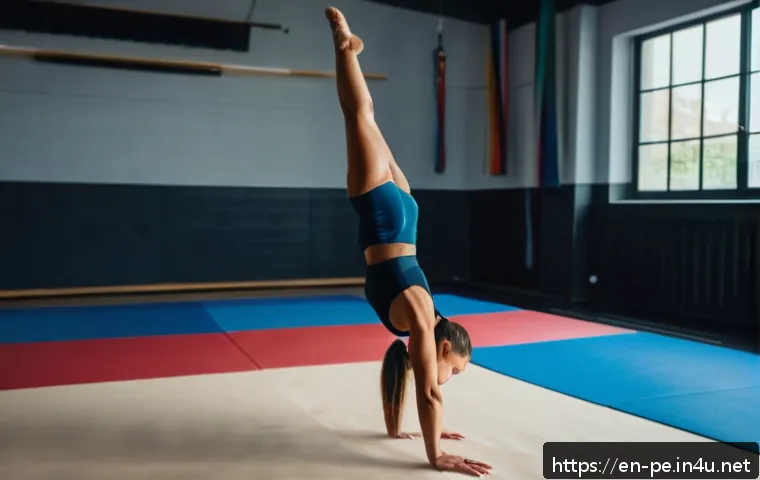
Hey there, fitness enthusiasts! Ever scroll through social media, totally amazed by those incredible athletes moving their bodies with such effortless grace and power?
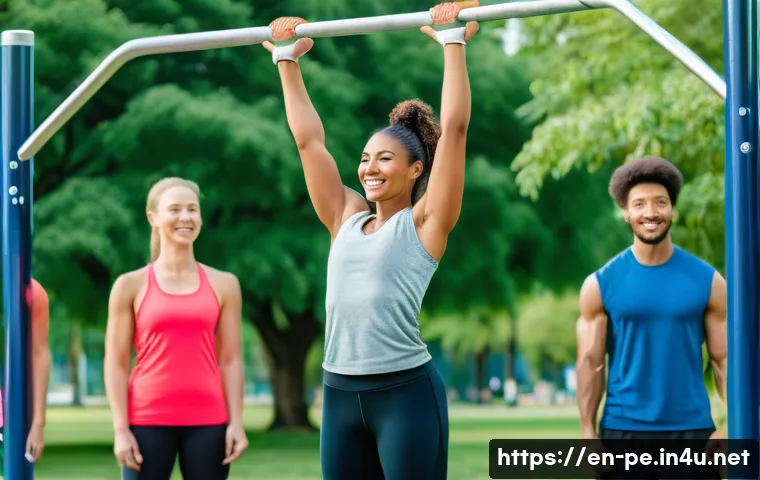
You know, the ones who seem to defy gravity with just their own strength? For years, I found myself thinking, “How do they do that?” and honestly, I was a bit intimidated by the idea of building that kind of body control.
But what if I told you that tapping into your full physical potential doesn’t require a pricey gym membership or complicated machines, and it’s actually becoming the hottest trend for 2025?
I’m talking about calisthenics, the art and science of mastering your bodyweight. It’s truly experiencing a massive comeback, evolving far beyond just push-ups and sit-ups.
We’re seeing a huge shift towards “smart calisthenics” with data-driven training and a strong focus on hybrid approaches that blend raw strength with crucial mobility, ensuring longevity and injury prevention.
From what I’ve personally experienced and observed, people are craving a more functional, accessible, and community-driven approach to fitness, and calisthenics delivers exactly that.
It’s about building strength that actually helps you in everyday life, not just for show. The mental toughness and confidence you gain from mastering a new move?
Unbeatable. This isn’t just a fleeting fad; it’s a sustainable path to feeling incredibly strong and agile. Ready to unlock that inner athlete and join a movement that’s transforming fitness?
Let’s dive right into how you can start mastering your own body, today.
Why I Ditched the Gym for Bodyweight Bliss
You know, for years, I was that person. The one who’d sign up for a pricey gym membership every January, full of good intentions, only to find myself doing the same old routine, feeling uninspired, and eventually just… stopping. I’d look at all the fancy machines and think, “Is this really making me *me* stronger, or just making *that machine* stronger?” It felt like a constant battle against boredom and the never-ending monthly fee. I started wondering if there was a way to build true, functional strength without all the fuss and financial drain. What I found was a revelation that completely transformed my fitness journey, and honestly, my entire perspective on what my body is capable of.
The Cost-Benefit Analysis of Free Movement
Let’s be real, the cost of fitness can add up. Between gym memberships, specialized classes, and all the gear, it feels like you need a second mortgage just to get in shape. But here’s the kicker: with calisthenics, your gym is literally anywhere you are. My living room, a local park, even a sturdy tree branch can become my entire workout setup. Think about the money you save not just on membership fees, but on gas to drive to the gym, fancy protein shakes you might feel pressured to buy there, or even specific workout attire for different classes. It’s liberating! The ‘cost’ becomes your commitment and willingness to learn, and the ‘benefit’ is an incredibly strong, agile body that you built with nothing but your own determination. When I think about it, switching to calisthenics felt like unlocking a cheat code for fitness, where the only currency is effort.
From Intimidation to Empowerment: My Journey
I won’t lie, when I first started seeing those incredible human flag or planche videos, I was totally intimidated. It looked impossible, like something only a superhero could achieve. My initial push-ups were shaky, my pull-ups were non-existent, and don’t even get me started on trying to hold a plank for more than 30 seconds. But what truly drew me in was the sheer accessibility of it. There were no complex instructions for machines I didn’t understand. It was just me and my body. I started small, focusing on perfecting the basics – a proper push-up, a controlled squat, hanging from a bar. And the coolest part? I saw progress, real progress, every single week. That feeling of finally nailing a full pull-up, or holding a handstand against a wall for a few seconds longer, was infinitely more rewarding than lifting a heavier weight on a machine. It wasn’t about impressing anyone; it was about proving to myself what I could do. That shift from intimidation to genuine empowerment? Priceless.
Beyond the Basics: Unlocking Your Inner Powerhouse
So, you’ve mastered the humble push-up and can crank out a few good squats. Fantastic! But the real magic of calisthenics, what makes it so endlessly engaging and challenging, is its incredible depth. This isn’t just about doing endless reps of the same exercise. It’s about a systematic progression that takes you from fundamental movements to truly jaw-dropping feats of strength and control. I remember hitting a plateau with my regular push-ups and thinking, “Okay, what’s next?” That’s when I discovered the world of variations and advanced movements, and it was like a whole new universe opened up. It’s not just about brute strength; it’s about understanding leverage, balance, and how your body works as a cohesive unit. This is where you truly start to feel like an athlete, not just someone going through the motions.
Mastering the Fundamentals: More Than Just Push-ups
While the basic exercises are your bread and butter, mastering them means more than just being able to do a lot of them. It means performing them with perfect form, engaging the right muscles, and controlling every single part of the movement. For instance, a ‘perfect’ push-up isn’t just getting your chest to the floor; it’s keeping your core tight, elbows tucked, and pushing through your entire hand, not just your wrists. I used to rush through reps, thinking more was better, but I quickly learned that quality absolutely trumps quantity in calisthenics. Taking the time to really feel each muscle working, to understand the contraction and extension, is what builds the foundational strength necessary for more advanced moves. This intentionality not only prevents injuries but also creates a much stronger, more resilient body. It’s like learning the alphabet perfectly before you try to write a novel – essential for long-term success.
Progressive Overload: The Smart Way to Get Stronger
One common misconception I hear is, “How do you get stronger with just your bodyweight?” People assume you need heavier plates to progress. But calisthenics has its own sophisticated system of progressive overload! It’s not about adding weight, but about increasing difficulty. Think about it: once you master a regular push-up, you can move to decline push-ups (feet elevated), then pseudo planche push-ups, then one-arm push-ups. Each step requires more strength, stability, and control. The same applies to pull-ups, squats, and core work. You can change leverage, add instability, reduce points of contact, or increase time under tension. This continuous challenge keeps your muscles adapting and growing. It’s a bit like a puzzle, constantly figuring out how to make a movement harder without adding external resistance. This methodology has consistently pushed my limits and shown me that my body is an incredibly adaptable and powerful tool.
The Secret Sauce: Where Mobility Meets Strength
If there’s one thing I’ve truly come to appreciate in my calisthenics journey, it’s the undeniable link between raw strength and fluid mobility. You can have all the muscle in the world, but if you can’t move freely, if your joints are stiff, or if your range of motion is limited, then what’s the point? I used to think of stretching as a chore, something to grudgingly do at the end of a workout, if I remembered. But oh, how my perspective has changed! In calisthenics, mobility isn’t just an add-on; it’s interwoven into every single movement and is absolutely crucial for both performance and, more importantly, longevity. It’s about building a body that doesn’t just look strong, but feels strong, supple, and capable of anything you ask of it, whether that’s hitting a perfect L-sit or simply reaching for something on a high shelf without a creak.
Injury Prevention Isn’t an Afterthought, It’s Essential
No one wants to be sidelined by an injury, especially when you’re making amazing progress. What I’ve found with calisthenics is that the focus on controlled movements and full range of motion inherently builds stronger joints, tendons, and ligaments. Unlike lifting heavy weights where poor form can quickly lead to acute injuries, calisthenics often gives you more feedback from your body, allowing you to adjust before serious damage occurs. But beyond that, actively working on your mobility – incorporating dynamic stretches, joint rotations, and flexibility exercises – is a game-changer for injury prevention. It’s about creating resilient tissues that can handle the demands of challenging movements. I personally dedicate time before and after my workouts to mobility drills, ensuring my shoulders are primed for pull-ups or my hips are open for deep squats. It’s a proactive approach that ensures I can keep training hard and consistently, without unexpected setbacks.
Feeling Good in Your Body: The Agility Advantage
Beyond preventing injuries, enhanced mobility brings a whole new level of comfort and capability to your everyday life. Have you ever noticed how some people just seem to move with an effortless grace? That’s agility, and it comes directly from a combination of strength, flexibility, and coordination. Mastering movements like pistol squats or even just holding a stable crow pose requires not just muscle, but incredible balance and proprioception – your body’s awareness of its position in space. I’ve personally experienced a massive improvement in my posture, my ability to move through my day without stiffness, and even my reaction time. It’s like my body has become more intelligent, more responsive. This isn’t just about looking good; it’s about feeling incredibly competent and agile in your own skin, ready for whatever life throws at you, whether it’s chasing after a runaway pet or just effortlessly getting up off the floor.
Fueling Your Progress: More Than Just Reps
Alright, let’s talk about something incredibly important that often gets overlooked in the excitement of nailing a new move: what you put into your body. You can train like an absolute beast, pushing your limits every single day, but if your nutrition isn’t dialed in, you’re essentially trying to run a race on an empty tank. I learned this the hard way, thinking I could just out-train a less-than-stellar diet. Spoiler alert: you can’t! What you eat provides the building blocks for muscle repair and growth, the energy for your workouts, and the nutrients to keep your entire system running optimally. It’s not about restrictive diets or deprivation; it’s about smart choices that support your goals and keep you feeling energized, not drained. Think of your body as a high-performance engine – you wouldn’t fill a sports car with cheap, low-grade fuel, would you? The same principle applies here.
Nutrition as Your Unsung Training Partner
For me, shifting my mindset around food was revolutionary. Instead of seeing food as just something to satisfy hunger or a quick treat, I started viewing it as a powerful tool, an essential part of my training regimen. Prioritizing lean proteins (think chicken, fish, legumes), complex carbohydrates (oats, sweet potatoes, whole grains) for sustained energy, and healthy fats (avocado, nuts) became second nature. And let’s not forget plenty of fruits and veggies for those vital micronutrients and antioxidants! It’s not about being rigid, but about making conscious choices most of the time. When I started truly fueling my body, I noticed a significant difference in my recovery, my energy levels during workouts, and even my mental clarity. My muscles felt less fatigued, my sessions were more productive, and I just felt all-around better. It’s like having a silent, but incredibly effective, training partner guiding you toward your goals.
The Power of Rest: Why Recovery is Key
This one used to be my biggest struggle. I’m naturally wired to go, go, go, always pushing for more. But just like with nutrition, I quickly learned that intense training without adequate rest is a recipe for burnout and injury. Our muscles don’t grow during the workout itself; they grow and repair during periods of rest and sleep. Skimping on sleep is like trying to charge your phone with a broken charger – it’s just not going to work efficiently. I aim for 7-9 hours of quality sleep every night, and I’ve noticed a profound difference in my physical performance and mood. Beyond sleep, incorporating active recovery days (light stretching, walking) and listening to my body when it needs a full rest day has been crucial. It’s counterintuitive to some, but taking a day off actually helps you come back stronger and more focused. Recovery isn’t laziness; it’s a vital, non-negotiable part of the training process, allowing your body to adapt and rebuild so you can keep making those incredible gains.
Building Your Tribe: The Community That Lifts You Up
One of the most surprising and enriching aspects of my calisthenics journey has been discovering the incredible community surrounding it. When I first started, I thought it would be a solitary pursuit – just me, myself, and my pull-up bar. But I quickly realized that there’s a vibrant, supportive, and incredibly inspiring global network of people passionate about bodyweight training. This isn’t just about finding workout buddies; it’s about connecting with individuals who share your drive, who celebrate your successes, and who genuinely understand the unique challenges and triumphs of mastering your own body. This sense of belonging has been a huge motivator for me, providing a constant source of inspiration and accountability. It truly feels like a global family, and I’m so grateful to be a part of it.
Finding Your People: Online and Offline Support
The beauty of the calisthenics community is its accessibility, both online and in real life. Online, you’ll find countless forums, subreddits, Instagram accounts, and YouTube channels dedicated to bodyweight fitness. I’ve spent hours poring over tutorials, connecting with other enthusiasts, and sharing my own progress videos (a little nerve-wracking at first, but incredibly rewarding!). It’s amazing to get feedback, tips, and encouragement from people all over the world. Offline, many cities have calisthenics parks and groups that meet regularly. Look for local meetups, or even just strike up a conversation with someone you see doing pull-ups at the park. I’ve made some fantastic friends through these connections, and having a real-life training partner who pushes you and cheers you on is invaluable. It transforms your workout from a solitary grind into a fun, shared experience.
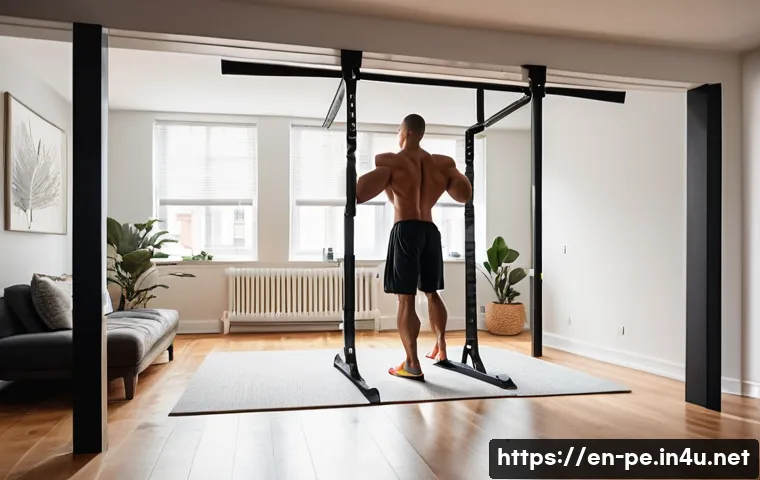
The Motivation Factor: You’re Not Alone
Let’s face it, motivation can ebb and flow. There are days when getting started feels like climbing Mount Everest. But knowing that you’re part of a larger community, that there are countless others on a similar path, can be incredibly powerful. Seeing someone else achieve a move you’re working towards isn’t discouraging; it’s inspiring! It shows you what’s possible and ignites that fire within you. And when you hit a wall, knowing you can ask for advice, share your frustrations, and get genuine encouragement from people who’ve been there, makes all the difference. This collective energy is a huge secret weapon in calisthenics. We’re all pushing each other to be better versions of ourselves, and that shared sense of growth and accomplishment is truly something special. It reminds you that even on your toughest days, you’re never truly alone in your pursuit of strength and mastery.
Smart Calisthenics: Data-Driven Gains and Hybrid Approaches
If you thought calisthenics was all about just mindlessly doing reps, think again! The fitness landscape, including bodyweight training, is evolving at an incredible pace, and “smart calisthenics” is where it’s at for 2025. This isn’t just a buzzword; it’s a strategic approach that integrates data, personalized insights, and intelligent programming to optimize your progress. We’re moving beyond guesswork and embracing a more scientific, results-oriented methodology. For someone like me who loves seeing tangible progress, this has been a game-changer. It means understanding *why* certain exercises work, *how* your body responds, and *what* adjustments you need to make to keep those gains coming. It’s about working smarter, not just harder, and truly maximizing every single training session.
Tracking Your Progress: Smarter, Not Harder
Gone are the days of just vaguely remembering how many push-ups you did last week. Smart calisthenics leverages technology and simple tracking methods to give you clear, actionable data. I use a simple notebook and a few apps on my phone to log my sets, reps, holds, and even how I felt during the workout. This isn’t about being obsessive; it’s about having a clear picture of your progress. Did I do more reps this week? Did my hold time increase? Am I resting less between sets? This data allows me to identify trends, pinpoint areas where I need to improve, and celebrate those small victories that add up to big results. It’s incredibly motivating to look back and see how far you’ve come, and it helps you design your next workout with purpose, rather than just winging it. This data-driven approach removes the guesswork and keeps you accountable to your own goals.
Blending Worlds: When Bodyweight Meets Weights
While I’m a huge advocate for pure bodyweight training, the beauty of “smart calisthenics” in 2025 is its open-mindedness to hybrid approaches. This isn’t about abandoning bodyweight; it’s about strategically incorporating other modalities to enhance your calisthenics performance and address specific weaknesses. For example, some people might find that adding weighted dips or pull-ups with a vest helps them build strength faster for more advanced bodyweight moves. Others might use kettlebells for explosive power that translates directly to dynamic calisthenics. I’ve personally experimented with adding some light resistance band work for specific muscle activation that I sometimes struggle to isolate with just bodyweight. It’s about intelligent integration, not a complete overhaul. This flexible mindset allows you to draw from various fitness disciplines, creating a truly customized and incredibly effective training program that plays to your strengths and shores up any areas that need a little extra love. It’s all about finding what complements your bodyweight journey best.
| Aspect | Traditional Gym Workout | Calisthenics (Bodyweight Training) |
|---|---|---|
| Equipment Needed | Machines, free weights, benches (often requires gym membership) | Minimal or no equipment (body, floor, pull-up bar, resistance bands) |
| Cost | Monthly membership fees, personal trainer costs, specialized gear | Low to no cost, one-time investment in minimal gear (e.g., pull-up bar) |
| Focus | Isolation exercises, building muscle mass, strength with external load | Compound movements, functional strength, body control, mobility |
| Accessibility | Limited by gym location and hours | Anywhere, anytime – park, home, hotel room |
| Injury Risk | Higher risk with heavy weights and poor form | Lower risk with proper progression and focus on body awareness |
| Community | Often solitary, can be intimidating | Supportive, active online and local communities |
| Progression | Adding more weight to lifts | Increasing exercise difficulty, leverage, range of motion, skill |
The Mind-Body Connection: It’s All Mental, Baby!
Okay, real talk. While we spend a lot of time focusing on the physical aspects of calisthenics – the reps, the sets, the perfect form – I’ve come to realize that a huge chunk of this journey, perhaps even the biggest chunk, happens between your ears. Calisthenics isn’t just a physical practice; it’s a mental one. It demands incredible focus, patience, and resilience. There are moments of frustration, moments where you doubt yourself, and moments where a move just seems utterly impossible. But pushing through those mental barriers, finding that inner grit, and maintaining a positive mindset is what truly unlocks your potential. It’s about training your mind just as much as you’re training your muscles, and let me tell you, the lessons you learn here extend far beyond the mat or the pull-up bar, impacting every area of your life.
Overcoming Plateaus: The Mental Game
Plateaus are inevitable in any fitness journey, and calisthenics is no exception. You hit a point where progress seems to stall, where that next level feels just out of reach. This is where most people get discouraged and often give up. But this is precisely where the mental game becomes crucial. Instead of seeing a plateau as a failure, I’ve learned to see it as a challenge, an opportunity to reassess and strategize. It’s about staying patient, trusting the process, and understanding that sometimes, a small adjustment in form, a change in your rep scheme, or even just taking an extra rest day can break you through. I’ve had moments where I’ve spent weeks, even months, on a single move, feeling like I’d never get it. But that moment when it finally clicks, that feeling of breakthrough, is unbelievably satisfying and makes all the mental perseverance worthwhile. It teaches you deep resilience.
Confidence, Discipline, and Grit: Life Beyond the L-Sit
What I love most about calisthenics is how the lessons you learn in your training translate directly into real-life superpowers. The discipline required to consistently show up, even on days you don’t feel like it, builds incredible mental fortitude. The confidence you gain from mastering a move you once thought impossible? That spills over into every aspect of your life, making you feel more capable and self-assured in tackling other challenges. And the sheer grit – that stubborn refusal to give up, even when things are tough – is a life skill that is invaluable. I’ve found myself approaching work projects, personal goals, and even difficult conversations with a newfound sense of calm and determination, all thanks to the mental training I get from pushing my physical limits. It’s not just about building a strong body; it’s about forging an unbreakable spirit, and that, my friends, is the ultimate win.
Wrapping Things Up
So, there you have it – my full, unvarnished journey from a frustrated gym-goer to someone who’s genuinely excited about their fitness, powered by nothing but my own body. It’s been an incredible ride, filled with challenges and triumphs, but above all, a profound sense of empowerment. Calisthenics has taught me so much more than just how to do a pull-up; it’s shown me the immense strength, resilience, and adaptability that lies within each of us. If you’ve been on the fence, feeling uninspired by traditional routines, I truly hope my experiences have sparked a little curiosity in you. Your body is an amazing machine, capable of far more than you can imagine, and unlocking its potential through bodyweight training is a journey well worth taking. It’s more than just a workout; it’s a lifestyle, a mindset, and a powerful pathway to a stronger, more confident you.
Handy Tips for Your Bodyweight Journey
1. Start with the absolute basics, and don’t rush. Focus on perfect form for movements like push-ups, squats, and hangs before you even think about anything fancy. Your foundation is everything!
2. Consistency beats intensity, every single time. It’s better to do shorter, regular workouts than to go all out once a week and burn yourself out. Small, consistent efforts compound into massive results.
3. Document your progress. Whether it’s a simple notebook, a spreadsheet, or an app, tracking your sets, reps, and even how you feel helps you stay motivated and shows you tangible proof of your gains. It’s incredibly empowering!
4. Prioritize recovery as much as you do training. This means getting enough sleep, fueling your body with nutritious food, and taking active rest days. Your muscles grow when you recover, not just when you lift.
5. Find your tribe! Engage with the calisthenics community online or locally. The support, inspiration, and shared knowledge you gain from others on a similar path can be a game-changer for your motivation and learning.
Key Takeaways to Power Your Progress
Embarking on a calisthenics journey is about much more than just physical strength; it’s a holistic approach to fitness that profoundly impacts your entire well-being. What I’ve personally found is that it liberates you from the traditional gym model, offering unparalleled freedom and accessibility – your body truly becomes your ultimate gym. The emphasis on functional strength, mobility, and progressive skill development builds a resilient, agile physique and sharpens your mental fortitude, teaching invaluable lessons in patience, discipline, and self-belief. Remember, consistent effort applied with smart programming, proper nutrition, and adequate rest is the recipe for unlocking your body’s full potential. But perhaps most importantly, tapping into the vibrant, supportive calisthenics community can provide an endless wellspring of motivation and shared experience. Embrace the process, trust your body, and enjoy the incredible journey of self-mastery that awaits you. This isn’t just about getting fit; it’s about discovering what you’re truly capable of.
Frequently Asked Questions (FAQ) 📖
Q: I’m completely new to fitness and those calisthenics athletes look incredible but also super intimidating. Where do I even begin if I want to try this out?
A: Oh, I totally get that feeling! When I first stumbled upon calisthenics, I thought it was only for super strong gymnasts. But honestly, that’s one of the biggest misconceptions.
The beauty of calisthenics is how incredibly scalable it is, meaning absolutely anyone can start, regardless of their current fitness level. Forget about those intimidating planche holds for now; we all start with the fundamentals.
My personal advice for a complete beginner? Focus on mastering the basics with perfect form. Think about foundational movements like push-ups (start on your knees or against a wall if you need to!), squats (even just bodyweight squats make a huge difference), lunges, and inverted rows (you can do these under a sturdy table or with a low bar).
What I found incredibly helpful was finding a good online resource or a local community. There are tons of free tutorials on YouTube that break down each movement step-by-step.
I remember spending weeks just perfecting my push-up form, and the progress was so motivating! Don’t rush into advanced stuff; consistency with the basics builds an incredible foundation.
Aim for 3-4 sessions a week, even if they’re just 20-30 minutes long. Listen to your body, warm up properly, and don’t be afraid to modify exercises. The goal is to build strength safely and enjoy the process.
Trust me, you’ll be amazed at how quickly your body adapts and gets stronger! This steady progression keeps you engaged and looking forward to your next session, which is great for building that routine (and for keeping you on my blog, wink wink!).
Q: Calisthenics sounds interesting, but what makes it the “hottest trend” for 2025? Isn’t it just old-school bodyweight exercises? Why should I choose it over a traditional gym workout?
A: That’s a fantastic question, and it really gets to the heart of why I’m so passionate about this! While calisthenics has been around forever, what we’re seeing now, especially looking into 2025, is a re-evolution.
It’s not just your grandpa’s push-ups anymore; it’s about “smart calisthenics” and a holistic approach to movement. From my own experience, I’ve noticed people are tired of expensive gym memberships they rarely use and complicated machines that isolate muscles in ways that don’t feel natural.
What I personally love about calisthenics is its unparalleled accessibility – you literally have a gym wherever you are! No equipment, no monthly fees, just you and your body.
But beyond convenience, it builds incredibly functional strength. This isn’t just about looking good; it’s about being strong and agile for everyday life, whether you’re lifting groceries, playing with kids, or climbing stairs.
The hybrid approach, blending strength with crucial mobility and flexibility, is a game-changer for injury prevention and longevity, which is something I definitely prioritize now.
Plus, the mental game is huge! There’s an immense sense of accomplishment and confidence that comes from mastering a new bodyweight skill. I can still vividly recall the thrill of finally holding my first proper handstand – it was exhilarating!
This isn’t just a physical workout; it’s a mental challenge that fosters discipline and resilience. The community aspect is also booming, with so many people sharing their journeys and supporting each other online and in local parks.
It feels more like a movement, a lifestyle, than just a workout fad, and that’s why it’s really exploding right now. For me, it completely transformed how I view my own strength and capabilities.
Q: I’ve been doing basic push-ups and squats for a while. How can I take my calisthenics training to the next level? What does “smart calisthenics” and “hybrid approaches” actually mean?
A: Excellent question! It sounds like you’re ready to unlock some serious potential, and that’s exactly where the magic of “smart calisthenics” comes in.
If you’re comfortable with the basics, it’s time to start thinking about progressions and integrating a more thoughtful, data-driven approach. From what I’ve personally experimented with and learned, simply adding more reps isn’t always the most efficient way to advance.
“Smart calisthenics” is all about strategic training. This means understanding how to progress from easier variations to harder ones (e.g., from knee push-ups to regular push-ups, then decline push-ups, and eventually one-arm push-ups).
It often involves tracking your progress, perhaps using an an app or a simple journal, to make sure you’re consistently challenging yourself without overtraining.
You might start incorporating specific rep schemes, sets, and rest times that are tailored to your goals, whether it’s building strength, endurance, or skill.
I’ve found that being intentional about my training, rather than just winging it, made a monumental difference in my own progress. As for “hybrid approaches,” this is where calisthenics really shines for holistic fitness.
It’s about more than just brute strength; it’s about integrating mobility work, flexibility, and even some cardiovascular elements into your routine. For example, instead of just doing endless sets of pull-ups, you might also include active stretching routines to improve your shoulder mobility, or incorporate some light jogging or jump rope for heart health.
I personally love blending my strength sessions with yoga or dynamic stretching on my rest days; it keeps my body feeling balanced and prevents plateaus.
It’s about building a body that’s not just strong, but also agile, resilient, and less prone to injury, allowing you to enjoy your fitness journey for the long haul.