
Staying active is great for your health, but did you know that balancing electrolytes is just as crucial when you exercise? Electrolytes like sodium, potassium, and magnesium help regulate nerve function and muscle contractions, keeping your body running smoothly.
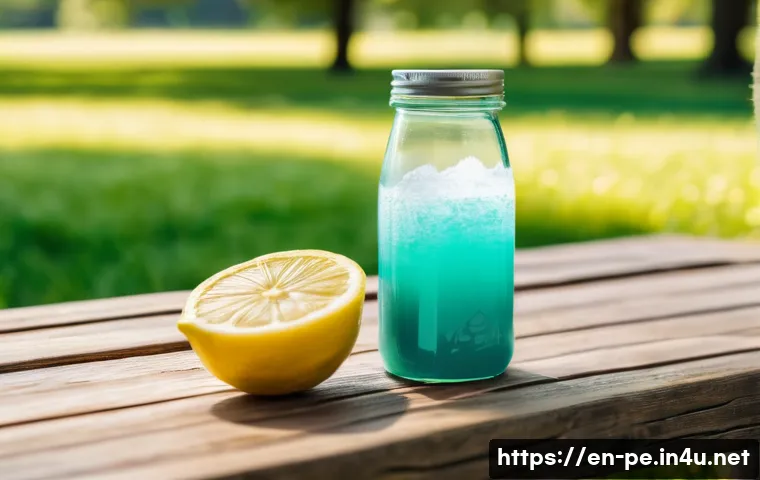
When you sweat, you lose these essential minerals, which can lead to cramps, fatigue, or worse if not replenished properly. Understanding how to maintain this balance can boost your performance and speed up recovery.
Curious about how it all works and what you should do? Let’s dive deeper and explore the science behind exercise and electrolyte balance!
How Electrolytes Influence Muscle and Nerve Functions
The Role of Sodium and Potassium in Muscle Contraction
Sodium and potassium are like the dynamic duo when it comes to muscle function. When your muscles contract, these electrolytes create electrical impulses by moving in and out of muscle cells, essentially triggering the contraction process.
Without proper levels, your muscles can feel weak or cramp up unexpectedly. I’ve noticed during intense workouts or long runs, if I don’t replenish sodium and potassium, cramps hit much faster and recovery takes longer.
It’s fascinating how such tiny charged particles have such a big impact on your body’s movement.
Magnesium’s Impact on Nerve Signal Transmission
Magnesium often flies under the radar but plays a critical role in calming nerves and regulating muscle relaxation after contraction. When magnesium levels drop, nerves become more excitable, which can cause twitching, spasms, or a feeling of restlessness in muscles.
Personally, I’ve experienced that jittery sensation during high-intensity workouts, and increasing magnesium intake really helped me regain control and reduce fatigue.
Magnesium essentially acts like the brake pedal for your nervous system, ensuring everything runs smoothly without overreacting.
Calcium’s Essential Part in Muscle Performance
Calcium works hand in hand with magnesium, but it’s mainly responsible for initiating muscle contraction. When calcium enters muscle cells, it triggers the fibers to shorten and generate force.
After contraction, magnesium helps relax those muscles. Imbalances in calcium can cause muscles to either become too tense or fail to contract properly.
From my experience, staying mindful of calcium sources in my diet, like dairy or leafy greens, has improved my muscle endurance and reduced cramping during prolonged exercise sessions.
Signs You’re Running Low on Electrolytes
Recognizing Early Symptoms of Electrolyte Imbalance
Before things get serious, your body sends subtle signals when electrolytes are running low. You might notice muscle cramps, especially in the calves or thighs, unusual fatigue, or even headaches.
I remember one summer training session when I ignored these early signs, thinking I just needed a break. But the cramps worsened, and I ended up cutting my workout short.
These symptoms are your body’s way of telling you to refuel those minerals pronto.
Severe Consequences of Ignoring Electrolyte Loss
If you push through without replenishing electrolytes, things can escalate quickly. Severe imbalances may cause dizziness, rapid heartbeat, confusion, or even heat stroke in extreme cases.
It’s not just about discomfort; it’s a real safety concern. During a hiking trip, I once underestimated my fluid and electrolyte needs, which left me lightheaded and shaky halfway through.
That experience taught me to always carry electrolyte-rich drinks or snacks whenever I’m active outdoors.
Why Hydration Alone Isn’t Enough
Many people think drinking water is the ultimate fix, but water without electrolytes can dilute your mineral levels further, worsening imbalances. I’ve learned that balancing hydration with electrolyte intake is key.
For example, after a sweaty gym session, I prefer electrolyte-infused beverages rather than plain water to speed up recovery and prevent that heavy, sluggish feeling.
It’s about quality hydration, not just quantity.
Choosing the Right Electrolyte Sources During Exercise
Natural Foods vs. Electrolyte Drinks
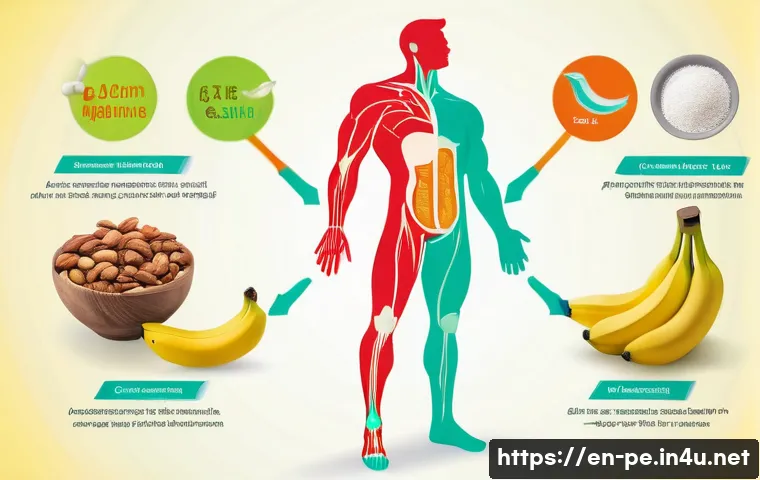
Natural foods like bananas, oranges, nuts, and leafy greens provide potassium, magnesium, and calcium in their most absorbable forms. I often snack on a banana before or after workouts because it’s easy, tasty, and packed with potassium.
On the other hand, electrolyte drinks are convenient during long or intense sessions, especially when sweating buckets. However, some commercial drinks contain excess sugar or artificial ingredients, so I always check labels or opt for cleaner brands.
Homemade Electrolyte Solutions That Work
Making your own electrolyte drink is surprisingly simple and effective. A mix of water, a pinch of sea salt, a squeeze of lemon or lime, and a little honey can replenish lost minerals and provide natural sugars for energy.
I’ve tried this many times, especially on hot days, and it beats store-bought options for both taste and effectiveness. Plus, you control the ingredients, avoiding unnecessary additives.
Timing Your Electrolyte Intake for Maximum Benefit
When you consume electrolytes matters as much as what you consume. Before exercise, topping off stores with foods rich in potassium and magnesium sets you up for success.
During long workouts, sipping electrolyte drinks helps maintain balance. Post-exercise, replenishing both fluids and minerals aids recovery and reduces muscle soreness.
I’ve found that spacing intake throughout the day rather than all at once keeps me energized and less prone to cramping.
How Sweat Rate and Environment Affect Electrolyte Needs
Understanding Individual Sweat Composition
Not everyone sweats the same way. Some people lose more sodium or potassium than others, which means electrolyte needs vary individually. I discovered that my sweat tastes noticeably salty, indicating higher sodium loss, so I focus more on replacing that mineral during workouts.
Knowing your sweat profile, which can sometimes be tested by sports clinics, helps tailor your hydration strategy perfectly.
Hot and Humid Conditions Increase Electrolyte Loss
Exercising in the heat ramps up sweating dramatically, leading to faster depletion of electrolytes. I recall running a marathon on a particularly hot day, and despite drinking plenty of water, I felt drained and cramped because I hadn’t replaced sodium adequately.
In such conditions, electrolyte replacement becomes critical not just for performance but also for safety, as heat-related illnesses are a real risk.
Cold Weather and Electrolyte Balance
Even in cooler temperatures, electrolyte balance matters. Cold air can suppress thirst, making it easy to underhydrate and neglect mineral intake. I’ve had winter hikes where I didn’t feel thirsty but still needed electrolyte-rich fluids to prevent muscle stiffness and fatigue.
The body’s demands change with the environment, so adjusting your hydration and electrolyte strategy accordingly is essential.
Comparing Key Electrolytes and Their Functions
| Electrolyte | Main Function | Common Food Sources | Symptoms of Deficiency |
|---|---|---|---|
| Sodium | Regulates fluid balance and nerve impulses | Table salt, processed foods, soy sauce | Muscle cramps, dizziness, fatigue |
| Potassium | Controls muscle contractions and heart rhythm | Bananas, potatoes, spinach | Weakness, irregular heartbeat, cramps |
| Magnesium | Relaxes muscles and supports nerve function | Nuts, seeds, leafy greens | Twitching, muscle spasms, fatigue |
| Calcium | Triggers muscle contractions and bone strength | Dairy products, broccoli, almonds | Muscle stiffness, spasms, numbness |
Optimizing Recovery Through Electrolyte Management
Replenishing Electrolytes After Intense Workouts
Post-workout recovery is the perfect time to restore electrolyte balance. I make it a habit to consume a balanced meal or snack that includes electrolytes along with protein and carbs to support muscle repair.
For example, a smoothie with spinach, banana, yogurt, and a pinch of salt hits all the right notes. This approach not only eases soreness but also prepares me for the next training session.
Electrolyte Balance and Sleep Quality
Interestingly, maintaining proper electrolyte levels can influence how well you sleep, which in turn affects recovery. Low magnesium, in particular, has been linked to restless nights and muscle cramps that wake you up.
On nights after heavy training, I’ve noticed that a magnesium supplement or magnesium-rich foods help me relax and improve sleep quality, making recovery feel more complete.
Hydration Strategies for Multi-Day Events
For endurance athletes tackling multi-day events, electrolyte management becomes even more complex. I’ve been part of a weekend cycling tour where proper electrolyte replacement was critical to sustain energy and prevent fatigue over consecutive days.
Planning ahead by packing electrolyte powders, snacks rich in minerals, and monitoring hydration closely can make all the difference between finishing strong or burning out early.
Common Myths and Misconceptions About Electrolytes
“More Electrolytes Always Means Better Performance”
It’s tempting to think that loading up on electrolytes will automatically boost your workout, but balance is key. Too much sodium or potassium can cause nausea, bloating, or even dangerous heart rhythms.
From my experience, moderation and listening to your body’s signals work far better than overconsumption. It’s about meeting your needs, not exceeding them.
“Plain Water Is Enough for Everyone”
While water is essential, it doesn’t replace lost electrolytes. I used to believe hydrating with water alone was sufficient until I faced muscle cramps and fatigue during long runs.
Adding electrolyte-rich fluids or snacks changed the game. Everyone’s sweat rate and electrolyte loss differ, so personalized hydration plans matter.
“Electrolyte Supplements Are Only for Elite Athletes”
This is far from true. Anyone who exercises regularly or spends time outdoors in the heat can benefit from electrolyte awareness. I recommend beginners and casual exercisers pay attention to their body’s signals and consider simple electrolyte replenishment strategies, especially in hot weather or during extended physical activity.
It’s about preventing issues before they start, not just fixing problems after they appear.
글을 마치며
Understanding how electrolytes influence muscle and nerve functions is crucial for maintaining peak physical performance and overall health. Proper electrolyte balance supports muscle contractions, nerve signaling, and recovery, helping prevent cramps and fatigue. By paying attention to your body’s signals and choosing the right hydration and nutrition strategies, you can enhance your workouts and daily activities. Remember, it’s all about balance and timing to keep your body functioning smoothly.
알아두면 쓸모 있는 정보
1. Electrolyte imbalances often start with subtle signs like muscle cramps or unusual tiredness, so early recognition can prevent more serious issues.
2. Drinking plain water alone during intense exercise can dilute electrolytes, making it essential to include mineral replenishment for effective hydration.
3. Natural foods such as bananas, nuts, and leafy greens provide highly absorbable electrolytes and are excellent for regular intake.
4. Homemade electrolyte drinks with simple ingredients like sea salt, lemon, and honey can be a healthier, cost-effective alternative to commercial options.
5. Environmental factors like heat, humidity, and individual sweat composition significantly influence your electrolyte needs and hydration strategy.
중요 사항 정리
Maintaining electrolyte balance is vital for muscle and nerve health, especially during physical activity. Recognize early signs of deficiency and avoid relying solely on water for hydration. Incorporate both natural foods and appropriate electrolyte drinks based on your activity level and environment. Timing your intake before, during, and after exercise optimizes performance and recovery. Always tailor your electrolyte strategy to your personal needs to stay energized and prevent cramps or fatigue.
Frequently Asked Questions (FAQ) 📖
Q: Why are electrolytes important during exercise?
A: Electrolytes like sodium, potassium, and magnesium play a key role in maintaining muscle function and nerve signals. When you exercise, you sweat and lose these minerals, which can lead to muscle cramps, weakness, or fatigue if not replaced.
Keeping your electrolyte levels balanced helps your muscles contract properly and keeps your nervous system firing efficiently, so you can perform better and recover faster.
Q: How can I tell if I have an electrolyte imbalance after working out?
A: Common signs of electrolyte imbalance include muscle cramps, dizziness, excessive fatigue, headaches, and even irregular heartbeat in severe cases. If you notice persistent muscle twitching or feel unusually tired despite rest, it could be a sign your electrolytes need replenishing.
Drinking water alone might not fix this, so including electrolyte-rich drinks or foods can make a big difference.
Q: What are the best ways to replenish electrolytes after exercise?
A: The easiest way is to consume beverages designed to restore electrolytes, such as sports drinks or electrolyte powders, especially after intense or prolonged workouts.
You can also eat foods rich in potassium (like bananas and sweet potatoes), magnesium (nuts and seeds), and sodium (a pinch of salt or salty snacks). Personally, I find that mixing natural sources with a hydration drink works best for sustained energy and faster recovery.